

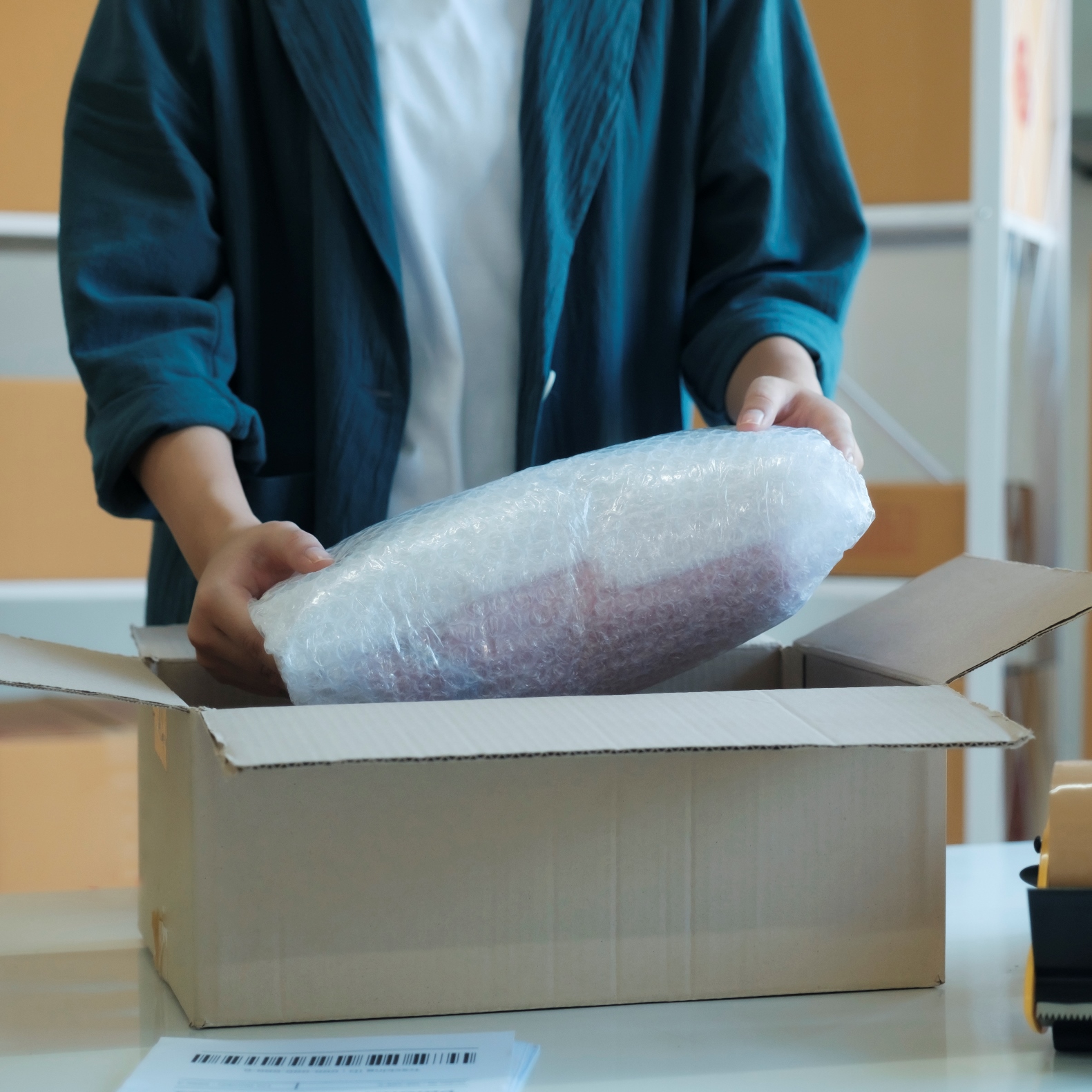
Moving house is stressful enough when you are dealing with clothes, furniture, and boxes of everyday belongings.
Artwork is different.
A painting, framed print, photograph, or sculpture can be surprisingly vulnerable during a move. Something may look sturdy while sitting safely on a wall, but once it is being carried through doorways, loaded into a vehicle, and moved over uneven roads, the risks increase.
A little preparation can make a big difference.
Artwork Needs More Than a Cardboard Box
One of the easiest mistakes is treating artwork like an ordinary household item.
A box and some packing paper might be perfectly adequate for books or kitchen equipment. Artwork often needs more protection, particularly if it has a delicate frame, glass front, textured surface, or unusual shape.
The first step is to understand what you are actually packing.
A canvas painting does not necessarily need the same treatment as a framed photograph. A sculpture may require completely different protection.
There is no universal packing method.
Start With a Careful Inspection
Before wrapping anything, take a few minutes to inspect the artwork.
Check the frame, corners, glass, backing, and surface. Look for existing scratches, cracks, or loose sections. Taking photographs before packing can also be useful, particularly for valuable pieces.
Why? If something appears different after the move, you have a record of its original condition. It also helps you identify weak points that need extra attention. A loose frame corner, for example, may become a much bigger problem once the piece is being moved around.
Protect the Surface First
The visible surface is usually the part people worry about most, and for good reason.
Paintings and prints can be damaged by scratches, pressure, and moisture. Avoid placing rough materials directly against delicate surfaces. Protective tissue or suitable wrapping materials can create a barrier between the artwork and the rest of the packing.
Glass-covered pieces need particular care. A layer of protection can help prevent scratches, while sturdy outer packaging reduces the chance of direct impact.
Do not rush this stage. Fixing damage is considerably harder than preventing it.
Corners Deserve Extra Attention
Corners are often the first areas to suffer during a move. They catch against doorways. They hit the side of vehicles. They get knocked when boxes are placed down.
For framed artwork, reinforced corner protection can help absorb some of that impact.
The same principle applies to other delicate household projects. Having the right equipment nearby can make physical work easier, whether you are assembling protective frames, preparing storage areas, or handling general DIY jobs. Some people choose second hand DIY tools for these occasional tasks, particularly when they want useful equipment without buying everything new.
The important thing is using tools safely and choosing the right one for the job.
Do Not Forget the Packing Materials
Good packing is not simply about finding the biggest box available.
The outer container should be strong enough to support the artwork without collapsing or bending. There should also be enough protective material around the piece to prevent it from moving freely inside.
Too little padding leaves the artwork vulnerable. Too much pressure can create a different problem.
The aim is to keep the artwork secure without squeezing it.
For larger or particularly valuable pieces, purpose-built art crates may be worth considering. These offer a more robust layer of protection than standard moving boxes.
Think About the Journey
Packing is only one part of the process. You also need to think about how the artwork will be transported.
Will it be carried upstairs? Is it going into a small van? Will it spend several hours on the road? Is there a chance it will be exposed to rain while being loaded?
These details matter.
A beautifully packed painting can still be damaged if it is placed underneath heavy furniture or left somewhere unstable.
Artwork should be positioned securely and kept away from items that could fall onto it.
Temperature and Moisture Can Matter
Some artwork is sensitive to changes in temperature and humidity.
This is particularly relevant when transporting pieces over long distances or storing them temporarily. Leaving artwork in a hot vehicle for an extended period is not ideal, and moisture can create problems for paper, canvas, wood, and other materials.
Whenever possible, keep the environment reasonably stable. If the weather is poor, plan the loading and unloading process rather than leaving delicate pieces exposed outside.
It sounds obvious. Yet rushed moves often lead to exactly these kinds of oversights.
Give Yourself Enough Time
Perhaps the biggest packing mistake is starting too late. When people are surrounded by half-packed boxes and a moving deadline, careful preparation becomes much harder.
Artwork should ideally be packed before the final rush.
Give yourself time to inspect each piece, gather appropriate materials, and work out how it will be carried. Larger pieces may also require two people to move safely.
There is no prize for doing it quickly.
A Little Care Goes a Long Way
Artwork can have financial value, sentimental value, or both.
A painting inherited from a relative might be irreplaceable even if it is not particularly expensive. A framed photograph may have memories attached to it that cannot be replaced with another print.
That is why proper packing matters. It is not simply about protecting an object. It is about protecting something that has meaning.
Take your time. Use suitable materials. Protect vulnerable areas and think about the entire journey, not just the moment when the artwork goes into a box.
A careful move may take a little longer.
That is usually a small price to pay for seeing your artwork arrive safely at its new home.