


The crate comes back from a long stay in a garage or basement, and everything looks fine until the frame is lifted out. A fine line of pale dust sits along the bottom rail. Pinprick holes run through the backing board. The edge of a watercolor has a lacy, scalloped bite where silverfish graze on the sizing. None of this happened in a day. It built up over months while the crate sat unopened.
Most pest damage to art starts in storage or in transit, when a collection is packed, moved, and set aside. Paintings, works on paper, textiles, and wooden frames all contain things insects eat or nest in: cellulose, glue, wool, silk, starch paste, and untreated timber. A piece can leave a gallery wall in perfect condition and arrive months later carrying an infestation it picked up along the way.
So, the room where art waits matters as much as the crate around it. If works are coming home from an exhibition or going into a closet, attic, or spare room for the season, have that space checked first. The pest control experts at Pest Services Company can inspect for termites in wall cavities, carpet beetles in rugs and closets, and the moisture problems that draw silverfish, before a single frame goes in.
How pests quietly damage artwork
Each pest leaves its own signature. Furniture beetles and woodworm bore through stretcher bars and carved frames, leaving round exit holes and fine powdery frass. Carpet beetle larvae feed on wool, felt, feathers, and silk, which puts tapestries and mixed-media pieces at high risk. Silverfish and booklice graze on paper, glue, and mold. That is why prints and drawings usually show surface loss first.
Rodents work differently. They shred packing materials for nests, chew through cardboard, and leave urine stains that are close to impossible to remove from canvas or paper.
Almost all of these pests want dark, still, undisturbed spaces. A crate in a quiet corner is exactly that.
Why packed and crated works are vulnerable
Packing makes art easier to move and harder to watch. Once a painting is wrapped and crated, nobody sees its surface until it is unpacked, a week later or a year later. Any insect sealed in with it has that whole stretch to feed and breed.
The materials add risk. Corrugated cardboard gives silverfish and cockroaches both food and shelter. Untreated wood can carry beetle larvae. Bubble wrap placed directly against a surface can trap moisture, creating conditions for mold growth and attracting insects that feed on it. A storage unit that swings from cold in winter to humid in summer runs that cycle every year.
Then there is transit. Works passing through loading docks, warehouses, and temporary venues can pick up insects riding on crate exteriors, pallets, or blankets.
Building pest prevention into your storage and crating checklist
Museums handle this through integrated pest management, or IPM, and the same logic works for a private collection: prevent and observe first, and treat only confirmed problems. The main components break down like this, based on recent guidance and museum research
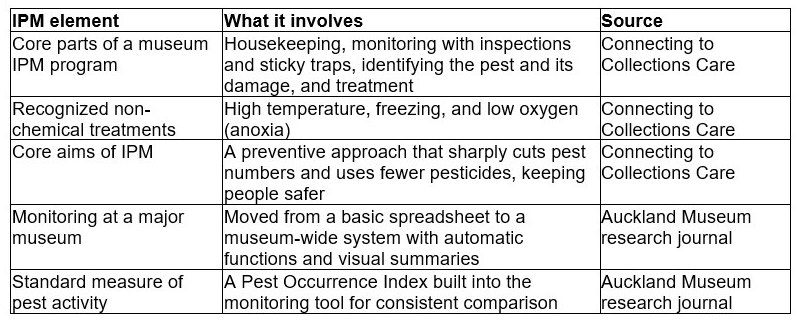
For a collector preparing works for storage or shipping, those principles come down to a short routine:
- Inspect every object, frame back, and stretcher bar under bright light before packing, looking for frass, holes, webbing, or shed larval skins.
- Vacuum frame backs and crate interiors with a soft brush attachment so food debris and eggs are not sealed in.
- Build crates from kiln-dried or heat-treated lumber, and use archival boxes and acid-free materials wherever possible.
- Keep wrapped works off the floor and away from exterior walls, the routes most crawling insects use.
- Hold storage at a steady temperature with relative humidity between 40 and 55 percent, since stable, drier air discourages mold and silverfish.
Home storage usually fails depending on climate. A professional facility with constant conditions, sealed rooms, and routine housekeeping removes most of the variables that let pests settle in, which is the main reason serious collectors choose climate-controlled art storage over a rented self-storage unit.
Monitoring, treatment, and knowing when to call for help
Sticky traps are cheap and tell you a lot. Place them along walls, near doors, and beside stored crates, date each one, and check them monthly. One beetle a season is background noise. Several in the same spot across two checks means something is breeding nearby.
Institutions are tightening their methods. According to Papahou: Records of the Auckland Museum, one major museum moved its pest monitoring from a basic spreadsheet to a museum-wide system that uses standard measures to analyze pest activity and support preventive conservation. You don't need software at home. A simple log of trap locations, dates and counts works on the same principle and makes trends easy to spot.
If you find live insects on an object, keep it away from the rest of the collection. Do not spray it. Household insecticides can stain paper, react with pigments, and leave residue on varnish. A conservator can tell you whether freezing, controlled heat, or anoxia suits the materials because a painted panel and a wool textile tolerate very different treatments.
The building is a separate job. If traps keep filling or you find termite tubes, droppings, or nesting material, have a licensed pest control technician treat the structure while the art is elsewhere. Then set out fresh traps and leave the room alone for a few weeks. Bring the work back only after two monthly checks in a row come up clean.