

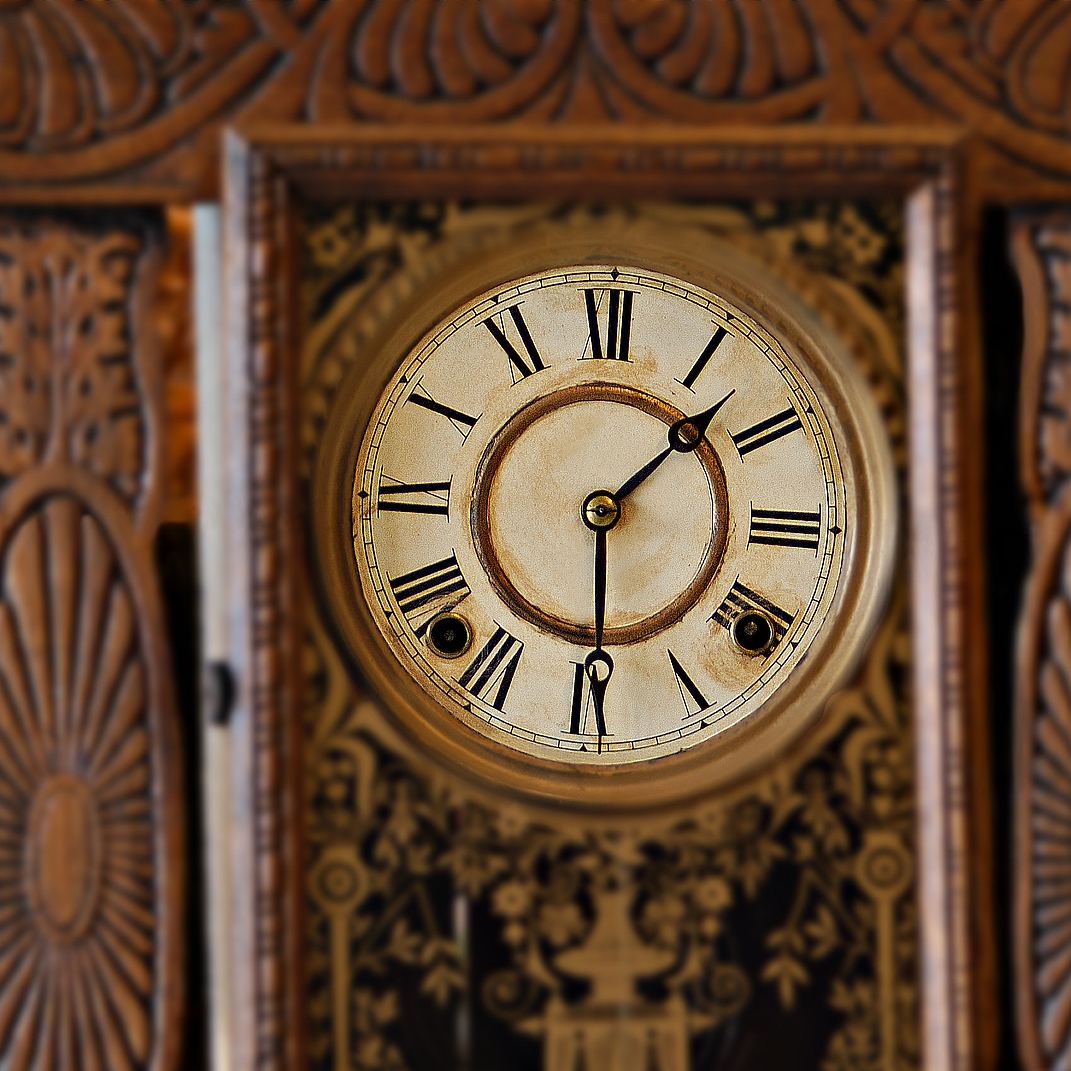
Imagine a New Yorker who inherits their grandfather’s bracket clock from his Paris apartment. It is a Napoleon III piece dating to around 1860. Its ebonized case features Boulle marquetry, with brass scrolls set into red-backed tortoiseshell. The clock has an enamel dial and has stood on the same mantelpiece for decades, but transporting inherited artwork like this involves hurdles beyond packing.
Transportation Hurdle: CITES Restrictions
If the marquetry is genuine tortoiseshell, it may contain material from the hawksbill sea turtle, a species listed in CITES Appendix I. The four small finials are said to be elephant ivory, another highly regulated material. Both can trigger wildlife-trade controls, even in an inherited antique.
Moving the clock from France to the United States is not automatically exempt because it is an inheritance. The relevant CITES export or re-export documents may be required. EU guidance recognizes an exception for an heirloom moved as part of a family relocation, but the owner must establish its legal origin and obtain the documents required by French authorities. Commercial re-export restrictions should not be confused with the rules for a genuine family move.
Paper Trail for Transporting Inherited Artwork
Documentation is central to transporting inherited artwork containing protected materials. The owner should gather the probate inventory, dated family photographs, receipts or insurance records, and maker's marks, if present. A qualified specialist can assess its age and materials. Evidence should establish when the clock and protected components were made and acquired.
U.S. Import Requirements
The U.S. Endangered Species Act has an antiques exception for qualifying objects at least 100 years old, not repaired or modified with protected species material after December 28, 1973, and entered through a designated antique port. New York is one of the 13 designated ports. However, this ESA exception does not remove separate CITES requirements, which may include an import permit for Appendix I specimens. The importer should confirm requirements with the U.S. Fish and Wildlife Service before shipping.
Importance of Specialist Packing
Once the paperwork is cleared, the clock needs careful preparation. A horologist or an art handler should remove and protect the pendulum and secure vulnerable components. Detachable parts should be wrapped and labelled separately, while the case needs cushioning that will not abrade delicate surfaces.
When to Say ‘No’
Sometimes, the safest option is to keep the clock in France. If its age, provenance, or materials cannot be established, or the required permits cannot be obtained, the heir may consider professional storage, a family loan within France or another EU country, or a local sale in compliance with applicable rules.