

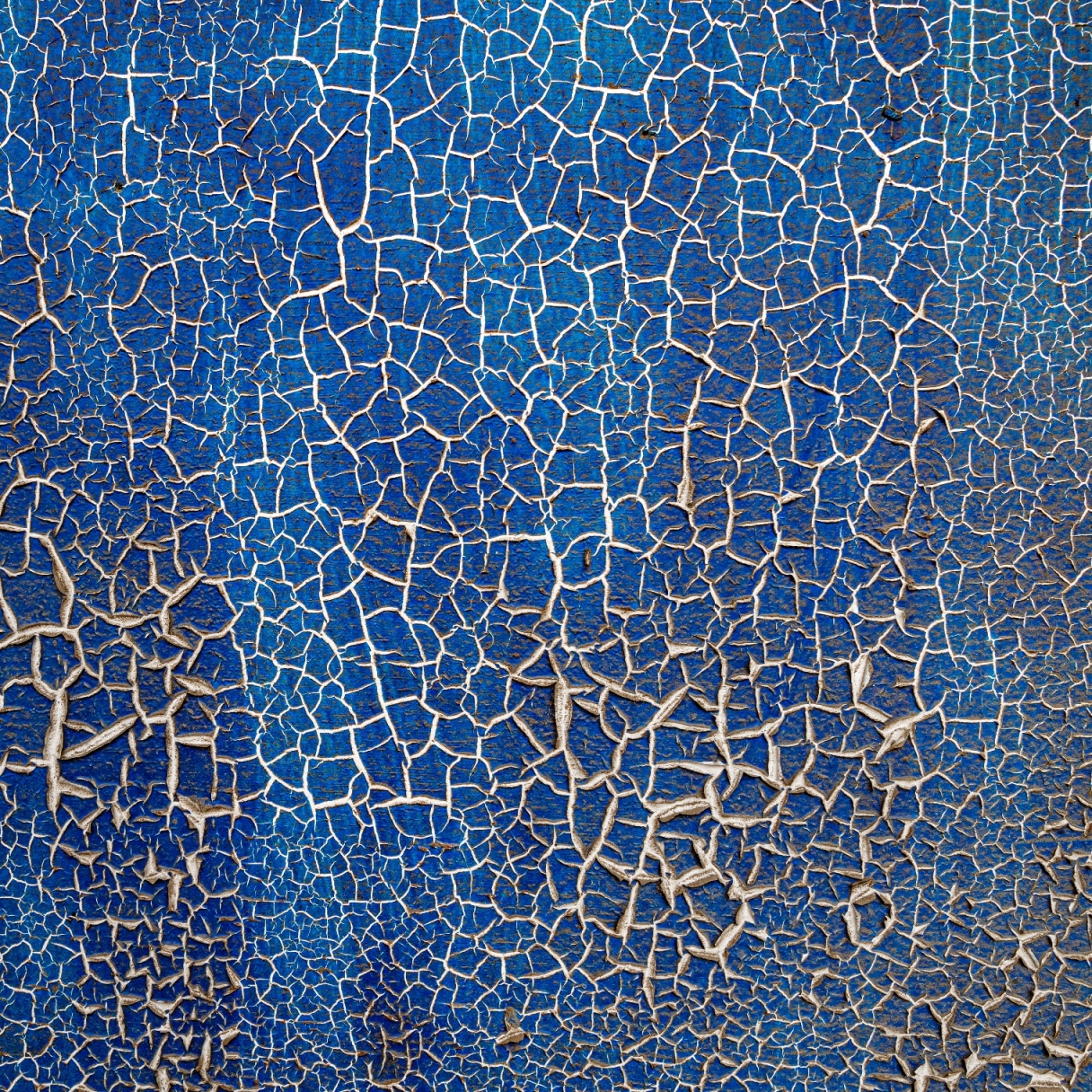
Collectors often assume that cracked paint is simply the result of rough handling during transit. In reality, the answer to why paintings crack during transport is far more complex. Cracking usually develops through a combination of environmental changes, material behavior, and mechanical stress rather than a single impact. Understanding these factors is the first step toward protecting valuable artwork during transportation.
Why Paintings Crack During Transport
A Painting Is a Multi-Layered Structure
To understand why paintings crack during shipping, it helps to look beneath the surface. A painting consists of several layers: the support (canvas or wood panel), ground, multiple paint layers, and a protective varnish. Each material reacts differently to changes in temperature and humidity.
As environmental conditions fluctuate, these layers expand and contract at different rates. Because they are firmly bonded together, they cannot move independently. Internal stress gradually builds until the paint film can no longer withstand the pressure, eventually producing visible cracks. By the time craquelure appears, the damage has often been developing for some time.
Temperature and Humidity Fluctuations
Contrary to popular belief, sudden environmental changes are often more harmful than consistently high or low temperatures. One of the primary reasons why paintings crack is repeated cycling between different climates during loading, unloading, customs inspections, and storage.
Modern paintings introduce additional challenges because many contemporary materials contain synthetic polymers. These materials become significantly more rigid below their glass transition temperature, making painted surfaces increasingly vulnerable to vibration and accidental impact. Even relatively small environmental shifts can reduce the flexibility of the paint film and increase the likelihood of cracking.
Vibration and Resonance During Transit
Transportation inevitably exposes artwork to continuous vibration from trucks, aircraft, and handling equipment. When a painting is not properly secured inside its crate, repeated low-frequency vibrations can create resonance, amplifying mechanical stress throughout the artwork.
Professional museum-grade crating systems are specifically designed to isolate paintings from these vibrations. Without proper cushioning and support, however, shock energy transfers directly into the paint layers, increasing the risk of structural damage over long-distance transport.
Older Paintings Require Extra Protection
Historical paintings are particularly susceptible to cracking because oil paint continues to age and harden for decades or even centuries. Wooden panels also remain responsive to humidity throughout their lifetime, while increasingly brittle paint loses its ability to accommodate movement.
Understanding why paintings crack during transport allows collectors to take preventive measures before transportation begins. Stable environmental conditions, professional custom crating, careful handling, and specialized fine art logistics all work together to minimize stress on delicate paint layers. With the right preparation, many of the most common causes of cracking can be effectively reduced, helping preserve valuable works of art for future generations.