

Freight rates, tariffs, capacity constraints, and changing customer demand can all affect logistics costs. Although operators cannot control every external pressure, they can improve how work moves through their own warehouses, terminals, offices, and transportation networks.
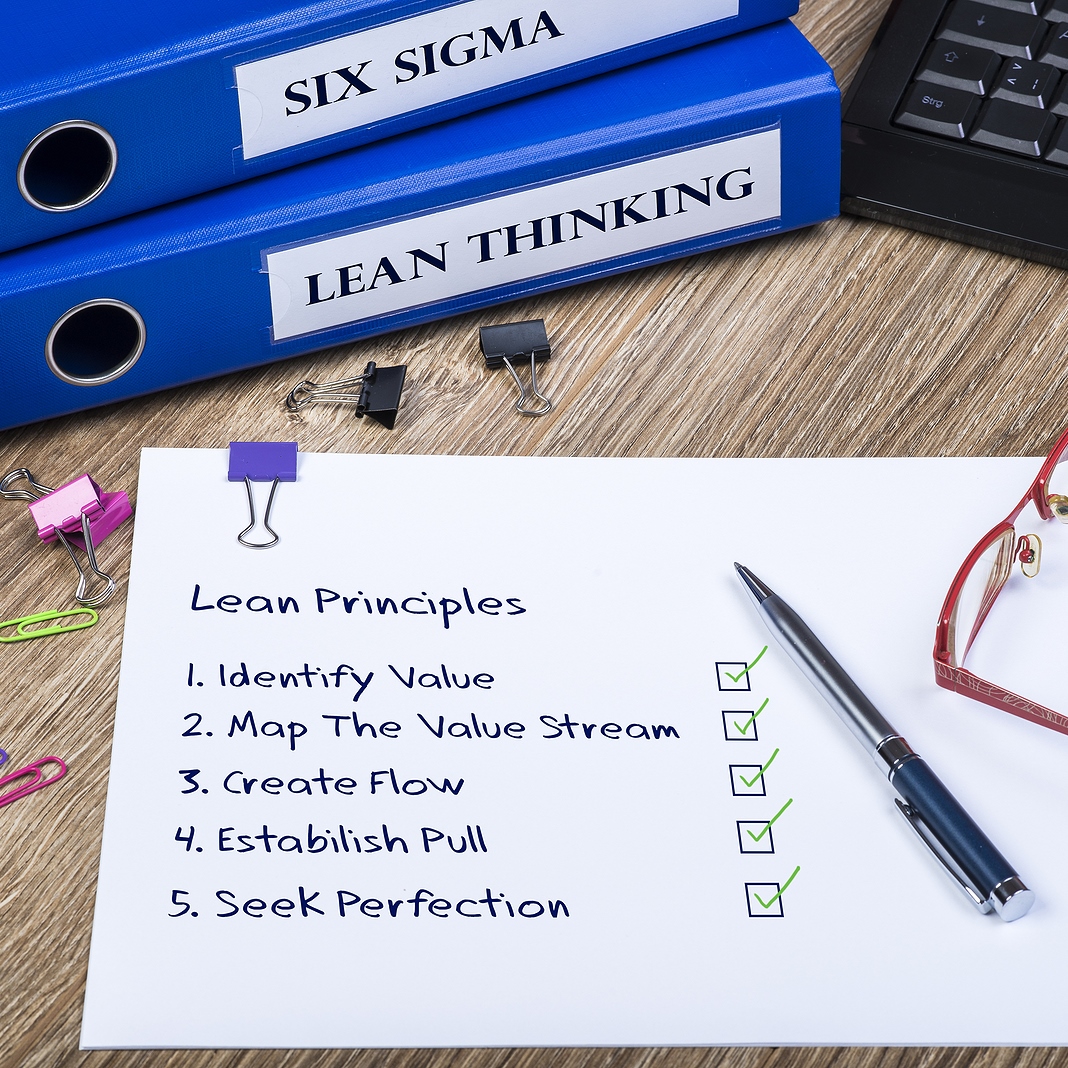
This is one reason Lean Six Sigma has become increasingly relevant to logistics and supply chain operations. Originally associated with manufacturing, the methodology provides a practical way to identify delays, reduce errors, and make everyday processes more consistent.
For logistics businesses working with narrow margins, even modest improvements in handling time, documentation accuracy, or equipment use can have a meaningful operational impact.
What Lean Six Sigma Means in Logistics
Lean and Six Sigma address different but closely related problems.
Lean focuses on removing activities that use time or resources without creating value. In logistics, this could include unnecessary product movement, repeated data entry, excessive inventory, avoidable waiting time, or poorly designed warehouse routes.
Six Sigma focuses on reducing variation and defects. Relevant examples include inconsistent order-processing times, inaccurate shipment records, inventory discrepancies, missed delivery windows, and differences in how teams complete the same task.
Together, the two approaches help operators understand how a process currently works, why problems occur, and which changes are most likely to improve it.
A typical project may begin with value stream mapping. This involves following a shipment, document, or operational decision from beginning to end. The purpose is to see the entire process rather than evaluate each department in isolation.
This exercise can reveal issues such as:
- Customs documents waiting too long for approval.
- Warehouse employees following inefficient picking routes.
- Planners and floor teams working with different information.
- Shipment details being entered into multiple systems.
- Trucks waiting because loading areas are not properly coordinated.
- Repeated handoffs that create delays without improving control.
These problems often become accepted as part of normal operations. Mapping the process makes them easier to see, measure, and address.
Where the Approach Can Make a Difference
Lean Six Sigma can be applied across several parts of the trade and transportation industry. Third-party logistics providers may use it to reduce order fulfilment times, improve inventory accuracy, or standardize onboarding for new customers. These improvements can help a 3PL provide more consistent service while controlling the cost of meeting contractual requirements.
Warehouse operators can examine picking routes, replenishment practices, loading procedures, and shift handovers. Reducing unnecessary travel inside a facility can improve productivity without requiring a larger workforce or additional floor space.
Freight forwarders may focus on the time between receiving a booking and completing the necessary documentation. A structured review can show whether delays come from missing customer information, unclear responsibilities, or duplicated approval steps.
Ports and terminals can apply the same principles to gate transactions, yard movements, equipment use, and vessel turnaround procedures. Air cargo operators may use them to improve cargo acceptance, build-up, breakdown, and release processes.
The application varies, but every effective project needs a reliable baseline. Teams must know how long a process currently takes, how often errors occur, and where costs are generated before they can judge whether a change has worked.
Building Improvement Skills Within the Business
Lean Six Sigma is most useful when employees understand how to apply it to actual operational problems. Training is commonly organized through belt levels, including Yellow Belt, Green Belt, and Black Belt programs.
However, certification alone does not guarantee better performance. Logistics teams tend to gain more value when training is connected to a live project, such as reducing dispatch delays or improving stock accuracy.
A participant who has mapped a real process, collected operational data, tested a change, and monitored the result is better prepared to lead future improvements. This experience is particularly important in logistics because most operations cannot simply stop while a new process is designed.
Businesses that need additional support may work with Lean Six Sigma consulting specialists to develop internal capability around genuine operational priorities. The aim should be to leave employees with repeatable problem-solving skills, not simply add another qualification to their records.
Common Challenges to Avoid
Lean Six Sigma projects can lose momentum when their scope is too broad or when the people doing the work are excluded from the process.
A project described as “improving the warehouse” is difficult to measure. A more useful goal would be reducing the average time required to pick and stage a defined category of orders.
Data quality is another common issue. If timestamps, inventory records, or exception codes are incomplete, teams may draw the wrong conclusions. Improving how operational data is collected may therefore need to happen before the main project begins.
Changes also need clear ownership. Updated procedures can quickly disappear if supervisors do not monitor them or employees are not given the tools and training needed to follow them.
A Practical Response to External Pressure
Lean Six Sigma cannot remove tariffs, prevent port congestion, or stabilize freight rates. What it can do is help logistics operators understand their internal costs and respond to disruption more deliberately.
An operator with accurate process data can identify where capacity is being lost, determine which delays are preventable, and assess whether additional spending is necessary. That creates more options than automatically adding labor, expanding facilities, or passing every cost increase on to customers.
For trade and transportation businesses, the main value of Lean Six Sigma is not the terminology or certification structure. It is the ability to solve recurring operational problems using evidence, measurable changes, and processes that remain effective after the initial project ends.