


Your grandmother's china arrives in pieces. An antique mirror cracks during loading. A vintage dresser loses its original hardware somewhere between cities. These disasters share one thing in common. Someone handled your valuables incorrectly.
Moving expensive possessions takes real skill. You need the right equipment and knowledge. Standard moving methods often fail when dealing with delicate or valuable items. Poor handling can destroy things that money cannot replace.
Identifying Your High-Value Possessions
People usually think of paintings and jewelry first. But your home likely contains far more valuable items than you realize. Proper identification helps you protect what really needs expert care during a move.
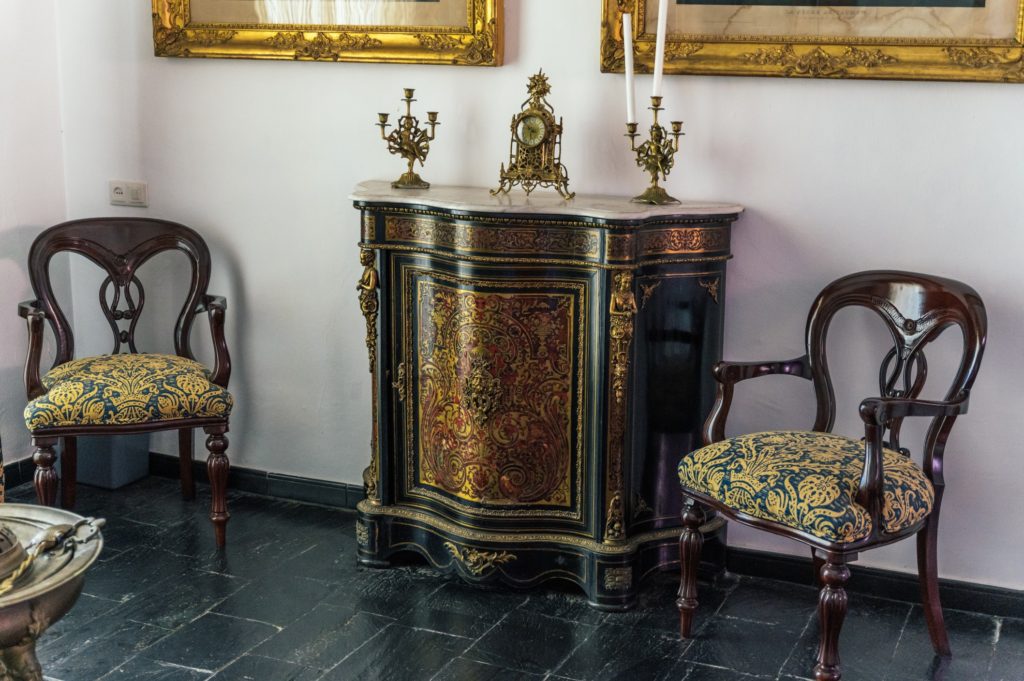
Antique furniture deserves special attention. Pieces from the 1700s and 1800s feature joinery you cannot find today. Original finishes and period hardware make these items irreplaceable. The wood itself behaves differently from modern materials. Families moving to Northern Virginia often learn this lesson after damage occurs. These pieces need custom protection from the start.
Art and collectibles top the list for obvious reasons. Oil paintings crack when temperatures shift. Watercolors fade from direct sunlight. Sculptures break from vibration alone. Even framed prints often need climate control during transport. Galleries ship art a certain way for good reasons.
Musical instruments require careful handling, too. A piano holds thousands of moving parts. Each one needs to stay aligned perfectly. Guitars warp in humid conditions. Drum kits lose tuning from rough handling. These items cost thousands to repair when damaged.
Your electronics fall into this category as well. Custom gaming PCs contain expensive components. Home theater systems need careful calibration. Large televisions crack easily during moves. Professional equipment for photography or music production demands extra protection.
Common Damage from Poor Handling
Temperature swings destroy more items than most people expect. Wood splits when the humidity drops fast. Paint cracks on canvases exposed to heat. Veneer peels away from antique surfaces. These problems happen in regular moving trucks without climate control.
Physical damage shows up immediately. Dropped boxes break the contents inside. Bumped corners chip furniture finishes. Shifting loads during transport creates pressure that cracks frames. Regular cardboard provides almost no protection against these forces.
Bad packing creates problems from the inside out. Too much padding pushes on weak points. Too little lets items bang around. Wrong materials react with surfaces and leave marks. Most damage happens before the truck even moves.
Insurance rarely covers what you actually lose. The Federal Motor Carrier Safety Administration sets minimum coverage at 60 cents per pound. Your $8,000 antique, weighing 40 pounds, gets you $24. That amount fixes nothing. Full replacement coverage costs extra but saves you from financial disaster.
What Professional Services Include
The right equipment changes everything for valuable items. Here are the tools that separate real professionals from regular movers:
- Custom wooden crates built for individual pieces
- Climate-controlled trucks that maintain a steady temperature
- Hydraulic lift gates that prevent jarring drops
- Specialty padding designed for different materials
- Suspension systems that absorb road vibration
Training separates amateurs from experts. Professional crews learn how to lift properly. They understand balance points and weight distribution. They know which materials need what protection. This knowledge prevents the mistakes that cause most damage.
Real insurance protection gives you peace of mind. Full value coverage replaces damaged items at current market prices. Companies carry liability insurance to back their promises. Documentation creates proof of condition before and after. This paperwork becomes critical if something goes wrong.
Good movers plan before they pack. They assess each item individually. They spot potential problems early. They arrange the right resources ahead of time. This preparation prevents surprises on moving day.
Choosing Your Moving Company
Check licensing first before anything else. Interstate movers need a DOT number. State requirements vary, but most demand specific permits. Verify these credentials exist. Never hire anyone without proper licensing.
Experience with your item types really counts. Ask how many pianos they move yearly. Find out if they handle fine art regularly. Request references from similar moves. Companies build expertise over time in specific areas.
Review insurance terms carefully before signing anything. The Appraisers Association of America recommends getting clear coverage details upfront. Know your coverage amounts exactly. Understand which situations trigger claims. Get deductible amounts in writing. Learn the claims timeline upfront. These details prevent confusion later.
Visit their facility if you can. Look at truck conditions closely. Check their padding and equipment quality. Ask about specialized tools for fragile items. Companies that invest in gear usually care about results.
Getting Items Ready to Move
Documentation protects you throughout the whole process. Professional preparation involves several steps that most people skip:
- Take photos from every angle
- Write down existing scratches or chips
- List estimated values for each piece
- Store all records in one safe place
- Share documentation with your moving company
These records prove the condition in case disputes arise. They also help with insurance claims later.
Get appraisals done early for expensive pieces. Certified appraisers provide documentation that insurers accept. Schedule these appointments months before moving day. The process takes longer than most people think. Many policies require recent appraisals anyway.
The weather affects how you pack different items. Summer heat demands extra protection for temperature-sensitive pieces. Winter cold makes some materials brittle. Plan your move during mild weather if possible. If not, discuss climate control options with your mover.
Let professionals decide about taking things apart. Some furniture travels better disassembled. Other pieces lose strength when you separate joints. Antiques especially need expert opinions here. Never take apart valuable items without guidance. You might cause damage trying to prevent it.
Why Good Moving Services Pay Off
Professional movers cost more upfront. But they save you money long term. One broken heirloom costs more than the difference in moving quotes. Cheap services create expensive problems.
Start planning at least three months out. Get quotes from multiple companies. Check their credentials thoroughly. Read reviews from past customers. Ask detailed questions about their process. This research time prevents regret later.
Your valuable possessions mean more than their price tags. They hold family history and personal memories. No insurance check replaces these things once damaged. Proper moving services protect what cannot be replaced. Spending more now prevents heartbreak later when your treasured items arrive safe and intact.