

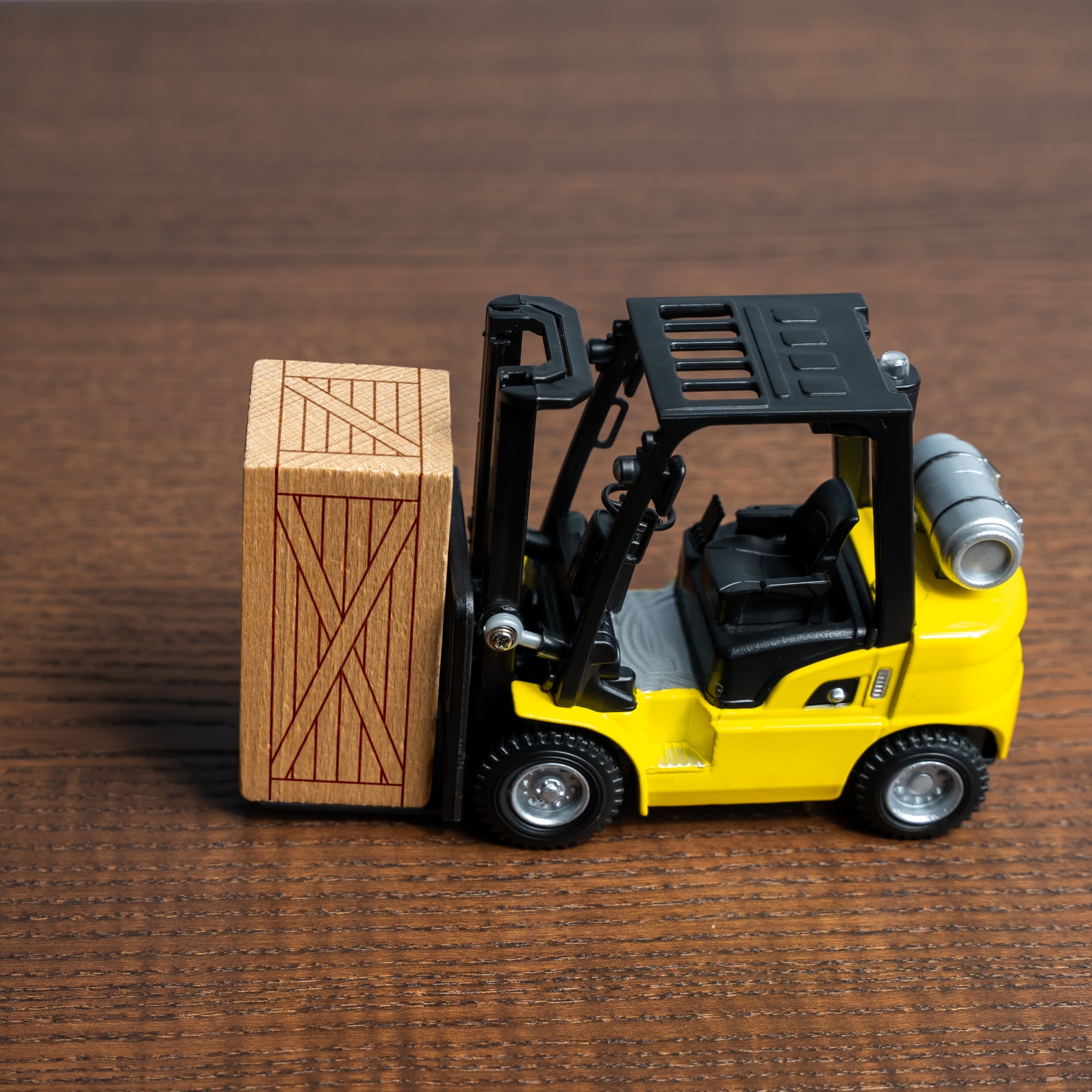
A wooden crate can protect a painting or sculpture during transport, but moving the crate still needs careful planning. Before it leaves a gallery, studio, or storage facility, the team should confirm its weight, lifting points, handling instructions, and route. The receiving location needs to be ready too.
Consider a sculpture packed for an exhibition. Its crate may fit through the gallery entrance, yet leave too little room to turn in the corridor beyond it. Discovering that while the load is already moving creates a problem that a simple access check could have caught.
For galleries, collectors, and exhibition teams, these checks belong in the planning stage.
Start with the artwork and its packing requirements
Crating decisions should reflect the object’s condition, fragility, dimensions, and journey. A rigid outer shell is only one part of the protection. The internal supports need to hold the artwork appropriately without putting pressure on delicate surfaces or projecting details.
Understanding how crates for artwork are used in transport can help collectors discuss those requirements with their handlers before packing begins.
Ask for clear instructions on the crate’s required orientation and approved lifting points. A box that looks sturdy from the outside should never be treated as permission to lift it from any convenient edge.
Check the total load and the lifting arrangement
Equipment selection needs to account for the artwork, crate, internal packing, and pallet or supporting base. The artwork’s weight alone is not the weight being moved.
For crates secured to suitable pallets, pallet jacks and pallet trucks can be an option for movement across an appropriate floor. Selection depends on load capacity, fork dimensions, pallet access, and the operating environment.
Compatibility deserves particular attention with custom crates. A base may have openings for lifting equipment, but the handlers still need to confirm that the chosen forks fit and support the load as intended.
A tall or unevenly weighted crate also needs a stability assessment. Having enough lifting capacity does not, by itself, establish that the equipment is suitable for the move.
Walk the route before the crate moves
Check the route as it exists on moving day. Measure doorways, review turning space, and identify thresholds, uneven flooring, or temporary obstructions. Prepare the destination before setting off, so the team has somewhere suitable to place the crate.
In a working gallery, that might mean moving display furniture, arranging access through a normally locked door, or scheduling delivery before visitors arrive.
Stairs, slopes, and changes in floor level require their own handling plan. Do not assume that equipment selected for a level storage room will work throughout the building.
Make handling instructions easy to follow
The people receiving the crate may not be the people who packed it. Useful instructions should travel with the shipment and explain orientation, approved handling methods, and any special unpacking requirements.
An artwork reference or inventory number helps the receiving team match the crate to its paperwork. Keep condition records and photographs accessible to the people responsible for checking the work.
A professional artwork crating checklist is a useful prompt for discussing packing and labelling details before the crate is closed.
Plan the handover as carefully as the departure
Confirm access, equipment, and responsibilities with the receiving venue. Who will meet the shipment? Where will the crate wait? Who is authorized to open it and check the artwork?
These questions matter when an exhibition has several deliveries arriving together. A designated receiving space and an agreed sequence can prevent a crate from being moved repeatedly while someone decides where it belongs.
If the object’s condition, weight, or shape makes handling uncertain, involve experienced art handlers and, where appropriate, a conservator before the move. A general checklist can organize the questions, but the handling method must suit the individual artwork.