

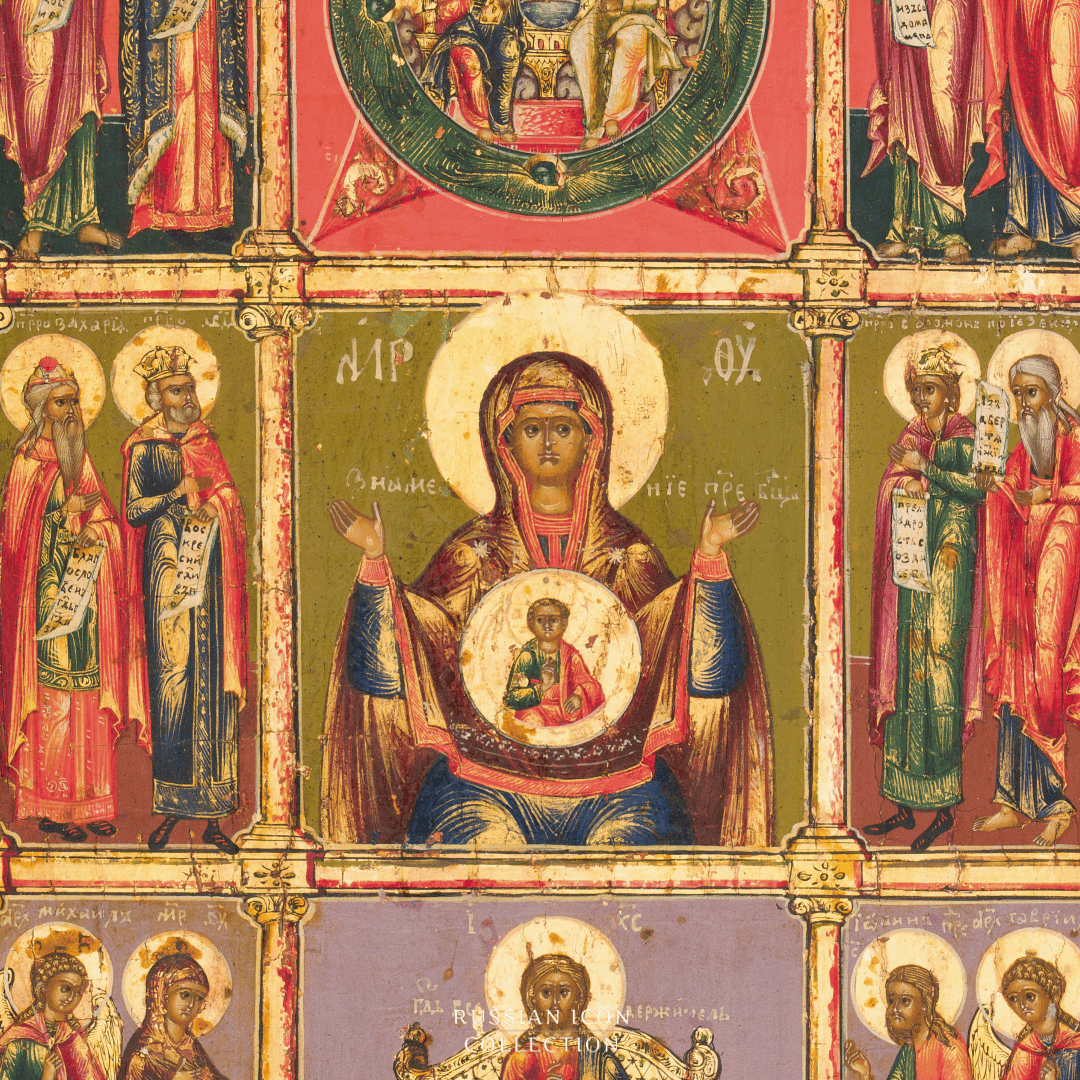
Enjoying art at a museum or gallery is usually an act of quiet contemplation from a respectful distance. Sacred art collections, however, preserve works that were never created for this kind of viewing. Icons were traditionally kissed by worshippers, reliquaries were carried in religious processions, and altarpieces were illuminated by candlelight during church services. Exploring some of the world’s most remarkable religious art collections helps us better understand their unique artistic, historical, and spiritual significance.
How Sacred Art Differs
The core artistic value of secular art has long been originality. Artists signed their works, developed distinctive styles, and gained recognition for creating new themes and compositions. Sacred art followed a different philosophy. Icon painters often remained anonymous, and the value of an icon was measured not by innovation but by its faithfulness to established religious traditions and iconographic conventions.
The purpose of sacred art was to preserve the likeness of revered prototypes rather than reinvent them. In many traditions, departing from accepted visual models was viewed as an error instead of an artistic achievement. This emphasis on continuity has allowed many sacred artworks to preserve centuries-old artistic techniques and spiritual symbolism.
Significant Sacred Art Collections
Several museums and religious institutions preserve some of the world's most important sacred art, offering an extraordinary look into the history of faith and artistic craftsmanship.
The Vatican Museums Collection
The origins of the Vatican Museums date back to 1506, when Pope Julius II acquired the famous Laocoön sculpture. Today, the Museums house one of the world's richest collections of religious and historical art, including Egyptian antiquities, Raphael’s tapestry designs, and Caravaggio’s Entombment.
The Monastery of Saint Catherine
Located at the foot of Mount Sinai, the Monastery of Saint Catherine escaped the destruction of Byzantine iconoclasm, allowing it to preserve one of the oldest surviving collections of Christian icons. Its 6th-century encaustic panels remain among the earliest known examples of Christian painting. The monastery also safeguards a manuscript library second only to the Vatican’s collection of sacred texts.
The Treasury of San Marco
Many masterpieces in the Treasury of San Marco arrived in Venice after the sack of Constantinople in 1204. The collection features exceptional liturgical objects made of hardstone, rock crystal, enamel, and precious metals, representing a remarkable artistic legacy with few surviving parallels.
Internationally Significant Themed Collections
Alongside world-famous museum holdings, private sacred art collections continue to preserve important religious heritage. One notable example is the collection assembled by Oleg Kushnirskiy, mostly dedicated to the tradition of Old Believer iconography. Featuring rare Russian icons and religious artifacts, the collection has been exhibited in museums across the United States. Its artistic and historical value is also documented in a comprehensive icon catalog, allowing collectors, researchers, and art enthusiasts to explore this unique chapter of sacred art history.