

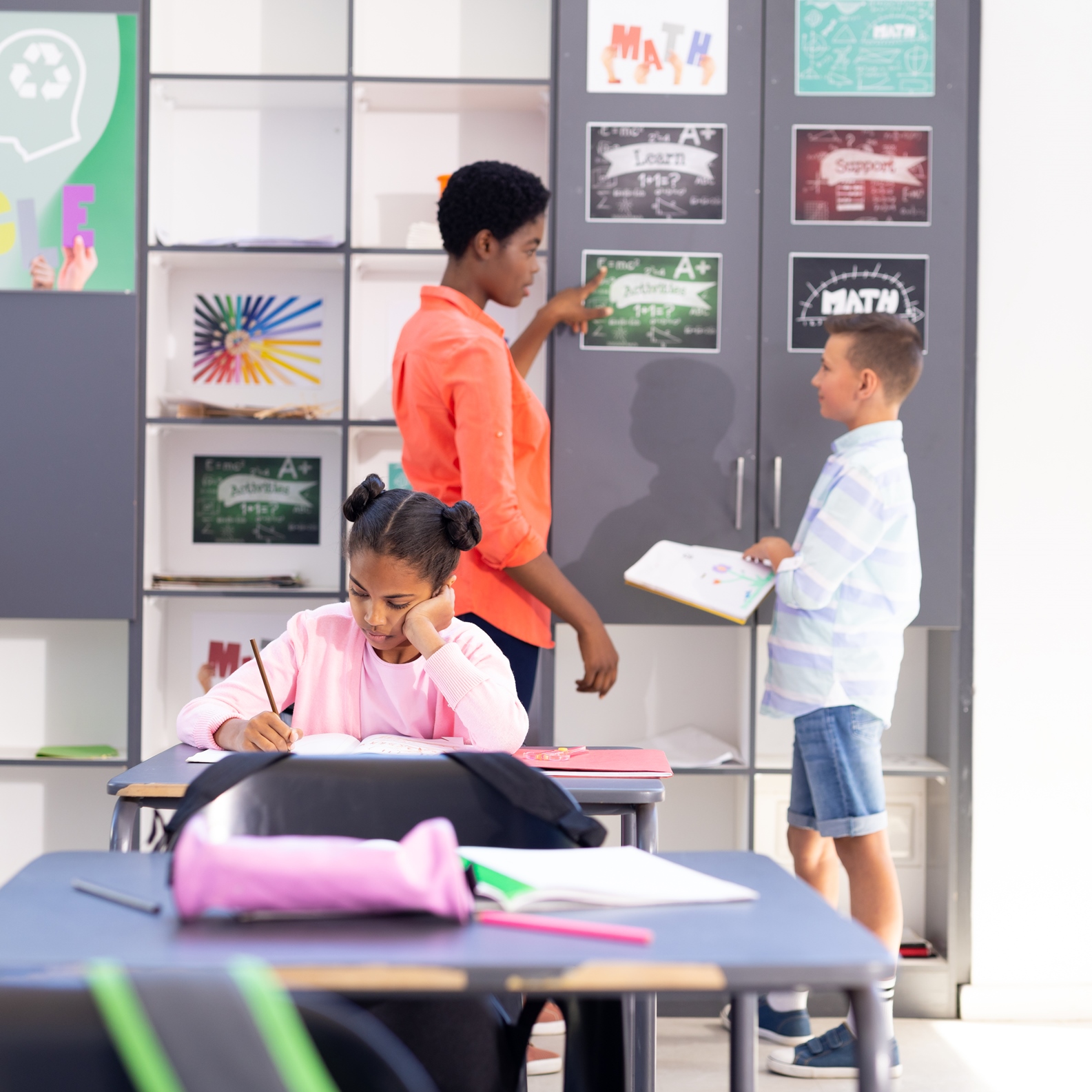
When we think about academic success, our minds usually jump straight to textbooks, past exam papers, and the formidable expertise of a dedicated teacher. We talk endlessly about curriculum updates, study strategies, and exam techniques. Yet, one of the most profound influences on a student’s cognitive performance is rarely discussed with the depth it deserves: the physical and psychological space in which learning unfolds.
Tutoring is not merely an exchange of information across a table or through a webcam; it is a delicate art form. Just as a master painter carefully selects the canvas, lighting, and color palette to evoke specific emotions and guide the viewer's eye, educators and parents must intentionally design learning environments. Whether you are setting up a dedicated study nook at home or engaging with specialized programs like Chatswood Tutoring, understanding the intersection of space design, visual art, and cognitive architecture can completely transform a student’s educational trajectory.
The Cognitive Canvas: How Space Design Shapes Focus
Human brains do not operate in a vacuum. Every element of our physical surroundings—from lighting and color psychology to spatial layout and noise levels—sends constant signals to our nervous system. When a student sits down in a cluttered, dimly lit, or chaotic room, their brain expends subtle energy just managing that visual noise. Conversely, a thoughtfully designed study space acts as a cognitive canvas, clearing away mental clutter and directing undivided attention toward the task at hand.
Consider the role of spatial zoning. In modern interior architecture, different rooms serve different emotional and functional purposes. A bedroom is designed for rest, a kitchen for nourishment, and a living area for social connection. When a student attempts to study on their bed—surrounded by sleep associations and leisure distractions—their brain receives conflicting cues. Effective tutoring space design establishes a clear boundary: this specific corner, desk, or room is where deep focus happens.
By introducing ergonomic seating, organized stationery caddies, and clean, uncluttered work surfaces, educators create an environment that signals readiness and intent. This physical transition bridges the gap between passive relaxation and active academic engagement.
The Palette of Productivity: Color, Light, and Visual Art
Visual art and interior aesthetics play a surprisingly direct role in academic retention and mood regulation. Color psychology teaches us that different hues evoke distinct psychological responses. Soft blues and greens can induce a sense of calm and reduce anxiety during high-stress mathematical problem-solving sessions, while warm accents like subtle yellows can stimulate creative thinking during brainstorming and essay planning.
Lighting is another critical brushstroke in the design of a learning environment. Harsh fluorescent overhead lighting can cause eye strain, fatigue, and headaches over the course of an hour-long tutoring session. Natural daylight, whenever possible, remains the gold standard. It regulates circadian rhythms, boosts alertness, and elevates mood. When natural light is unavailable, layering task lighting—such as an adjustable desk lamp with a neutral color temperature—focuses illumination precisely where the student needs it without casting heavy, distracting shadows.
Furthermore, integrating motivational visual art, structured mind-maps, and clean graphic design principles into study notes helps anchor abstract concepts in visual memory. When complex historical timelines, scientific cycles, or literary themes are translated into visually balanced diagrams, students engage both their analytical left brain and their creative right brain. This multi-dimensional approach to processing information ensures that learning feels less like rote memorization and more like an immersive, artistic exploration.
Digital Spaces: Architecture in the Virtual Realm
As education increasingly embraces distance learning and virtual classrooms, the concept of "space design" must expand beyond physical rooms into the digital landscape. A messy, disorganized desktop screen or a chaotic virtual whiteboard can be just as mentally fatiguing as a cluttered physical desk.
The digital architecture of a tutoring session requires equal intentionality. Expert online tutors curate their virtual environments meticulously. They utilize clean digital whiteboards, color-coded concept mapping software, and distraction-free browser tabs to maintain a streamlined aesthetic. When a student logs into a virtual session from a quiet, well-lit corner of their home, the digital workspace should feel welcoming, structured, and entirely focused on collaboration.
This blending of physical comfort and digital clarity ensures that distance learning never feels cold or disconnected. Instead, it leverages technology to create an intimate, highly focused studio environment where student and mentor can think, sketch, and solve problems side-by-side, regardless of physical geography.
The Human Element: Merging Design with Mentorship
Ultimately, even the most beautifully designed room or the most sophisticated digital interface is only as effective as the human relationship at its core. Space design and artistic environment-building are merely tools to lower cognitive resistance and invite curiosity.
When a tutoring session takes place in an environment free from friction—where supplies are within arm's reach, lighting is gentle yet bright, and the layout promotes open dialogue—the student feels psychologically safe to make mistakes. They feel comfortable asking those "silly" questions that they would never dare voice in a crowded, high-pressure classroom.
Great tutors understand this deeply. They adapt their teaching style to match the emotional and environmental rhythm of the student, using spatial and visual cues to guide them from frustration to clarity. By treating the learning environment as a living, breathing work of art, educators help students move past anxiety and step into their full intellectual potential.
Investing in the art of tutoring means investing in the whole ecosystem of learning. When we harmonize space design, visual aesthetics, and expert mentorship, studying stops being a chore and transforms into an inspiring, masterfully crafted journey of discovery.