

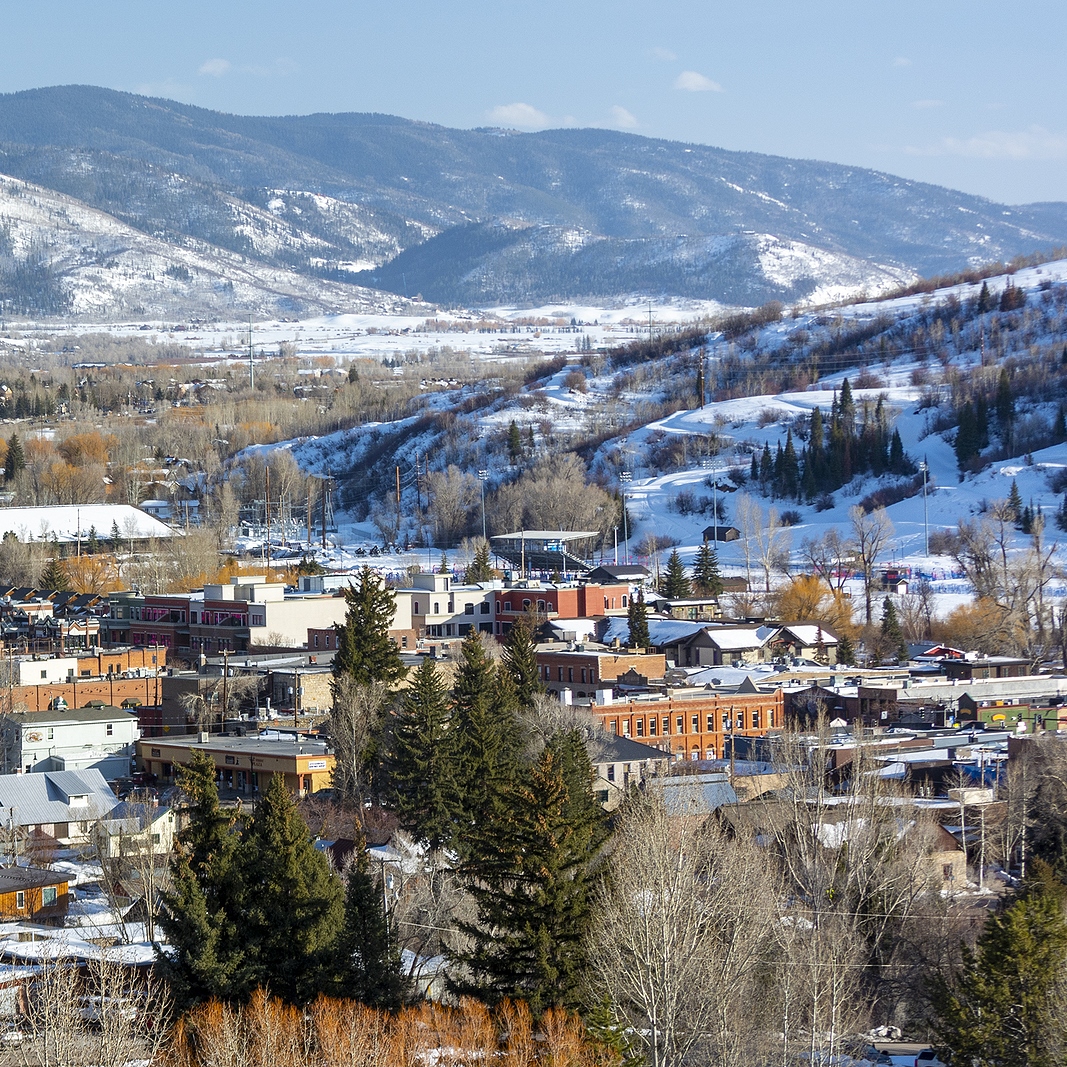
Moving artwork into a mountain town presents a very different set of challenges than transporting pieces between major urban galleries. In Steamboat Springs, CO, geography itself becomes part of the logistics process. Elevation changes, winter road conditions, seasonal construction, limited direct freight access, and remote residential locations all affect how art is packed, transported, and installed.
As Steamboat continues attracting high-net-worth buyers, second-home owners, and collectors relocating from larger cities, the demand for specialized fine art transport into the region has increased steadily. Many of these buyers are not simply furnishing vacation homes. They are moving established collections containing paintings, sculptures, photography, antiques, and large contemporary works that require professional handling throughout every stage of transport.
The process often begins months before the artwork actually arrives.
Mountain Transport Requires Different Planning
Transporting artwork into Colorado mountain communities requires far more route coordination than standard residential shipping. Large vehicles may face weather restrictions during winter months, while steep roads and narrow driveways can complicate final delivery even during summer.
Steamboat Springs sits more than 6,700 feet above sea level, and the surrounding terrain affects everything from truck access to environmental conditions inside transport vehicles. Altitude changes themselves can influence certain materials during long-distance transport, especially older canvases, wood-framed works, and mixed-media pieces sensitive to pressure or humidity fluctuations.
Professional handlers moving collections into mountain areas often prepare custom packing systems designed specifically for climate and vibration control. This becomes especially important for oversized works that require extended travel across uneven terrain or multiple handling stages before installation.
The challenge grows more complicated when collections are moving from coastal climates into dry high-altitude environments like northern Colorado.
Steamboat’s Growth Is Changing Art Logistics
Steamboat Springs has seen significant luxury development activity over the past several years, particularly around resort-adjacent housing and newer residential projects designed for seasonal residents and remote professionals.
Many buyers exploring new developments in the area are purchasing homes specifically built to accommodate larger-scale interiors, open layouts, and extensive window exposure. Those architectural choices create strong visual environments for displaying art, but they also introduce practical installation concerns.
Large contemporary homes in mountain communities increasingly include:
- Double-height walls
- Floor-to-ceiling glass
- Dedicated gallery corridors
- Climate-controlled storage
- Custom lighting systems
- Separate guest structures
That type of construction changes how artwork enters the property.
Some installations now require crane coordination, specialized rigging equipment, or temporary removal of architectural panels simply to move oversized works indoors safely. Steep driveways and snow conditions can further complicate access for larger transport vehicles.
As Steamboat’s luxury housing inventory expands, art logistics companies are adapting to increasingly complex residential installations rather than traditional gallery deliveries alone.
Weather Is Part of Every Shipment
Colorado weather affects scheduling more than many first-time collectors expect.
Snowstorms can temporarily close key mountain routes, while freeze-thaw cycles create road conditions that increase vibration exposure during transport. Even summer deliveries may face interruptions from construction activity, wildfire-related road management, or heavy tourism traffic during peak resort months.
This unpredictability changes how transport teams plan schedules.
Artwork transported through mountain environments frequently requires:
- Shock-resistant crating
- Moisture barriers
- Interior suspension systems
- Thermal insulation
- Real-time monitoring
- Controlled acclimation periods
The acclimation stage matters particularly for delicate works. Moving art directly from humid coastal environments into dry mountain interiors can create stress on organic materials. Wood panels, antique furniture, and stretched canvases may react quickly if environmental changes happen too abruptly.
Installation Is Often Harder Than Transport
In many Steamboat properties, the final installation phase becomes more technically demanding than the transportation itself.
Mountain homes frequently prioritize dramatic architecture. High ceilings, stone surfaces, floating staircases, and expansive windows all create installation challenges that require structural planning before artwork even arrives.
Professional installers increasingly collaborate directly with architects, contractors, and interior designers during construction phases rather than waiting until homes are completed. This coordination helps avoid structural modifications later.
Many newer mountain homes now include recessed hanging systems, integrated lighting tracks, and designated display walls designed specifically for rotating collections.
Storage Is Becoming More Important
Not every piece enters immediate display after arrival.
Collectors relocating seasonally to Steamboat often maintain rotating inventories between primary residences and mountain properties. That creates growing demand for secure climate-controlled storage capable of handling high-value artwork during off-seasons.
Mountain climates create additional storage concerns because dry air can affect organic materials over time. Some residential properties lack stable year-round occupancy, meaning environmental monitoring becomes especially important when homes remain vacant for extended periods.
Storage planning now often includes:
- Remote climate monitoring
- Backup power systems
- Air filtration
- Humidity stabilization
- Fire suppression systems
- Inventory digitization
Collectors also increasingly prioritize insurance coordination during mountain relocations. High-value artwork transported into remote areas sometimes requires updated appraisals, revised transit coverage, and specialized residential protection policies.
That reality affects both storage planning and emergency evacuation protocols for private collections.
Steamboat’s Art Market Is Expanding Quietly
Steamboat Springs does not operate like a major art capital, but its collector presence continues growing steadily alongside luxury real estate development.
Second-home owners relocating from Texas, California, and New York increasingly bring established collections into the region. Some homes now function partly as private exhibition spaces designed around large-scale contemporary works and western art collections.
This shift has gradually expanded demand for:
- Fine art transport
- Residential installation
- Collection management
- Climate consulting
- Secure storage
- Seasonal logistics coordination
The local market still remains relatively discreet compared to Aspen or Jackson Hole, but the infrastructure supporting collectors has become noticeably more sophisticated over the past decade.
That sophistication reflects the reality that mountain collecting creates unique logistical requirements.
Shipping art into Steamboat therefore becomes less about simple transportation and more about managing a chain of highly coordinated decisions designed to protect fragile works from conditions that mountain living naturally introduces.