

Weather Is More Than a Shipping Concern
Weather affects art-related businesses in ways that go beyond delayed deliveries. A storm can interrupt transport routes. Heat can change how packing materials, adhesives, finishes, and framed works behave in transit. Humidity can increase the risk for paper, textiles, wood, canvas, and mixed-media pieces. For galleries, craft suppliers, framers, museum stores, design retailers, and art logistics teams, weather influences planning, packaging, storage, staffing, customer communication, and fulfillment.
In the art world, timing and condition carry unusual weight. A delayed artwork can affect an exhibition opening, collector delivery, design installation, auction deadline, or client presentation. A damaged piece can lead to restoration work, insurance claims, lost trust, and reputational harm.
That is why weather-aware planning has become a practical part of art commerce. Businesses that sell, pack, store, or ship creative goods need to understand how upcoming conditions may affect daily decisions before problems reach the customer.
Why Forecast Data Matters to Art-Related Businesses
Weather planning often starts with practical questions. Will rain affect pickup and delivery windows? Will snow reduce gallery traffic? Will high humidity require additional protective materials? Will extreme heat make certain items harder to store or move safely?
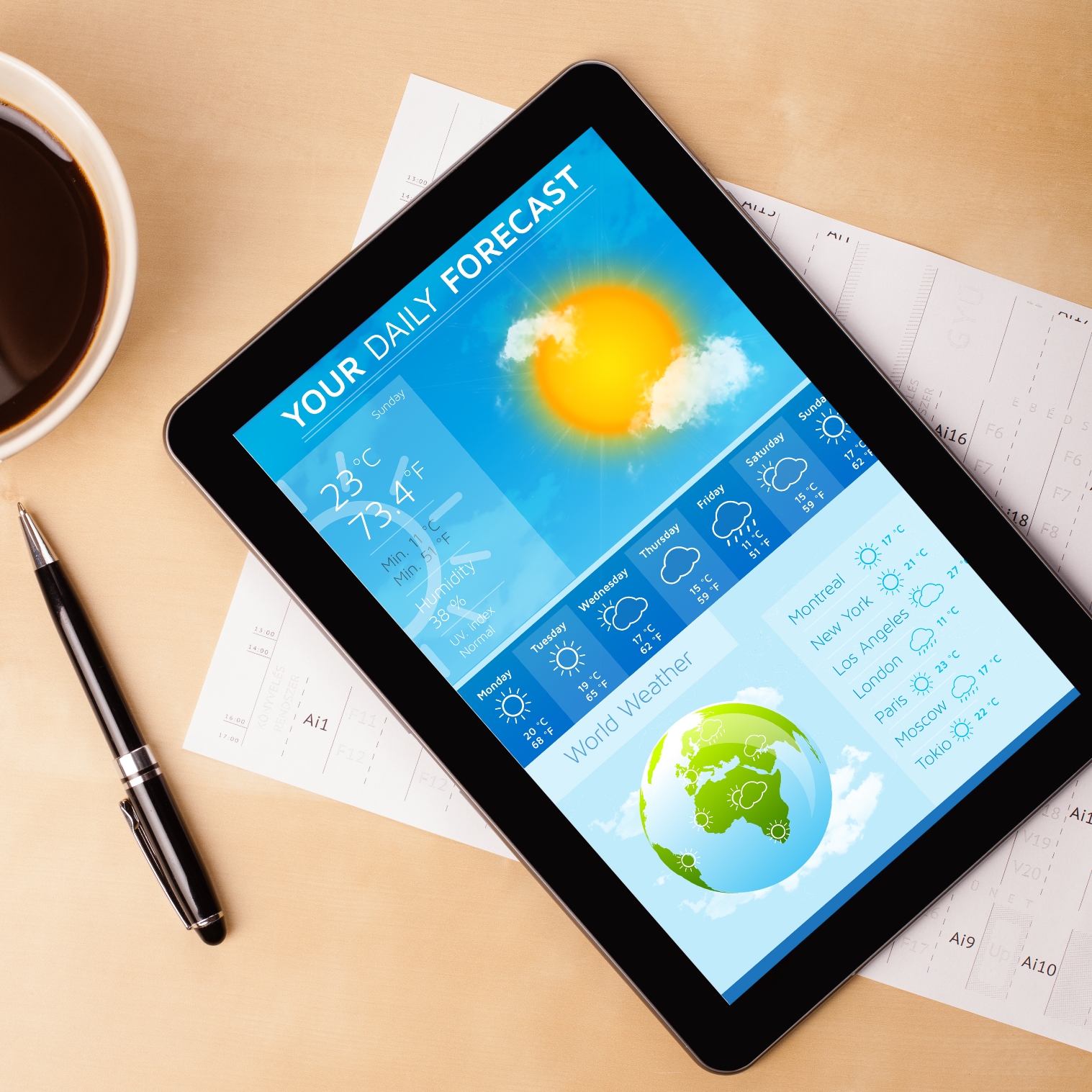
These questions become more useful when they are connected to structured data. For art-related businesses, forecast data for retail decisions helps translate expected weather into planning choices such as inventory levels, staffing, packaging preparation, delivery timing, and customer updates.
The goal is not to eliminate uncertainty. The goal is to give teams clearer signals so they can act before delays, shortages, damage risks, or customer complaints develop.
How Weather APIs Work Behind the Scenes
A weather API is a tool that allows business software to request weather information automatically. API stands for application programming interface. In simple terms, it is a bridge between a weather data provider and a company’s internal systems.
Instead of asking employees to check forecasts manually, a business can connect weather data to an eCommerce platform, logistics dashboard, inventory tool, order management system, warehouse schedule, or spreadsheet. The software sends a request for a location, time period, and type of weather information. The API then returns structured data that the system can read and organize.
That returned data may include temperature, precipitation, wind speed, humidity, severe weather risk, cloud cover, and historical weather patterns. Once received, the business can compare those conditions with its own information, such as sales history, shipping volume, order destinations, staffing levels, packaging stock, and storage capacity.
Turning Weather Signals into Retail and Logistics Decisions
Weather data matters when it changes action. In art commerce, those actions may involve sales, storage, packing, shipping, staffing, route planning, and customer service.
Inventory planning is a clear example. A design retailer may know that certain home décor items, craft kits, framed prints, or interior accessories sell better during seasonal transitions. If colder weather is expected earlier than usual, the business may adjust stock levels, displays, and promotional timing. If warm weather continues, it may delay seasonal inventory changes and avoid tying up capital in products that are not yet in demand.
Packaging teams can also use weather signals to prepare materials more accurately. Wet conditions may increase the need for moisture barriers, sealed outer layers, and protected loading areas. Heat may require attention to materials that soften, expand, or become unstable. Cold conditions may affect adhesives, finishes, and handling procedures.
Retailers use environmental information to prepare for weather- and climate-related disruptions, especially when those conditions affect inventory, supply chains, customer safety, staffing, and business continuity. Art businesses may operate on a smaller scale than national retailers, but they face similar planning pressures with products that often require more careful handling.
Packaging Choices Become Smarter with Better Planning
Packaging is one of the most direct areas where weather-aware planning matters. The right approach depends on the object, route, handling conditions, storage time, destination, and forecast.
For fragile, valuable, or climate-sensitive items, museum-quality crating can be part of a wider preparation process that accounts for weather, routing, transfer points, and destination conditions.
Forecast data helps teams decide when extra protection is justified. If heavy rain is likely, a packing plan may include stronger moisture barriers, sealed outer layers, and reduced exposure during loading. If heat is expected, the team may limit time in non-climate-controlled spaces or adjust pickup schedules. If high humidity is forecast, buffering materials and tighter environmental controls may become more important.
This planning is especially useful for multi-stage shipments. An artwork may move from a studio to a packing facility, then to storage, then to a truck, then to a gallery, collector, or event venue. Each transfer creates exposure risk. Weather data helps teams identify where the highest risk may occur and prepare accordingly.
It also supports cost control. Excessive packing can waste materials, increase freight costs, and complicate handling. Insufficient packing can lead to damage, claims, delays, and unhappy clients. Weather-aware planning helps match protection to realistic risk rather than relying on guesswork.
For art, design, and craft businesses, packaging is part of preservation and customer experience. It should be planned with the same care as sales, storage, and delivery.
A More Prepared Future for Art Commerce
Art commerce now moves across physical galleries, online shops, design retailers, craft suppliers, packing teams, warehouses, couriers, and specialized logistics providers. Each point in that chain can be affected by weather.
Forecast data gives businesses a practical way to connect real-world conditions with operational decisions. It can guide inventory planning, packaging choices, staffing, route timing, storage preparation, and customer communication.
Weather will always create some uncertainty. Careful planning reduces the impact of that uncertainty. When art-related businesses use forecast data thoughtfully, they can protect valuable objects, reduce avoidable delays, improve customer trust, and operate with greater control.