

When a valuable painting, sculpture, or antique moves between locations, documentation matters almost as much as careful handling. A small scratch, loose frame, or damaged corner can raise difficult questions about when the problem occurred and who was responsible.
Condition reports help answer those questions. Traditionally, they rely on written observations and photographs taken before and after an artwork changes hands. Now, wearable cameras are introducing another possibility: recording parts of that process from the handler's perspective.
Could hands-free video make condition reporting more efficient? Potentially, but understanding where it helps, and where traditional documentation remains essential, is important.
Why Accurate Condition Reporting Matters
A condition report records an artwork's physical state at a particular moment. It typically identifies the object, describes existing damage, and provides a reference for future inspections.
Imagine a painting arriving at a gallery with a damaged frame. Without reliable documentation from its departure, establishing when the damage occurred becomes difficult.
This is why documenting artwork conditions before shipping is an important part of professional art logistics. Clear photographs, detailed descriptions, and consistent inspection procedures help owners, handlers, and receiving institutions compare an object's condition at different stages.
Documenting physical changes over time relies heavily on comprehensive written observations paired with clear photography.
Wearable cameras could complement this established process by adding a different visual perspective.
What Could Wearable Cameras Add?
Traditional condition photography generally requires someone to position a camera, photograph specific areas, and record observations separately.
Wearable cameras offer a hands-free recording option. Rather than repeatedly putting down equipment to capture photographs, an authorized handler could record selected parts of an inspection from their own viewpoint.
For example, imagine a sculpture being unpacked at its destination. A wearable camera could document the opening of the crate, the removal of protective materials, and the object's visible condition during the process.
This footage could help answer practical questions later. Was the packaging intact? Was an existing mark visible when the crate opened? Did the receiving team notice anything unusual?
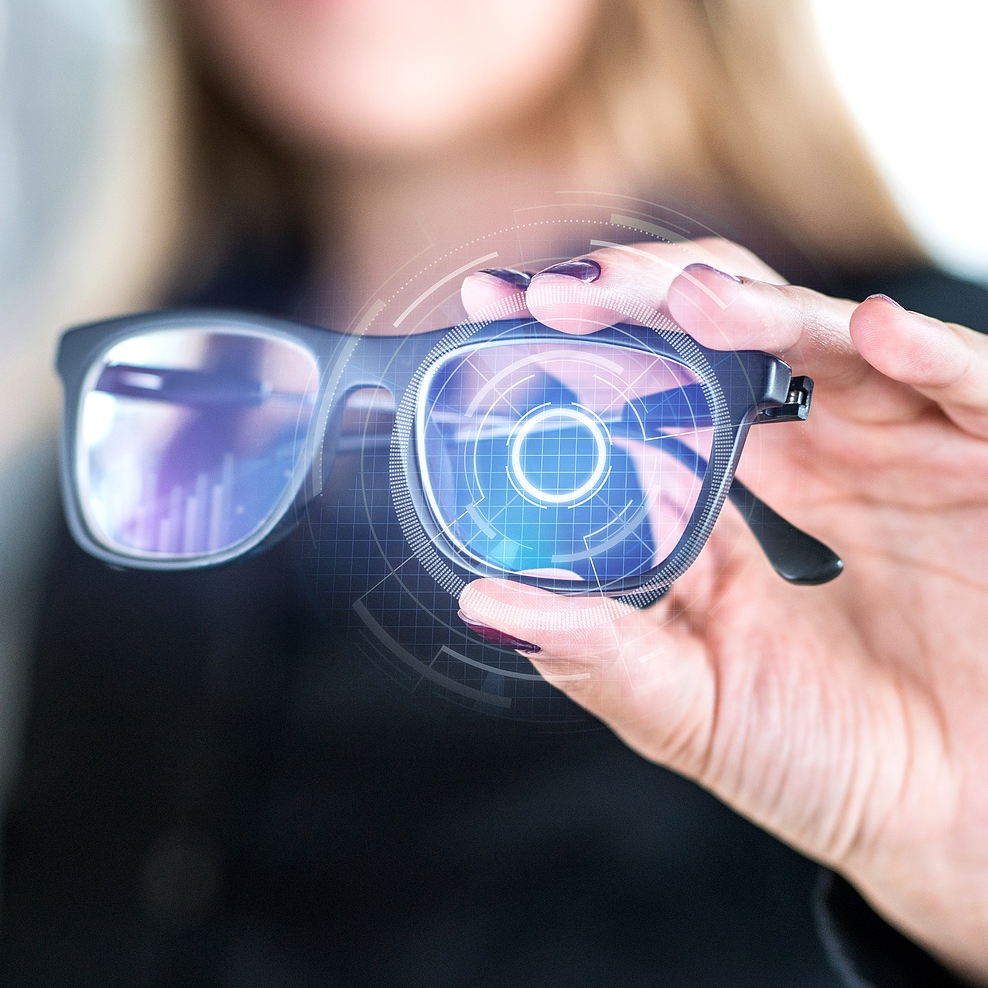
Consumer products, such as glasses that record video, illustrate how compact cameras can be incorporated into everyday eyewear. Certain AI glasses models support hands-free recording through voice commands or built-in controls, making first-person documentation possible without constantly holding a separate device.
However, consumer smart glasses are not purpose-built conservation equipment. Their usefulness would depend on image quality, lighting, recording limits, and an organization's documentation requirements.
Could Video Improve Packing and Unpacking Records?
One promising application involves recording the sequence of events rather than simply capturing an object's appearance.
Photographs can show that a sculpture was properly positioned inside a crate. Video can provide additional context about how protective materials were removed or how the object was transferred to a supporting surface.
This distinction may be valuable when several people participate in the same shipment.
For instance, a short recording could establish that a particular packaging layer was intact before removal. It might also help the next handling team understand how an unusually shaped object was secured.
But video should remain supplementary evidence. A recording does not automatically prove that every handling procedure was appropriate, and it may fail to capture events outside the camera's field of view.
The goal is better documentation, not creating an assumption that everything visible in a recording was handled correctly.
Can Wearable Cameras Replace Traditional Condition Reports?
Not entirely.
Professional condition reporting requires more than visual footage. Inspectors must identify existing damage, record its location, describe its extent, and distinguish established defects from newly observed changes.
Small cracks, subtle discoloration, loose paint, and surface distortions may be difficult to identify in moving footage. Dedicated cameras, controlled lighting, magnification, and specialized examination techniques remain important.
Standard condition-checking procedures advise documenting visual observations, taking photographs when possible, and recording key details such as the inspection date, the assessor’s name, and the specific findings.
Wearable recordings cannot replace those responsibilities.
A stronger approach would combine conventional reports with selected first-person footage. Written observations would establish the condition, high-quality photographs would document specific details, and video would provide additional context around handling or unpacking.
What About Privacy and Record Security?
Recording valuable artworks also introduces questions about privacy, confidentiality, and information security.
A gallery, private collector, or museum may not permit recording in certain areas. Footage could unintentionally reveal security arrangements, inventory information, or other objects unrelated to the inspection.
Before introducing wearable cameras, organizations should establish clear rules covering recording authorization, consent where required, secure storage, access permissions, and retention periods.
Recordings should also be identified consistently. Object numbers, inspection dates, locations, and responsible personnel need to remain connected to the corresponding files.
A video saved without this information may become difficult to interpret months later.
These safeguards help ensure that additional footage strengthens the documentation process rather than creating new complications.
How Could Art Handlers Introduce Wearable Documentation?
The most sensible approach is a controlled trial.
An art shipping company or collection manager could begin with a small number of routine inspections where recording is authorized, and the environment is appropriate.
The team could compare its usual documentation workflow with one incorporating short wearable recordings.
Useful questions include:
- Does the footage capture information missing from conventional photographs?
- Can staff document handling sequences without compromising safety?
- Is the recording clear enough to be useful afterward?
- How much additional time is required to review, label, and store the files?
If the results are useful, the organization can develop a standardized procedure. If the footage adds little value, there may be no reason to introduce another device into the workflow.
Crucially, recording should never distract a handler from supporting or protecting an artwork.
Final Thoughts
Wearable cameras could make condition reporting more informative by capturing handling and unpacking processes from a perspective traditional photographs cannot always provide.
Their greatest potential lies in adding context, particularly when artworks move between several locations or handling teams.
Still, first-person footage cannot replace precise observations, detailed photographs, or professional conservation expertise.
For fine art logistics, the future of condition reporting may not involve choosing between traditional methods and wearable technology. It may involve combining them thoughtfully, so every artwork has a clearer, more reliable record of its journey.