

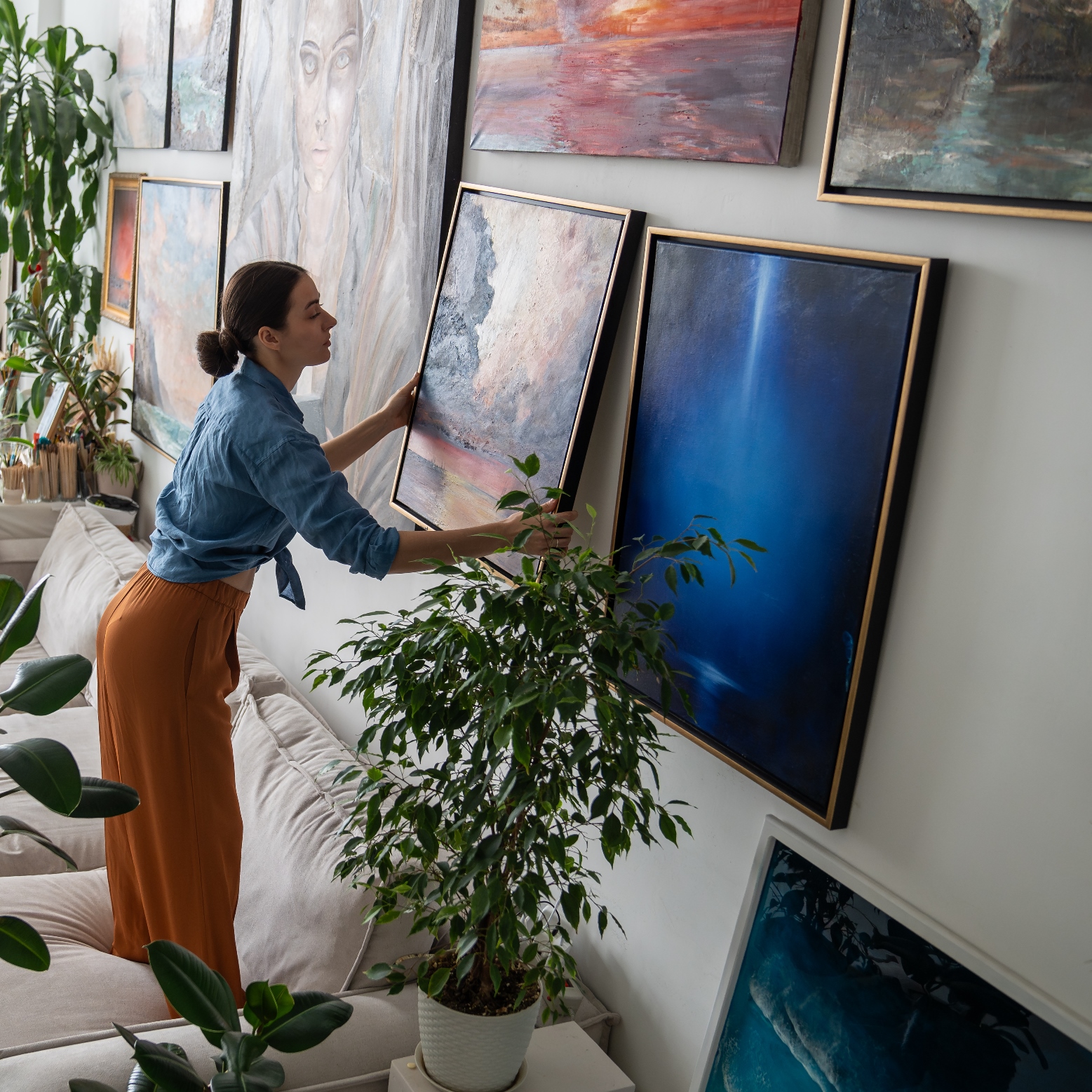
Collectors spend considerable time thinking about how their paintings, sculptures, and antiques are packed, shipped, and displayed. Far less attention tends to go toward the building that houses them once the crates are unpacked and the pieces are hung. Yet, the everyday condition of a home, its heating, plumbing, and general upkeep, has a direct and often underestimated influence on how well art survives over the years. A well-maintained home is one of the simplest forms of preventive conservation available to any collector.
Why a Stable Indoor Climate Matters
Artwork responds to its environment far more than most people realize. Canvas expands and contracts with humidity, wood veneer on antique furniture shifts with changes in moisture, and pigments can become brittle or discolored when exposed to fluctuating temperatures over long periods. Museums invest heavily in climate control for exactly this reason. Private collectors rarely have access to the same equipment, but the principle still applies at home. Conservators commonly recommend keeping indoor humidity in a moderate, stable range, often citing figures somewhere between 40 and 55 percent, with temperature kept relatively constant rather than swinging widely between seasons or even between day and night.
The challenge is that most homes were not built with art preservation in mind. Radiators positioned near walls, drafty windows, and poorly insulated rooms all create pockets of inconsistent temperature and humidity that can quietly stress a collection over time. This is where regular home maintenance becomes relevant to something as specific as protecting a painting or a piece of antique furniture.
Heating Systems and Temperature Consistency
A functioning, well-serviced heating system does more than keep a home comfortable. It plays a quiet but important role in maintaining the kind of environmental stability that valuable objects need. When a boiler is old, inefficient, or poorly maintained, it tends to produce uneven heat distribution, forcing certain rooms to run hotter or colder than others. That kind of temperature instability, rather than the boiler itself, is what puts art at risk. Wood panels can warp, canvases can loosen on their stretchers, and varnish can develop fine cracks known as craquelure when they are repeatedly exposed to shifting conditions over time.
Routine boiler servicing, timely repairs, and sensible placement of heating elements away from walls where art is displayed all contribute to a more stable indoor climate. It is also worth considering how a room is heated in relation to where pieces are hung. A painting positioned directly above a radiator or beside a heating vent will experience far greater temperature swings than one placed on an interior wall away from direct heat sources. Small adjustments like these, made as part of routine home care, can meaningfully extend the life of a collection.
The Hidden Danger of Leaks and Moisture
Few things damage art and interiors faster than water. A slow leak behind a wall or under a floor can go unnoticed for weeks, quietly raising humidity levels in a room long before any visible staining appears. By the time discoloration shows up on a wall near a hung painting, moisture may have already worked its way into the frame, the canvas, or the wall itself.
Older plumbing is particularly prone to this kind of gradual failure. Pipes corrode, joints loosen, and seals around bathroom fixtures degrade over years of ordinary use. Regular plumbing inspections catch these issues while they are still minor and inexpensive to fix, long before they become the kind of emergency that threatens nearby artwork or antique furniture. Collectors who display pieces near shared walls with bathrooms, kitchens, or utility rooms should be especially attentive to this risk, since these are the areas where leaks most commonly originate.
Renovations and the Ripple Effect on Nearby Rooms
Bathroom and kitchen renovations deserve particular care when a home also functions as a gallery space. These projects involve extensive plumbing work, and even a well-managed renovation carries some risk of dust, humidity spikes, and temporary disruption to a home's climate control. Sealing off adjacent rooms, using proper ventilation, and temporarily relocating sensitive pieces during major work are all sensible precautions.
Choosing the right team for this kind of work matters as much as the precautions taken during it. According to SD Plumbing & Heating, a professional plumbing and heating firm based in Edinburgh, one of the most common sources of post-renovation leaks and uneven heating is work that was split across separate contractors who were not coordinating with each other. When plumbing, heating, and fittings are handled by different teams without a shared overview of how the systems interact, the gaps between their work tend to be where problems emerge. For homeowners balancing a renovation with the practical demands of housing a valuable collection, having a single coordinated team across those systems reduces the risk of the installation errors most likely to affect the indoor environment.
Building a Maintenance Routine That Protects What Matters
None of this requires turning a home into a climate-controlled vault. It simply means treating routine maintenance as part of the broader responsibility of caring for a collection. An annual boiler service, prompt attention to any sign of a leak, and periodic checks of humidity levels in rooms where art is displayed are modest, manageable habits. Investing in a reliable hygrometer to track humidity, keeping curtains or blinds closed during peak sunlight hours to limit UV exposure, and ensuring proper airflow behind large framed pieces all support the same goal.
It is also worth building a relationship with tradespeople who understand the stakes involved. A plumber or heating engineer who knows that a home contains valuable art will naturally take more care around walls, flooring, and nearby furnishings during any job, whether that is a routine boiler check or a full bathroom renovation.
A Quiet but Essential Layer of Protection
Art conservation is often associated with specialized handling, careful packing, and controlled storage during transport. All of that matters enormously, but it only accounts for part of a piece's life. The rest of the time, a painting or antique simply exists within the walls of a home, subject to whatever conditions that home provides. Keeping heating systems in good order, staying ahead of plumbing issues, and approaching renovations thoughtfully are unglamorous tasks, but they form a quiet, continuous layer of protection alongside everything else a collector already does to care for their pieces. In the long run, a well-maintained home adds a meaningful layer of protection alongside the professional handling, packing, and storage a collection may already receive.