

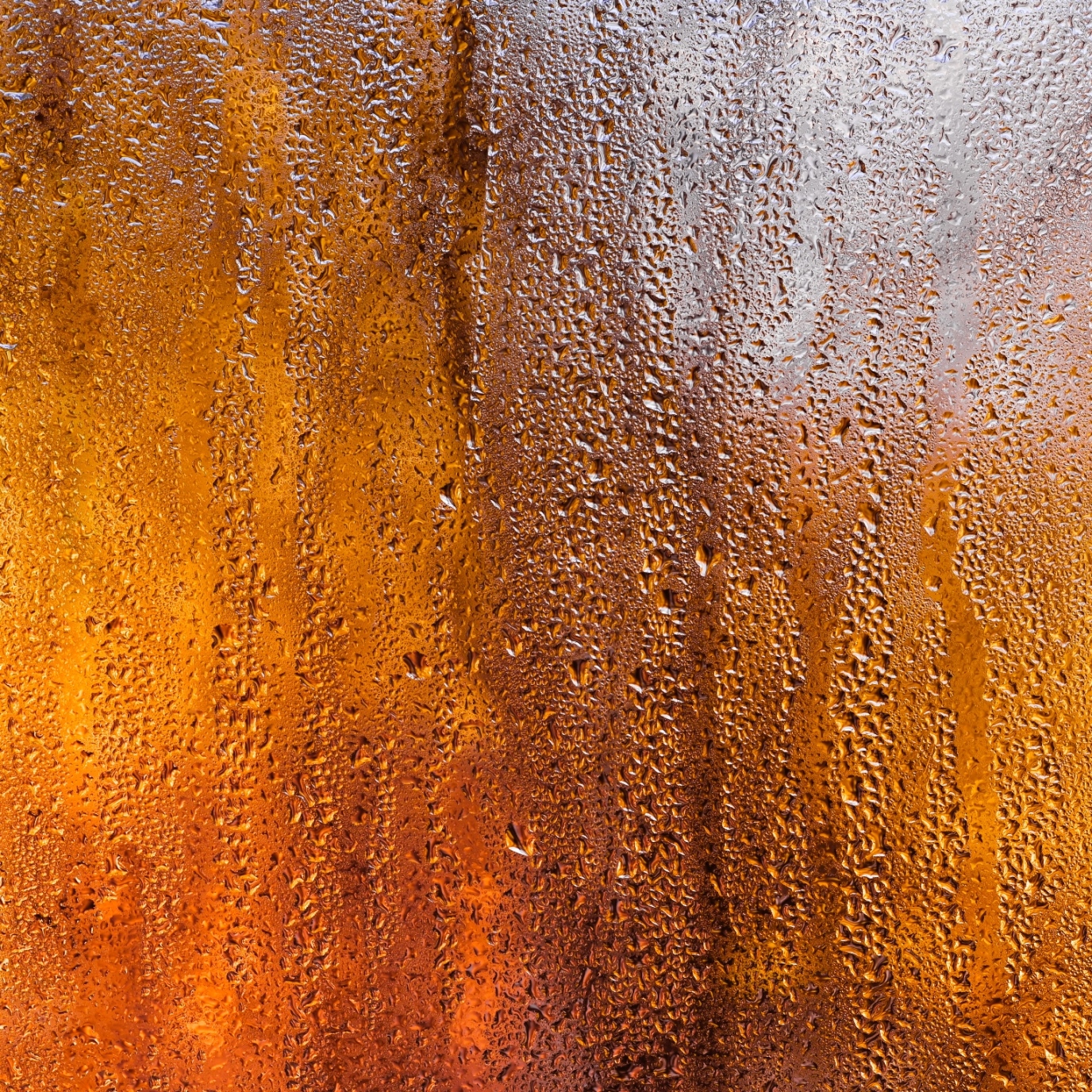
Air holds more water vapor as its temperature rises. When a packed artwork moves from a cool environment into a warmer one, the air inside the package can reach its dew point. At that point, excess water vapor turns into liquid and accumulates on the nearest cold surface. When it comes to art packing and shipping, that surface may be the artwork itself. This simple physical process can cause significant artwork condensation damage.
How Condensation Forms
A common scenario behind artwork condensation damage involves a sudden temperature difference. A crate that spends hours in an unheated truck may remain cold even after delivery. If it is opened immediately in a warm gallery with around 50% RH, the painting can remain colder than the surrounding air, allowing moisture to form on its surface. Condensation may develop within minutes and can be difficult to see at first.
Types of Artwork Condensation Damage
Condensation affects different types of artwork in different ways.
- Canvas paintings can absorb moisture and undergo repeated expansion and contraction. These cycles may contribute to paint flaking and can cause natural resin varnishes to develop a cloudy or whitish appearance.
- Paper-based art absorbs moisture readily and unevenly, which can lead to cockling and rippling. Sensitive media such as watercolor and gouache may bleed or feather when exposed to moisture.
- Photographs can experience emulsion softening and ferrotyping, potentially causing the image layer to stick to glazing or protective materials.
- Wooden panels and frames can warp, split along the grain, or develop other structural changes, while gilding may lift or become cloudy.
- Metal artwork can develop corrosion when exposed to moisture, particularly when condensation remains on the surface.
Understanding the specific risks associated with each artwork helps professionals develop a packing and shipping strategy that minimizes moisture-related damage.
Prevention Tips
The good news is that condensation damage is often preventable. One important principle of professional art shipping is gradual acclimatization. A delivered crate should generally be allowed to reach the surrounding room temperature before it is opened, with the appropriate acclimatization period determined by the artwork, packaging, and environmental conditions.
Additional measures may include using a moisture barrier inside the crate to slow temperature and vapor exchange. Conditioned silica gel can also help stabilize the internal microclimate and maintain a more consistent RH level.
Other professional packing practices include preparing artwork in a well-conditioned environment so that the air sealed inside the crate is already stable. Breathable materials such as Tyvek or acid-free tissue can provide an appropriate protective layer against artwork surfaces, while data loggers help monitor temperature and RH throughout transit.
By controlling temperature changes, humidity, packaging, and acclimatization, collectors and art professionals can significantly reduce the risk of artwork condensation damage during transportation.