

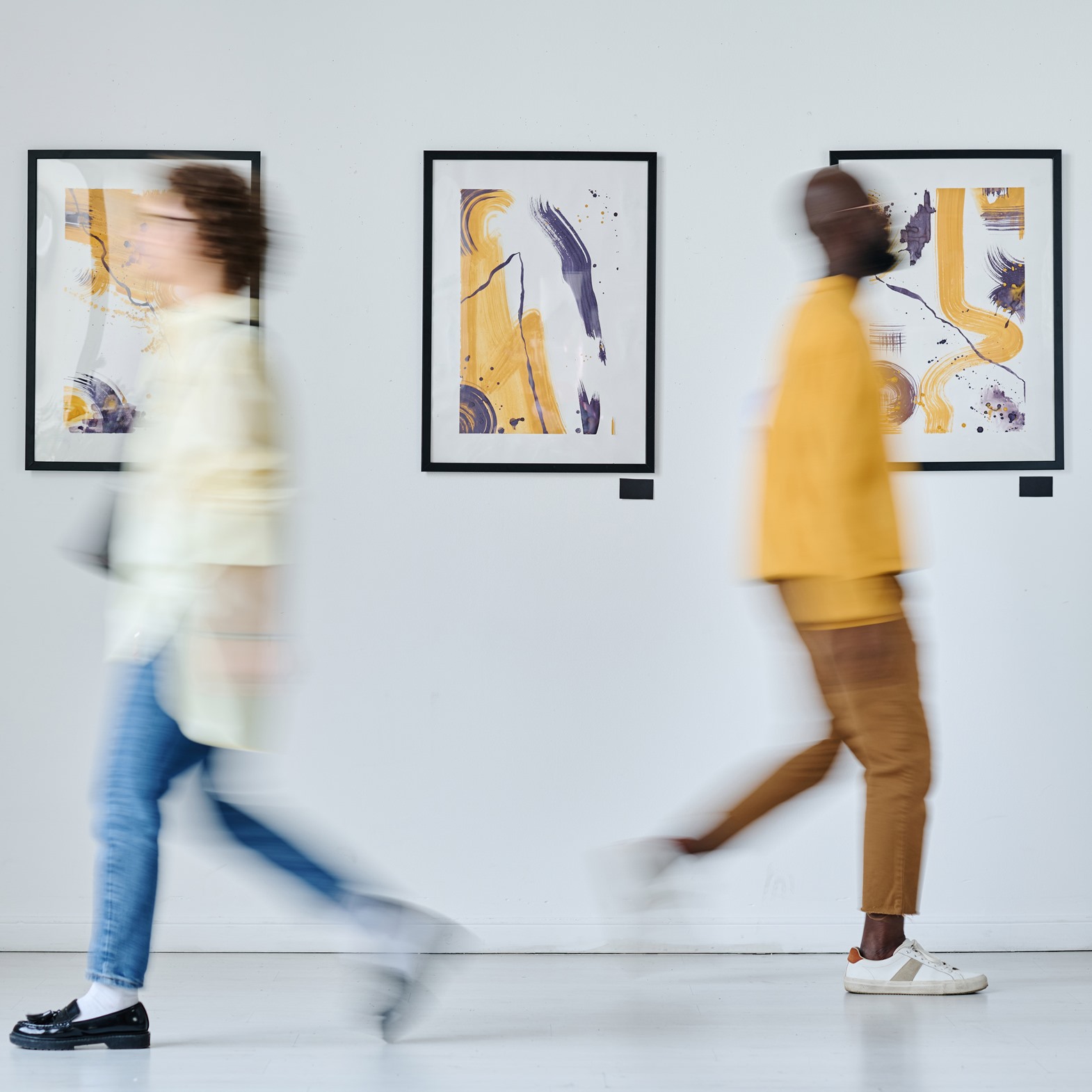
Getting valuable artwork safely to a gallery is a substantial logistical achievement. But the truck pulling up to the loading dock isn't the finish line — it's the moment the space itself gets tested. If the layout, lighting, access routes, and installation details haven't been thought through in advance, the arrival of a shipment can turn into a scramble that puts fragile, irreplaceable objects at unnecessary risk. The exhibitions that install smoothly are almost always the ones that were planned long before delivery day.
Start With the Movement of the Artwork
Before anyone hangs a single piece, map how the art will physically move from the street into the space. This is where preventable problems usually hide.
Can the crates actually get in? A large canvas or a heavy sculpture has to clear doorways, navigate corridors, and fit into whatever freight elevator the building offers — and a crate that's an inch too wide for the loading dock is a crisis discovered at the worst possible moment. Think through the whole path: dock access, the route to the gallery, the turns and thresholds along the way, and where crates can be safely set down and unpacked without blocking the space or exposing works to hazards. For complex exhibition spaces, resources such as https://archicgi.com/architectural-animation/ show how movement through interiors, lighting, room transitions, and spatial context can be presented before a project is physically complete — which helps teams walk the route in advance rather than discover its constraints with a priceless painting halfway through a doorway.
Match the Layout to the Exhibition Story
Once the practical access is settled, the layout has to serve both the art and the people coming to see it. Wall spacing matters more than it seems — pieces crowded too close compete with each other, while too much distance drains the energy from a room.
Consider the sequence a visitor experiences: which room they enter first, how the works reveal themselves, the sightlines from one piece to the next. Sculpture and freestanding works need placement that gives them room to be seen from multiple angles without creating bottlenecks. And visitor flow is a safety question as much as a curatorial one — a narrow corner where crowds bunch near a delicate object is a hazard worth designing out before opening night, not after an incident.
Lighting and Climate Should Be Planned Early
Lighting and environmental conditions are far easier to get right before the art is on the walls than after. Direct sunlight and glare are enemies of both viewing and conservation, and a wall that looked ideal at the planning stage can turn out to catch harsh afternoon light nobody accounted for.
Sensitive works — works on paper, certain pigments, photographs — often need controlled, lower light levels, and those requirements should shape the plan from the start rather than force awkward compromises later. The same applies to temperature and humidity: aligning the space's climate conditions with what the works require is a decision to make well ahead of delivery, in coordination with whatever conservation guidance applies to the specific pieces.
Installation Teams Need Clear Information
Art handlers and installers can only work as well as the information they're given. A smooth installation runs on documentation prepared in advance: condition reports, a clear hanging plan with wall measurements, object weights, and the order in which pieces should be unpacked and placed.
Equally important is knowing who's responsible for what, and having a realistic installation schedule that doesn't compress delicate work into an impossible window. When handlers arrive to find accurate plans, confirmed placements, and a clear point of contact, the process stays calm and controlled — which is exactly the condition under which valuable art should be handled.
Final Checks Before Delivery Day
A short checklist worth running before anything arrives: confirm delivery and dock access; verify the crate routes through the building; prepare a clean, safe unpacking space; check the lighting against the plan; confirm every wall position and plinth location; share the floor plans with the handling team; keep climate and security requirements clearly communicated; and leave genuine time for final adjustments rather than assuming the first placement is the last.
A successful exhibition begins well before the artwork reaches the door. When galleries plan the movement, layout, lighting, and installation details early, they take the risk and confusion out of delivery day — and give handlers, curators, and collectors a safer, clearer path from the loading dock to opening night.