

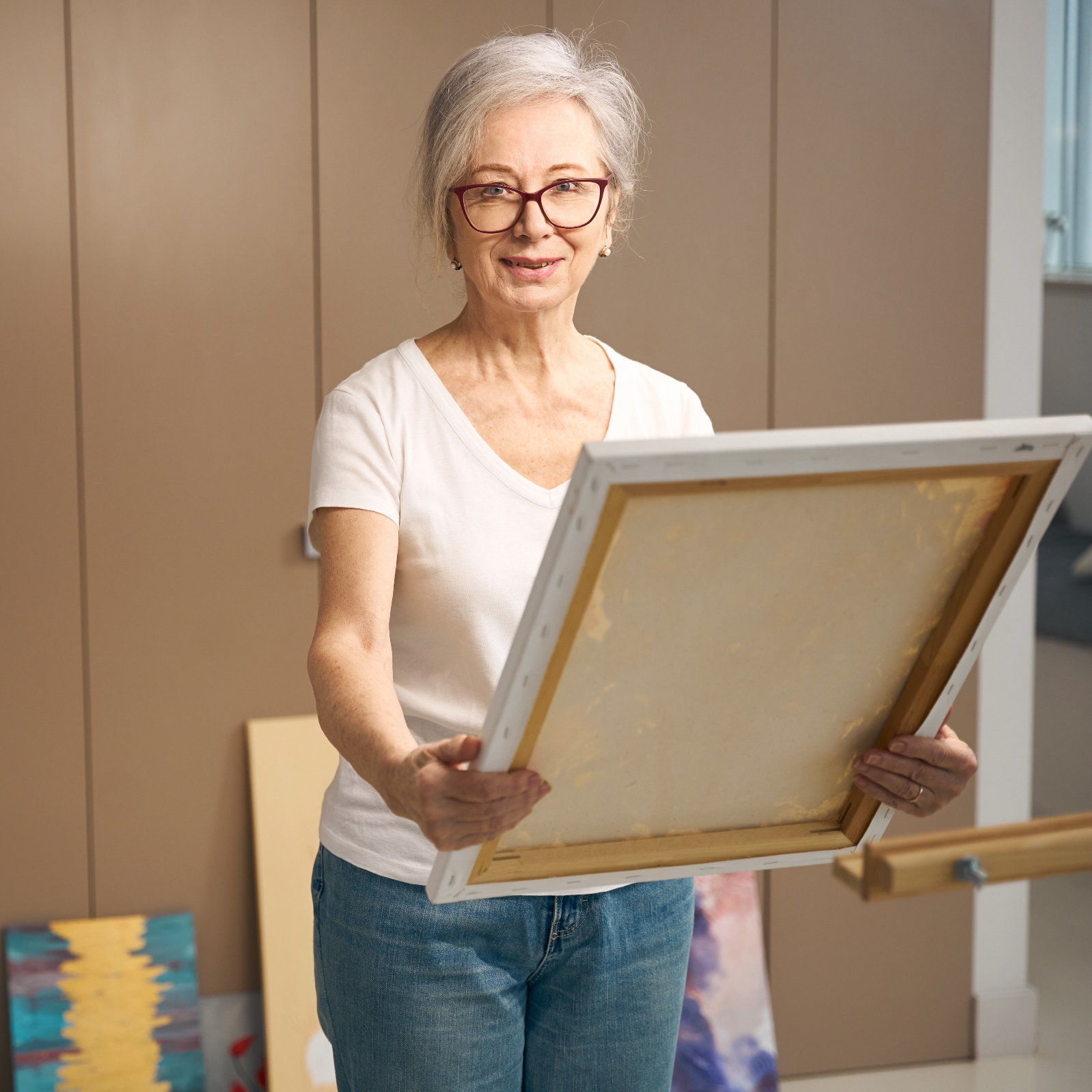
The Australian art market is thriving, with collectors frequently purchasing culturally significant pieces from local galleries and auction houses. Bringing home a newly discovered painting is an exciting experience, but the short drive back to your residence poses serious risks. Industry data reveals that accidental damage during logistics accounts for a significant portion of insurance claims in the fine art sector. Transporting fine art in a personal vehicle requires careful planning to prevent irreversible damage from unexpected environmental factors and road hazards. Whether you are driving five minutes down the road or taking a longer trip across the city, preparing your car is absolutely vital for art preservation.
The Invisible Threats of Light and Temperature
Fine art is highly susceptible to thermal shock. This phenomenon occurs when rapid temperature changes cause composite materials, such as wood stretchers and paint pigments, to expand and contract at different rates. The Royal Automobile Club of Victoria warns that vehicle interiors can soar past 70°C (158°F) in just minutes on a standard summer day. This extreme heat creates an environment that will rapidly warp canvas and melt certain organic binders, causing the paint layer to crack and flake away from the base substrate.
Direct sunlight poses an equally severe threat to your collection. According to preservation experts at the Library of Congress, UV and infrared radiation fuel chemical reactions that lead to deterioration and produce heat that alters relative humidity. This exposure causes permanent dimensional changes in the artwork as materials absorb and release moisture throughout the journey. Even on a mild spring day, an unshaded vehicle cabin can heat up significantly over just a few hours, putting delicate pieces in immediate danger of fading and structural compromise.
Modifying Your Vehicle Environment
To achieve a stable ambient temperature, you must actively manage your car interior before the artwork leaves the building. Moving a painting directly from an air-conditioned gallery into a warm vehicle can instantly trigger condensation beneath its protective wrapping. It is best to cool your vehicle down thoroughly before loading, ensuring the transition from the building to the car is as seamless as possible. Standard side and rear vehicle windows typically block only about 71 percent of harmful UVA rays, leaving cargo exposed. Installing a high-quality rear window sun shade is a highly effective way to block these rays and keep the cabin climate stable during transit. Combining physical window coverings with your car air conditioning helps maintain a steady, cool temperature, preventing sudden humidity spikes that damage the canvas substrate.
Essential Packing and Placement Strategies
Creating a safe physical space within your car is just as important as climate control. Standard packaging from a gallery might only protect against minor surface scratches, so additional physical precautions are necessary for the journey home. Moving an artwork without proper cushioning can subject it to intense vibrations that loosen the stretcher keys or damage the decorative frame.
Follow these practical steps to secure your artwork in a personal vehicle:
- Clear the cargo area completely to ensure the painting can be transported safely, away from sharp objects and other items that could cause damage.
- Place a clean, thick blanket underneath the artwork to absorb road vibrations and prevent it from sliding during sudden stops or sharp turns.
- Never stack heavy objects on top of the art, as this pressure can easily stretch the canvas or snap the wooden frame.
- Avoid placing the piece in the boot of your car. The boot usually lacks proper air-conditioning airflow, causing temperatures in this enclosed area to fluctuate wildly.
- Keep all windows rolled up to prevent sudden drafts, stray road debris, and unpredictable temperature shifts from entering the cabin.
Recognizing When to Rely on Professionals
While short, local trips are manageable with careful preparation, high-value collections or longer journeys require a completely different approach. Professional art logistics teams employ advanced techniques that are nearly impossible to replicate in a standard passenger car. These experts utilize dedicated vehicles that maintain strict temperature parameters regardless of the weather outside. If you are planning an extensive move, it is worth learning how professionals use custom wooden crates and active climate-control systems to protect sensitive paintings from environmental fluctuations and physical shocks during transit.
Do-it-yourself transport is ideal for a quick drive across town. For everything else, relying on specialized art shuttles ensures your prized pieces remain in a flawless, museum-grade microclimate from door to door. Taking these precautions guarantees your collection will be preserved for future generations to enjoy, keeping its historical and financial value completely intact.