

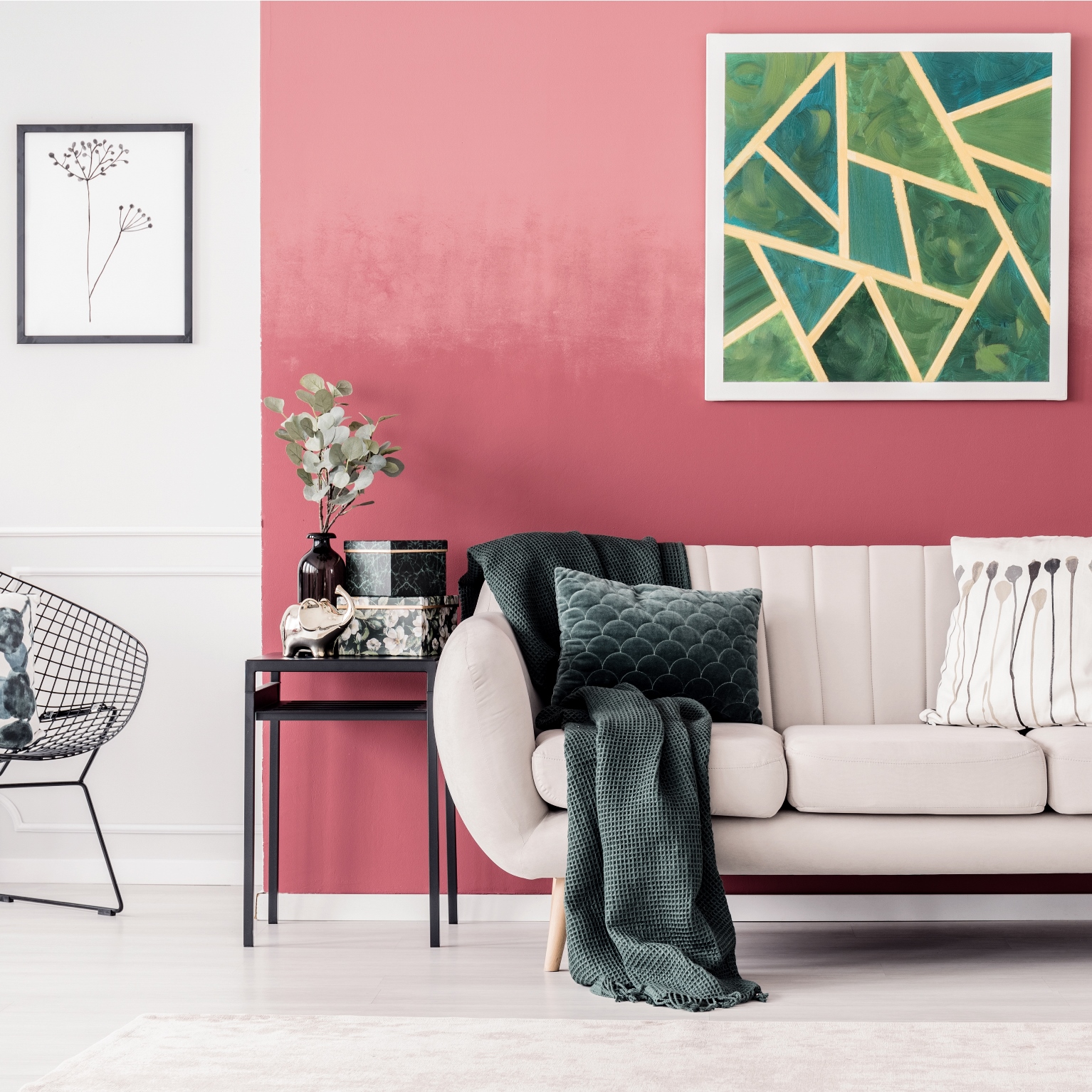
Artwork placement is often the finishing touch of an interior design project, but it can also be one of its most delicate stages. A long-awaited painting delivered with a damaged corner or a sculpture that arrives behind schedule can disrupt the entire project and affect the designer’s reputation. That is why artwork delivery for interior designers requires careful planning and a reliable logistics partner with the right experience, equipment, and ability to meet project deadlines.
Specialized vs. General Carriers
Standard freight companies primarily handle general cargo, while fine art shippers specialize in transporting delicate, valuable, and sometimes oversized objects. Their services may include custom packing and crating, temperature-controlled vehicles, trained art handlers, and on-site placement or installation. However, the available services vary between providers.
As a rule of thumb, general carriers may be suitable for decorative accessories, open-edition prints, and reproductions that do not require specialized handling. Original paintings, valuable sculptures, antiques, and fragile installations are better entrusted to experienced fine art shipping professionals.
Criteria to Check
Use the following criteria to determine whether a provider can meet your expectations for artwork delivery for interior designers.
- Insurance coverage. Ask whether the company offers nail-to-nail coverage, which can protect artwork from the moment it is removed from its original location through packing, transportation, storage, and installation at its destination. Check the policy limits, exclusions, and coverage period rather than assuming that the carrier's liability covers the full value.
- Packing and crating. Find out whether custom crates are built in-house or outsourced to a specialized workshop. Ask about the materials and protective methods used for different types of artwork.
- Condition reporting. A professional shipper should photograph an item's condition before transportation and upon delivery. These images create a useful visual record for identifying changes and supporting potential insurance claims.
- Temperature control. Paintings, works on paper, and photographs can be sensitive to temperature fluctuations. Ask whether the provider offers temperature-controlled vehicles and what measures are available to protect vulnerable objects during transit.
Beyond these practical considerations, research the company's reputation in the art logistics industry. Client reviews, relevant experience, and references from galleries, designers, or auction houses can help you assess its reliability.
Factors to Prioritize in Artwork Delivery for Interior Designers
The most important considerations when selecting a provider are the artwork's value and fragility, delivery deadlines, site access requirements, and overall cost. Narrow staircases, restricted loading areas, elevator dimensions, and installation requirements should all be discussed before transportation is scheduled.
By including art shipping in the project budget and coordinating delivery from the early stages of interior remodeling, designers can avoid last-minute complications and ensure that every piece arrives when and where it is needed.