

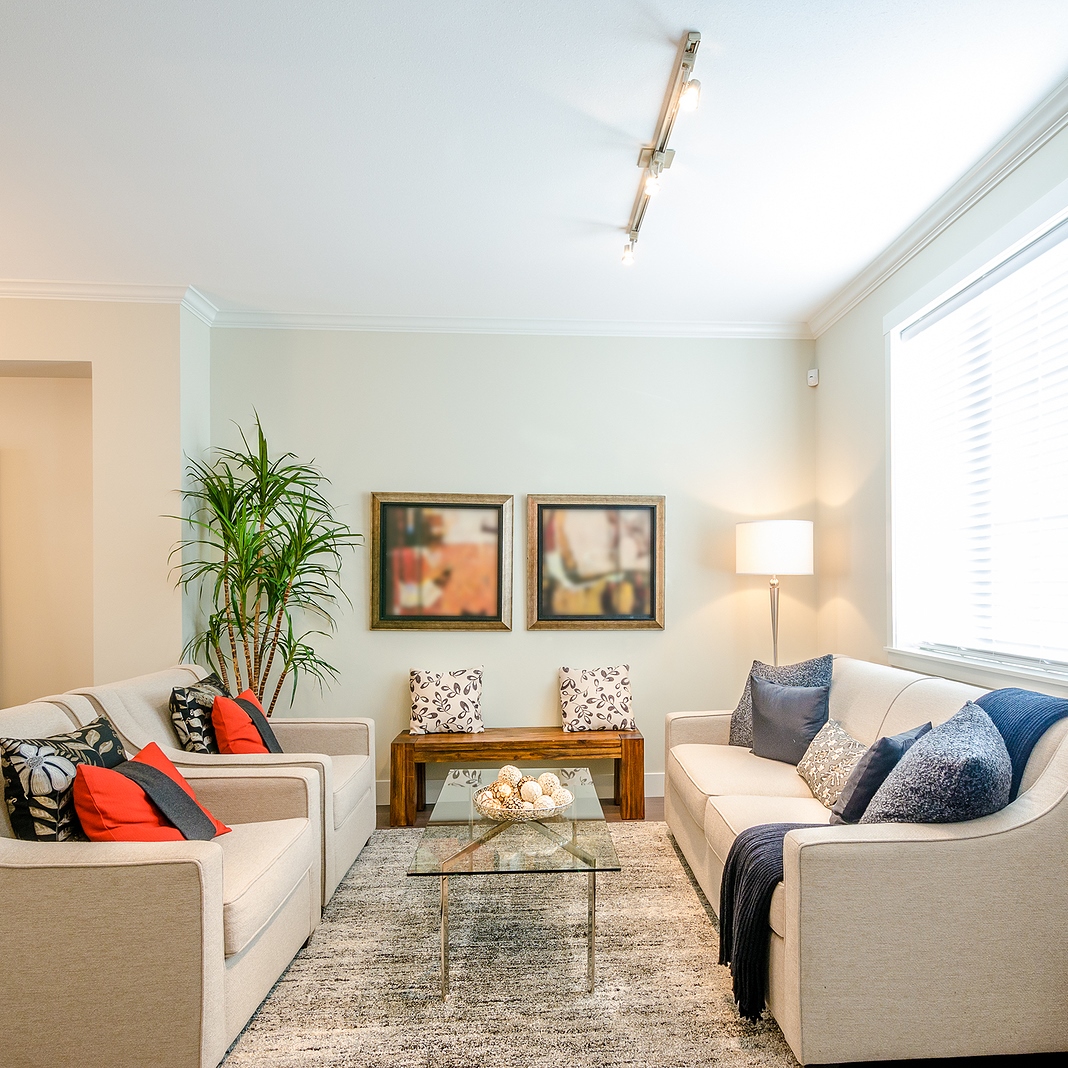
Deciding on a large-scale interior update after a move or wanting to completely rethink your current space with a full home remodel is more than just choosing new wallpaper or furniture. It is the conscious creation of an environment that matches your lifestyle. By avoiding chaotic, piecemeal changes, a comprehensive design approach treats the home as a single ecosystem. Through thoughtful space planning, proper lighting, and a unified style, you eliminate daily discomfort and transform standard square footage into a harmonious space.
The Advantages of a Unified Concept
Historically, homeowners often updated rooms one at a time: first ordering living room furniture, and a year later trying to match textiles for the bedroom. However, planning the entire interior at once yields significantly better results.
- Optimizing logistics and costs: By ordering materials, furniture, and contractor services for the whole house simultaneously, you reduce delivery expenses and avoid constant chaos. Moving into a fully finished and well-thought-out space saves you from living in a state of endless setup.
- Visual cohesion: Rooms decorated at different times often resemble disconnected puzzle pieces. Comprehensive design establishes a shared visual language. Flooring transitions become seamless, the color palette logically continues into every room, and lighting temperatures remain consistent.
The Role of Lighting and Smart Technology
A truly comprehensive design doesn't stop at physical furniture and paint colors; it seamlessly integrates modern technology and layered lighting. Moving into a newly updated home presents the perfect opportunity to implement smart home systems that effortlessly control climate, security, and window treatments. Thoughtful lighting design—combining ambient, task, and accent fixtures—can dramatically alter the mood and perceived size of a room. By planning these electrical and technological upgrades early in the design process, you completely avoid the need to run unsightly cables or open up freshly painted walls later down the line.
Stages of Implementing a Design Project
Managing a complete interior overhaul requires a structured approach to ensure the moving and setup process is stress-free.
- Space audit and planning: Assessing available areas, taking precise measurements, and zoning. Determining the optimal furniture layout for maximum functionality in each room.
- Concept creation: Developing mood boards, approving a unified style, color palette, textures, and materials that harmoniously connect all areas of your home.
- Procurement and logistics: Compiling clear specifications for furniture, lighting fixtures, and decor. Coordinating delivery schedules so all elements arrive in time for assembly.
- Installation and decorating: Final furniture placement according to blueprints, hanging textiles, and arranging accent decor to give the space a finished look.
Personalizing Your New Environment
While a unified aesthetic provides a clean and structured foundation, a house only truly becomes a home when it reflects your unique personality. After the heavy lifting of a renovation or a major move is complete, the final layer of interior design focuses on personalization. This involves thoughtfully integrating family heirlooms, curated art collections, and meaningful souvenirs into the new aesthetic. A professional design plan leaves deliberate "breathing room" for these personal items, ensuring they serve as beautiful focal points rather than feeling like cluttered afterthoughts in your newly organized space.
Budget Planning and Contingency Funds
Financial clarity is crucial. Budgets most often spiral out of control due to unrealistic expectations or spontaneous purchases during project execution.
Even with the most accurate calculations, unpredictable situations can arise: customs delays for shipments, a chosen fabric being discontinued, or the need to adapt furniture to uneven walls. Maintaining an unallocated reserve of 15–20% of the total budget ensures these issues are resolved quickly without compromising the quality of your chosen solutions. All changes to the initial plan must be documented in writing so you always control the final cost.
A meticulously planned interior design is a long-term investment in your comfort and emotional balance. Thanks to proper zoning, durable materials, and a cohesive aesthetic, your new home will be adapted to the modern pace of life and will provide coziness for years to come.