

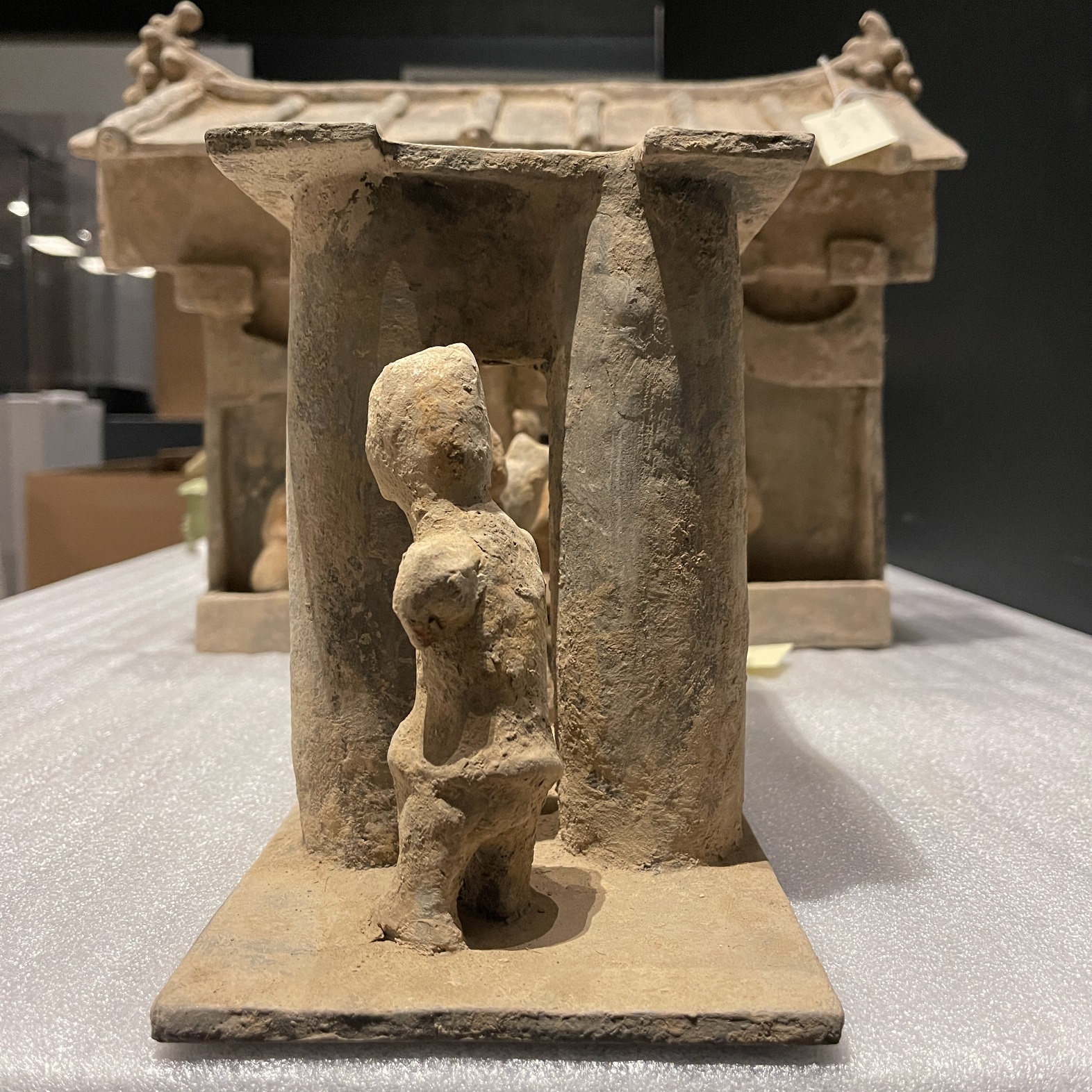
Art handling for fragile materials is one of the most demanding responsibilities in museums, galleries, and private collections. When working with centuries-old ceramics, delicate works on paper, or unstable mixed-media sculptures, the margin for error is virtually nonexistent. Even a minor oversight can result in irreversible damage that goes far beyond financial loss.
To mitigate these risks, it is essential to follow specialized handling techniques tailored to the unique vulnerabilities of each artwork.
Assessing Before Touching
The first and most critical rule of fragile art handling sounds quite obvious but bears lots of wisdom: never touch an object before you have fully assessed it. Art handlers may request a condition report if it’s available or examine the piece visually to identify its structural vulnerabilities and develop a handling strategy.
Keeping Art in the Right Environment
Environmental control is part and parcel of expert-grade art handling. All handling procedures should be executed in a space with stable temperature and humidity conditions, after all vibration sources are eliminated. It’s also vital to ensure adequate but non-glare lighting and the absence of unnecessary objects in the workspace.
Personal Preparation
Art handlers are often instructed to wear clean, powder-free nitrile gloves. Yet, handling glazed ceramics or glass with gloves adds risk rather than removing it. In these cases, approaching the art object with clean, bare hands is recommended for minimal risk of damage. Cotton gloves are also sometimes used for handling fragile artwork, but they may add the risk of snagging on delicate surfaces.
Lifting, Moving, and Supporting
Art handling for fragile objects presupposes their support from the most stable structural point. Such artwork can never be lifted by handles, spouts, protruding limbs, or frames. The team must ensure that the path is clear before lifting the object for its relocation across the room.
Safe Packing and Storage
Even the safest and most professional art handling procedures can be ruined by poor packaging. Fragile objects require thorough cushioning on all sides using archival-quality foam or tissue, which will prevent shifting. Stacking boxes or crates with fragile artwork is strictly prohibited.
Master Art Handling for Fragile Materials Like a Pro
With these recommendations in mind, you can approach the entire fragile art handling process with confidence and professionalism. The key to safe handling lies in careful pre-assessment and thorough planning—eliminating guesswork and minimizing risk. This approach ensures both peace of mind and reliable protection for your collection.