

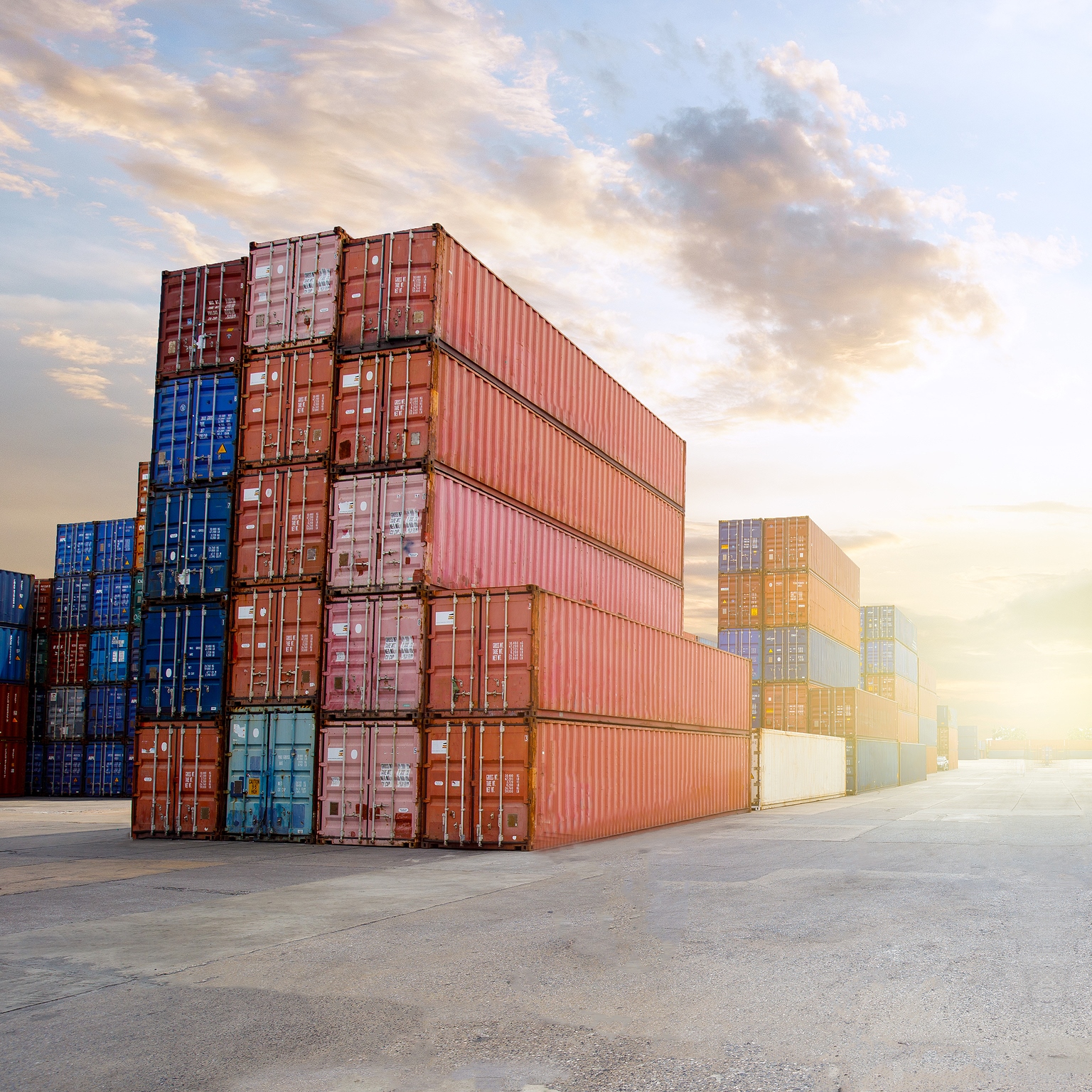
There are over 20,000 incoming maritime shipping containers experiencing delays every single day in the US, and a little over 17,000 leave late due to logistical snarls. Port congestion often gets the blame, but hidden data errors across manifests and customs filings quietly disrupt high-value shipments every hour.
Fine art logistics teams and museum registrars face severe financial risks when priceless masterpieces stall in transit. Misaligned consignee records, inaccurate customs declarations, and faulty address fields create operational bottlenecks that trap delicate cargo in holding facilities.
Implementing rigorous data cleansing protocols stops documentation mistakes before crates ever leave the gallery floor.
1. Eliminating Customs Hold-Ups Through Accurate Consignee Records
Incomplete recipient profile data creates immediate red flags for border protection officers examining cross-border art transfers. A simple spelling error in a corporate entity name or an outdated tax identification number will automatically pause customs processing.
Logistics teams must standardize every contact entry point to keep international shipments moving without friction. Inaccurate records force manual verification procedures that waste valuable hours and increase storage overhead at port facilities.
As ZoomInfo's data cleansing guide reveals, organizations with shipping operations and e-commerce fulfillment teams now use effective data cleaning tools to reduce delays and maximize revenue. From addresses to contacts, these tools help teams purge invalid records and align operational databases before processing international paperwork.
Clean records remove entry barriers so high-value pieces clear port security without unexpected administrative holds.
2. Preventing Document Mismatches in Cross-Border Documentation
Customs officials compare commercial invoices, bills of lading, and CITES permits against digital filings to confirm identity and value. When invoice details contradict the physical manifest, border authorities flag the consignment for physical inspections.
Preventing cross-border documentation errors requires structured data protocols across all logistics channels.
Standardizing Item Descriptions
Describing a masterpiece with generic terms invites unnecessary inspection and regulatory scrutiny. Specific details, including medium, exact dimensions, and artist history, must match across every filing.
Verifying Valuation Entries
Value discrepancies between insurance forms and export declarations trigger instant audits. Accurate monetary figures prevent customs officers from impounding crates for price reassessments.
Aligning Tariff Classifications
Incorrect Harmonized System code entries lead to tax miscalculations and severe administrative delays. Precise classification ensures compliance with international trade regulations across foreign borders.
3. Reducing Risk of Impoundment for High-Value Artifacts
High-value artwork stored in substandard transit hubs faces environmental threats from fluctuating humidity and improper temperature management. When paperwork errors halt movement, crates sit in unconditioned warehouses while brokers attempt to resolve clerical discrepancies.
Customs agencies hold non-compliant shipments until importers provide verified documentation. A minor error in a CITES certificate or export permit can lead to weeks of administrative review. Fine art logistics specialists know that shipping artwork without customs delays depends heavily on verifying compliance metrics long before the artwork arrives at the border.
4. Optimizing Real-Time Freight Tracking and Carrier Coordination
Fragmented logistics pipelines lose visibility when transport management systems rely on corrupted address data or broken contact fields. Driver handoffs fail when automated tracking updates send notifications to inactive email addresses or incorrect phone numbers.
Modern transport networks rely on seamless data integration to maintain end-to-end visibility across global air and sea routes. Emerging industry research shows that compliance now matters more than congestion when evaluating the primary causes of international cargo holds. Accurate spatial coordinates and carrier details ensure art handlers receive real-time updates for sensitive drop-offs.
5. Lowering Unplanned Storage and Demurrage Fees
Border delays trigger compounding financial penalties, including port storage charges, broker inspection fees, and carrier demurrage costs. These unexpected expenses quickly erode project margins for art dealers, auction houses, and corporate collectors.
Clean operational databases ensure logistics managers submit accurate declarations on the first attempt. Industry operational analyses confirm that big data analytics and data management serve as the structural backbone for resilient modern supply chain operations. Eliminating documentation errors protects shipping budgets and keeps delivery schedules on track.
Choosing and Deploying Data Cleaning Software for Art Transport
Selecting the right data cleaning solution requires matching platform capabilities with high-stakes customs data requirements. Look for software that offers real-time field validation, automated duplicate detection, and robust API connectors for freight management systems.
To put it to work, start by standardizing data input protocols across every member of the logistics team.
- Establishing strict naming conventions for artist names, physical dimensions, and CITES permit numbers prevents costly transcription errors.
- Pair internal protocols with automated data hygiene scripts to catch formatting anomalies instantly, ensuring every manifest matches official customs declarations down to the last digit.
- Put up a routine audit schedule to ensure gallery registries and consignee databases remain pristine before any crate moves across international borders.
Strengthening Fine Art Supply Chains Through Data Integrity
Flawless art logistics requires total precision in both physical handling and digital documentation. Standardizing data entry practices ensures every crate moves through international borders without administrative interruptions.
Galleries, museum registrars, and freight coordinators must treat data hygiene as a core operational discipline rather than an afterthought. You can explore internal guides under transport and logistics for more logistics and supply chain management strategies for optimizing international transport workflows.