

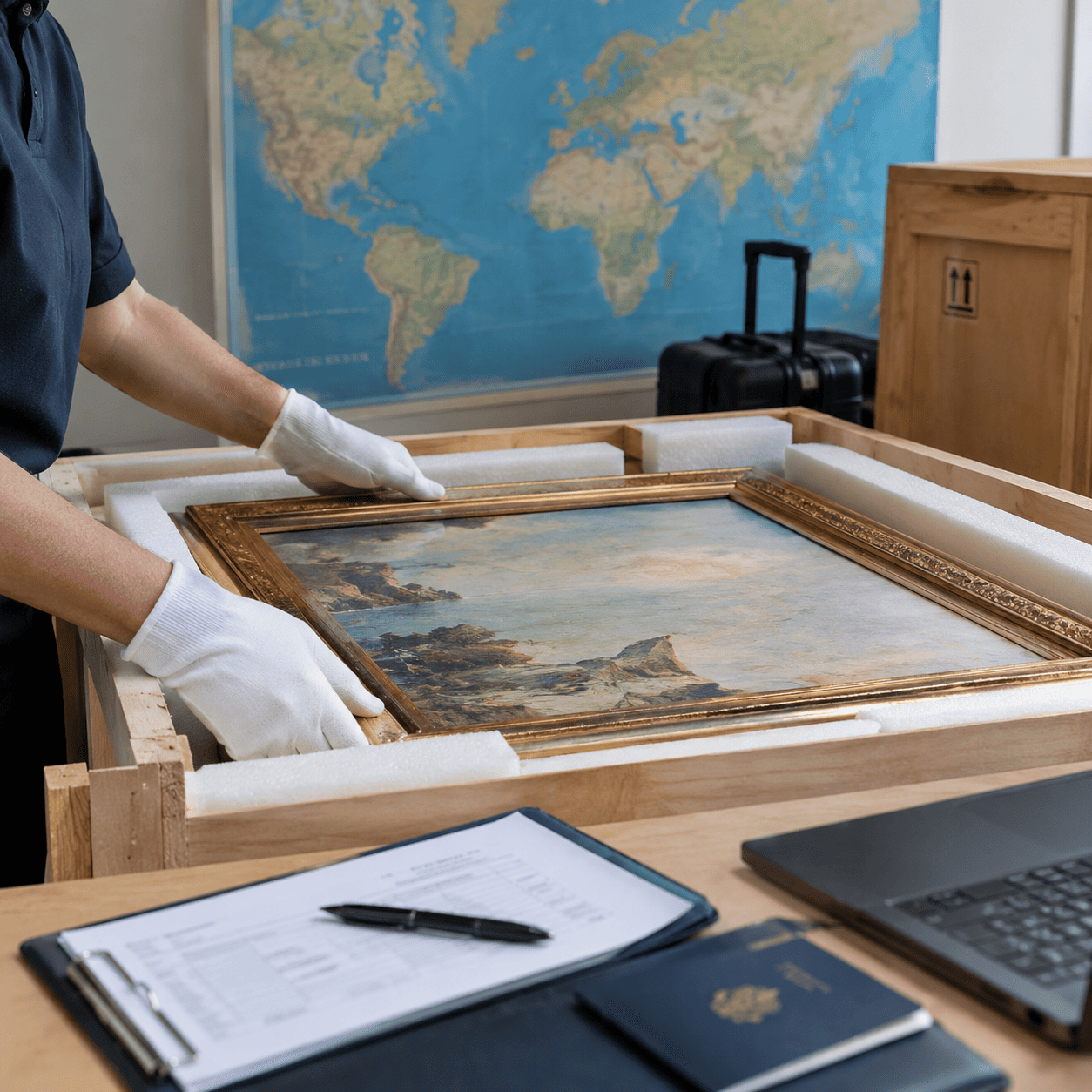
A painting can survive a 5,000-mile journey without a scratch and still get stuck in a customs warehouse for weeks. For galleries, collectors, and artists, such delays can be frustrating and may expose artwork to unnecessary risks. That is why shipping artwork without customs delays is a priority for international art shipments. While customs clearance cannot be guaranteed without delays, careful preparation and professional assistance can help reduce the risk of preventable complications.
What Causes Customs Delays for Art Shipments?
Understanding the common causes of customs delays is the first step toward avoiding them. Typical issues include incomplete or inconsistent documentation, incorrect customs classification, and inaccurate or insufficiently supported artwork valuations. Shipments may also be delayed when restricted materials are not properly declared, cultural heritage regulations are overlooked, or the wrong customs procedure is selected for temporary or permanent imports. Identifying these potential issues before departure can help prevent complications at the border.
How Professionals Can Help
Specialist fine art shippers and customs brokers can help make shipping artwork without customs delays more manageable. Their experience allows them to identify potential issues in advance and coordinate the necessary arrangements for international transportation.
- Preparing accurate documentation. Depending on the shipment, required paperwork may include commercial or pro forma invoices, packing lists, and supporting valuation or provenance documents. Clear artwork descriptions and appropriate tariff classifications also help customs authorities process declarations.
- Checking regulations before departure. Experienced professionals can identify whether a shipment requires CITES permits, cultural property export licenses, or other destination-specific documentation. These requirements should be checked well before the planned shipping date.
- Choosing the appropriate customs procedure. The correct procedure depends on whether the artwork is being sold, loaned, exhibited temporarily, or moved for another purpose. Temporary admission arrangements may be available when eligibility requirements are met.
- Coordinating with customs brokers. Qualified brokers can prepare and submit declarations, communicate with customs authorities, and respond to requests for additional information. Accurate, complete submissions help reduce avoidable back-and-forth.
- Protecting artwork during transit. Professional packing, suitable crating, and appropriate transport conditions help protect artwork throughout the journey. Although these measures cannot prevent customs delays, they can help reduce the risks associated with extended transit or storage.
Each measure contributes to smoother customs clearance and helps artwork move across borders with fewer preventable complications. The exact requirements, however, depend on the countries involved and the characteristics of the shipment.
Shipping Artwork Without Customs Delays Starts with Preparation
Customs delays can be frustrating, but many common causes can be addressed in advance. Accurate documentation, correct classification, realistic valuations, and early regulatory checks all help make international art shipping more predictable.
With over three decades of experience in art logistics, Fine Art Shippers helps clients prepare for international artwork transportation. Working with experienced professionals can make the process more organized and help reduce avoidable customs complications.