

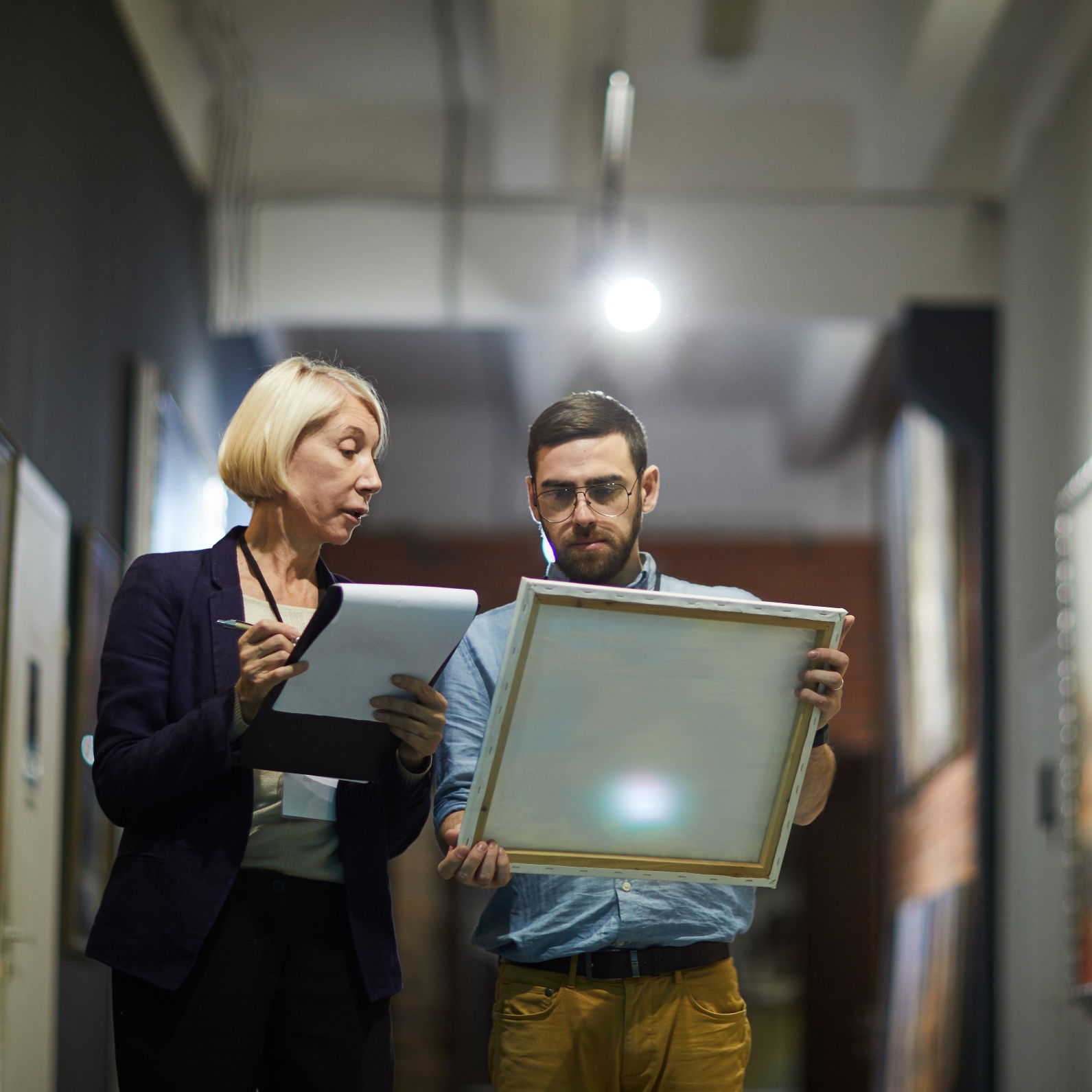
Art collecting is often associated with discovery, taste, and the excitement of acquiring a meaningful object. Yet the long-term value of a collection depends on more than the quality of the works themselves. Documentation connects an artwork to its history, condition, ownership, and movement over time. Without clear records, a painting, sculpture, or antique can become harder to insure, transport, lend, sell, or pass to the next generation.
A reliable documentation system does not have to be complicated. It should make essential information easy to find and update whenever the artwork changes location, condition, or ownership status.
Provenance Gives an Artwork Its Story
Provenance is the documented history of an object’s ownership and custody. It may include invoices, gallery records, auction catalogs, certificates, correspondence, exhibition labels, and photographs. Together, these materials help establish where an artwork came from and how it entered the collection.
Strong provenance can support authenticity and market confidence, while gaps may lead to uncertainty. Collectors should preserve original documents rather than relying only on digital summaries. Paper records can be stored in archival folders, while scanned copies should be backed up in more than one secure location.
Also record the names of previous owners, dealers, galleries, restorers, and institutions connected to the work. Even a minor detail may become important during a future appraisal or sale.
Condition Reports Protect More Than Appearance
A condition report describes the physical state of an artwork at a specific moment. It should note cracks, scratches, stains, fading, loose components, frame damage, previous repairs, and other visible changes. Clear photographs should accompany the written observations.
These reports are especially important before and after transportation. When an artwork moves between a residence, storage facility, gallery, museum, or auction house, the report creates a reference point that helps identify whether any change occurred during transit. Guidance on shipping artwork to auction houses also emphasizes the role of condition records in clarifying responsibility.
Collectors do not need overly technical language. Accuracy and consistency matter more. Describing the same areas in the same order makes later comparisons easier.
Measurements and Materials Prevent Costly Errors
Basic object information should be recorded precisely. This includes the artist or maker, title, date, medium, dimensions, weight, framing method, edition number, inscriptions, labels, and distinguishing marks.
Measurements should identify height, width, and depth, as well as whether dimensions refer to the artwork alone or include the frame. For sculptures and antiques, note detachable parts, fragile projections, unusual surfaces, or materials sensitive to moisture and temperature.
These details guide decisions about packing, doorway clearance, vehicle size, crate design, display hardware, and storage configuration. An incorrect measurement can lead to delays, unsuitable packaging, or unsafe handling. Standardized records help everyone involved plan with fewer assumptions.
Movement Records Create a Clear Chain of Custody
Every relocation should be entered into the collection file. A movement record can list the date, origin, destination, purpose, responsible parties, transportation method, and expected return date. Loan agreements, shipping documents, customs forms, and delivery receipts should be kept with the same file.
This practice becomes increasingly valuable as a collection grows. Owners may remember where a few works are located, but dozens or hundreds of objects require a dependable system. Museums use accession and location controls for this reason, and private collectors can adopt a simpler version of the same discipline.
Before international transport, documentation should be reviewed alongside packing requirements. A guide to packing artwork for international shipping explains why condition checks, customs paperwork, and protective materials should be planned together.
Digital Catalogs Make Collections Easier to Manage
A digital catalog can organize records, images, valuations, insurance details, and location histories in one searchable place. The system may be a specialized collection-management platform or a structured spreadsheet, depending on the collection’s size and complexity.
Each artwork should have a unique identification number. File names should follow a consistent format so photographs and documents remain connected to the correct object. When writing descriptions, a word counter can help maintain comparable record lengths, but completeness should never be sacrificed for uniformity.
Digital convenience must be supported by security. Use strong passwords, limit access, create regular backups, and keep at least one copy separate from the primary device. Sensitive records such as valuations, addresses, and ownership documents should not be stored in an openly shared folder.
Documentation Should Evolve with the Collection
Collection records are not finished after an acquisition is cataloged. They should be updated following conservation work, reframing, appraisal, exhibition, damage, relocation, sale, or inheritance planning. An annual review can reveal missing photographs, outdated valuations, expired insurance information, or objects whose locations have changed.
Good documentation supports practical decisions while preserving cultural context. It allows conservators to understand earlier treatments, helps shippers prepare correctly, gives insurers clearer evidence, and enables future owners to appreciate the history attached to each object.
The most effective system is the one a collector will maintain. Clear, consistent records turn a group of valuable objects into a well-managed collection whose stories, condition, and significance can be protected for years to come.