

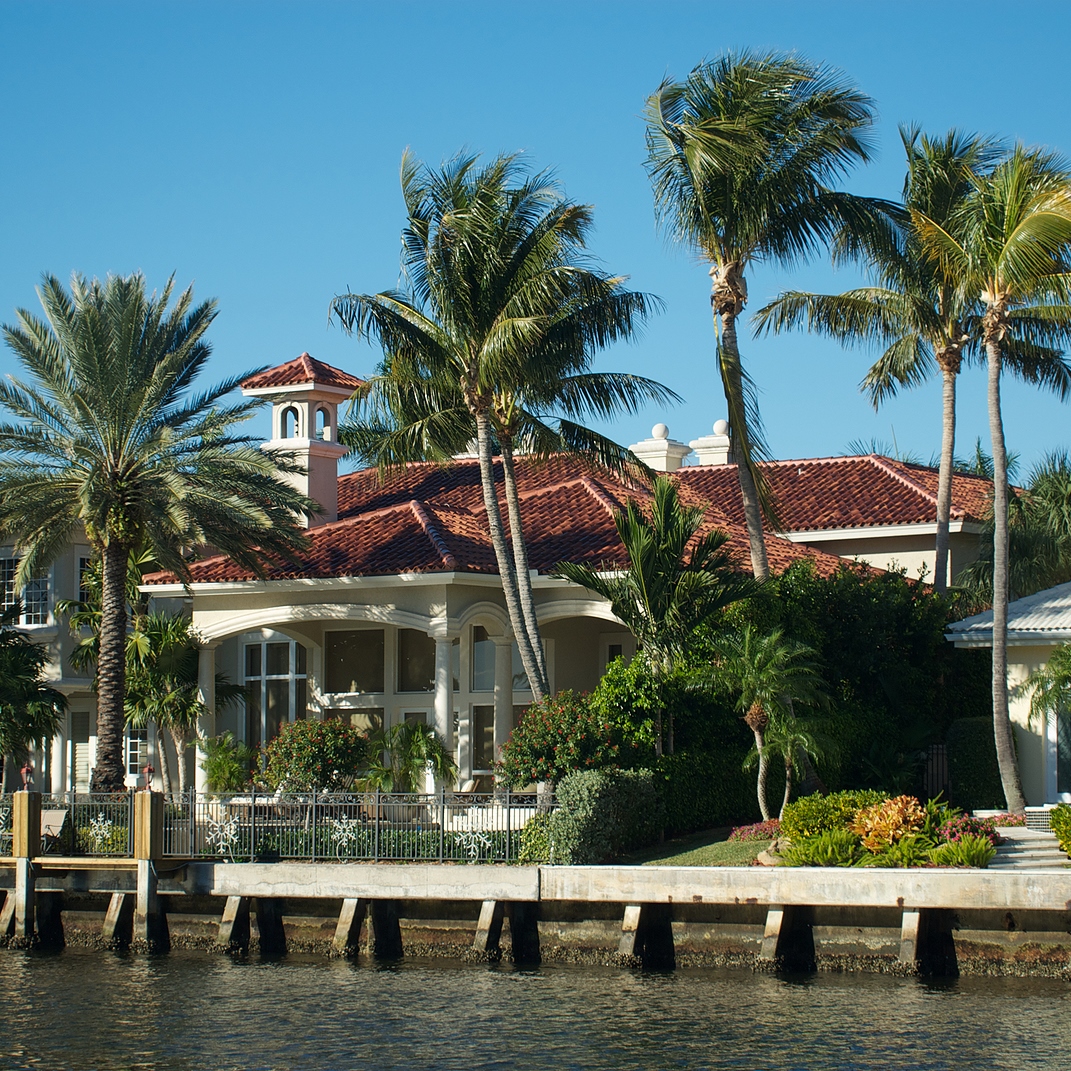
Life near Florida’s coast looks perfect from the outside: warm breezes, palm trees, turquoise water, and sunsets that feel like a reward at the end of each day. But choosing a coastal lifestyle isn’t only about falling in love with a view. It comes with responsibilities, hidden costs, lifestyle adjustments, and long-term planning. Understanding these factors can help newcomers make the right decision and fully enjoy everything coastal living offers.
Below is a deep dive into what it truly means to settle near Florida’s shoreline, from home maintenance to community culture and storm preparedness.
Considering the Financial Side of Coastal Living
When people imagine living by the water, they often picture peaceful morning walks, the smell of salt air, and easy access to outdoor adventures. What they may not picture as clearly are the financial realities. Coastal properties often come with higher insurance premiums, especially for flood, hurricane, and wind coverage. Even if a home was built to withstand storms, insurers evaluate risk differently, and prices follow accordingly.
Maintenance costs also rise in coastal regions. Salt and humidity can wear down metal fixtures, outdoor furniture, railings, and even vehicles faster than in inland areas. Homeowners need to budget for more frequent repairs and replacements, sometimes on an annual basis, just to keep things functioning properly. Understanding these expenses ahead of time helps buyers prepare their finances and avoid surprises once they settle in.
Despite these added costs, many residents believe the trade-off is worthwhile for year-round sunshine, mild winters, and numerous recreational opportunities.
Understanding Weather Patterns and Storm Preparedness
Moving near Florida’s coast means learning to live with unpredictable weather. Most days are sunny, warm, and serene, but hurricanes, tropical storms, and strong winds are part of the regional climate. Homebuyers should research evacuation routes, local emergency systems, and the resilience of the home’s construction.
Newer homes are often built with impact-resistant windows, reinforced roofs, and elevated foundations. These additions can significantly reduce storm damage and insurance claims over time. Even so, it’s important for future residents to create a storm plan, gather supplies before hurricane season begins, and stay informed through local authorities.
Many locals will tell you that preparation becomes second nature. Over time, you learn which forecasts to take seriously and which storms are likely to pass with little impact. Still, responsible planning makes a big difference in how smoothly you can respond when the weather changes quickly.
Waterfront Access and Property Enhancements
Living near the coast doesn’t always mean having direct water access, but for many residents, that’s exactly what they’re looking for. Homes along canals, bays, or open Gulf waters tend to attract buyers who enjoy boating, fishing, kayaking, or simply sitting on their dock with a cup of coffee in the morning.
In neighborhoods where boating is part of the daily routine, homeowners often rely on trusted local experts when building or upgrading waterfront structures. Many residents seek professional support from dock builders in Cape Coral as they look for durable materials and designs that handle both weather changes and frequent use without compromising safety or aesthetics.
Residents quickly learn that strong construction matters. Water levels fluctuate, tides shift, and storms can easily damage poorly built docks, lifts, or seawalls. Investing in quality structures not only protects the property but also enhances the overall coastal lifestyle.
Navigating Community Culture and Lifestyle Adjustments
Coastal towns in Florida often attract a blend of retirees, seasonal visitors, long-term locals, and remote workers. This combination creates a unique cultural rhythm. Some months feel lively and social, especially during peak tourist season, while others are quieter and more relaxed.
Before choosing a specific area, it helps to visit it during different times of the year. Winter may bring bustling beaches and busy restaurants, whereas late summer can feel almost empty as temperatures rise and visitors return home. Families should also explore school districts, nearby parks, sports programs, and community events to see how well the lifestyle fits their needs.
Social life tends to revolve around outdoor activities — paddleboarding at sunrise, sunset barbecues, neighborhood boat outings, and weekend beach gatherings. If you love spending time outside, you’ll likely adapt quickly and enjoy every season.
Evaluating Long-Term Home Value
Coastal real estate often maintains strong long-term value, especially in desirable regions with steady population growth. Florida remains one of the most appealing relocation states in the US, which contributes to rising demand for homes near the water. While this can drive up purchase prices, it also strengthens resale potential.
Buyers should pay attention to future development plans, zoning changes, and infrastructure projects. A peaceful shoreline today may look different in ten years, depending on the area’s growth. Some people prefer established neighborhoods with consistent property values, while others embrace up-and-coming areas with more affordable entry points.
Waterfront homes typically maintain the highest demand, especially if they offer boating access or scenic views. These factors often outweigh concerns about maintenance or insurance in the eyes of buyers who prioritize lifestyle over cost.
Exploring Environmental Factors and Sustainability
Coastal ecosystems are incredibly delicate, and living near them means understanding your role in preserving their health. Residents must be mindful of water pollution, erosion, wildlife protection, and sustainable landscaping choices.
Local regulations often restrict certain materials or building methods to prevent environmental harm. These regulations may influence how homeowners design porches, docks, seawalls, and outdoor spaces. While some buyers see these rules as limiting, they are essential for protecting natural habitats like mangroves, wetlands, and coral reefs.
Many homeowners embrace sustainability through rainwater collection systems, native plants that require less water, and eco-friendly shoreline enhancements. Living near nature often inspires residents to protect it.
Conclusion
Even with its challenges, coastal life near Florida provides countless rewards. Warm weather makes it easy to stay active year-round. Beaches are available for sunrise walks, afternoon swims, and family outings. The sound of waves can feel therapeutic after long days, and natural beauty becomes part of everyday life.
Most residents say that once they adjust to the rhythm of coastal living — preparing for storms, budgeting for maintenance, and embracing outdoor activities — they can’t imagine living anywhere else. It’s a lifestyle built around relaxation, sunshine, and a connection to the water.