

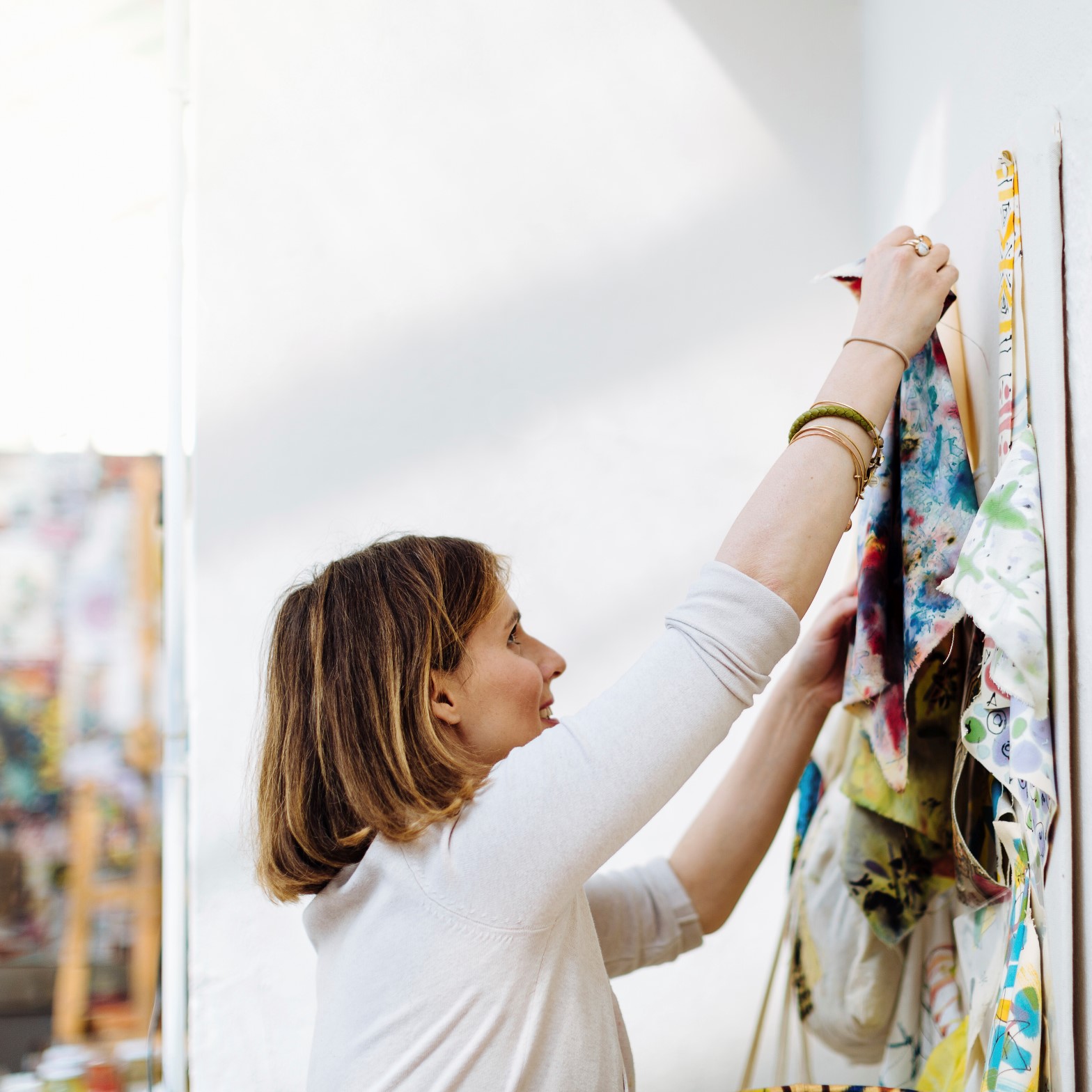
Artwork can be particularly vulnerable when it is being moved, making the installation and deinstallation of exhibitions equally important for artwork safety. Fatigue, tight deadlines, and a half-empty gallery can create opportunities for inattention or a careless move. Yet, the consequences of underestimating these risks can be significant. Here is a simple, easy-to-follow deinstallation process that can help keep artwork safe.
Deinstallation of Exhibitions Step by Step
Plan and Run Checks First
Deinstallation begins long before the exhibition’s doors close. The registrar, conservator, and lead art handler coordinate the schedule, artwork removal order, and each object’s destination. The team confirms every artwork’s shipping requirements, such as the lender’s request for courier service or crating needs, in advance. An outgoing condition report is completed before the artwork leaves the wall, documenting its condition for the owner’s records. Condition reporting is an important part of documenting artwork as it changes location or custody.
Prepare the Space and Tools
The gallery should be closed to the public during deinstallation, and unnecessary furniture or accessories should be removed from the work area. Padded blocks, clean trolleys, ladders, and lifts should be brought into the gallery and checked before use. Loading pathways should remain clear of cables and debris. The team lead briefs art handlers on the procedure, and roles are confirmed before the first move.
Remove the Work from Walls and Plinths
Security fixings are removed first, with screws and other hardware placed in labeled bags. Framed artworks should be lifted carefully, with support from the sides and bottom. Large paintings and panels may require two or more people to move them safely, while specialized equipment may be needed for particularly large or heavy works. Sculptures and vitrines should be released from their mounts by trained art handlers or other appropriate specialists. Glass should never be leaned against a wall without adequate protection.
Pack, Crate, and Document Artwork
Deinstalled artworks should return to their original crates whenever possible and be packed according to the original packing method. Glazing and vulnerable surfaces should be protected according to the conservator’s guidance, with appropriate tissue, foam, and soft wrapping materials used for the individual artwork. The packing process should also be documented so the work can be safely unpacked and handled at its destination.
Restore the Gallery Interior
The gallery’s reset can begin once the artwork has been safely removed. Wall text and vinyl are taken down, holes are filled and sanded, and walls are repainted or otherwise prepared for the next exhibition.
Deinstallation is the least visible but no less important part of the exhibition pipeline. This is where professionalism shows most. Art handlers must exercise patience, effective communication, and respect for each object to keep the deinstallation of exhibitions safe.