

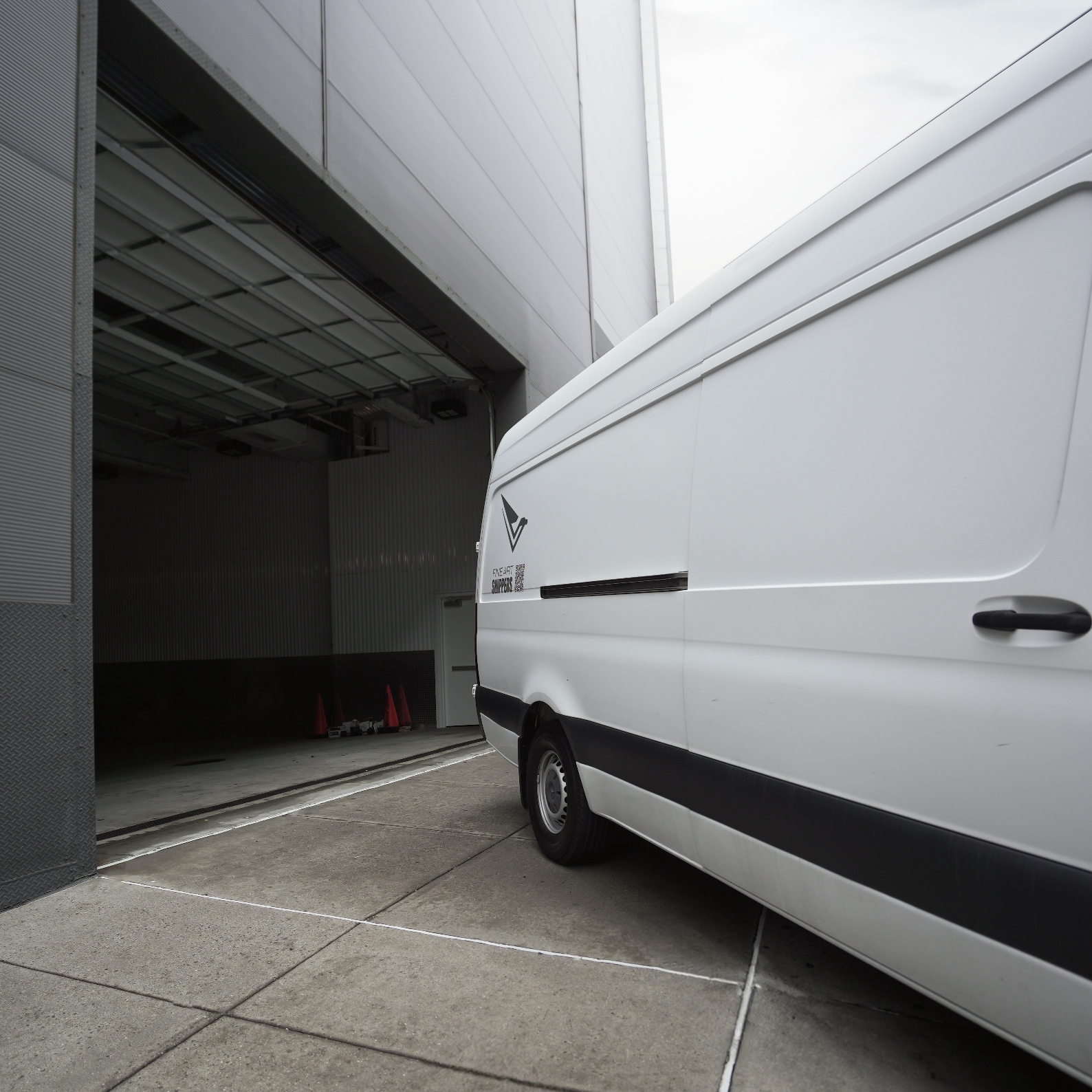
When entrepreneurs start thinking about launching a company that provides art transport services, they may fail to grasp the complexity of the qualifications required for success in this niche. For many, fine art logistics is simply about buying a truck and getting some specialized equipment. However, in reality, organizing an art shipping process is way more comprehensive and goes far beyond moving an art object from point A to point B.
How to Launch a Company Providing Art Transport Services?
Market Understanding
The secret recipe for any business success is to understand the market you’re going to enter. There are no bulletproof business niches, and each entrepreneur’s revenue depends only on the degree of investment of time, effort, and expertise in business development. You need to choose your target audience, such as private collectors or art institutions, and develop your USP with your client in mind. It also makes sense to decide whether you will work locally, domestically, or internationally; even if you start small, your development roadmap should set mid-term and long-term goals.
Core Competencies for Art Logistics Business
Both business owners and team members who will provide art transport services have to possess a solid degree of art handling knowledge and technical proficiency in packing, crating, and damage identification. Risk and liability awareness are also at the heart of the fine art logistics business. Force majeures and insurance issues may happen at any moment, and the business owner needs to know how to handle them compliantly and professionally.
Equipment and Infrastructure
The main capital investments include vehicle and warehouse equipment purchases. Art shuttles should be temperature-controlled and equipped with alarms and GPS trackers. Internal lashing systems and air-ride suspension also make a difference. If you start a business on a limited budget, leasing may be a better option than a purchase.
Packing materials are also not an appropriate category for saving costs. They should be top-quality, archival materials with proven durability and safety parameters. Wrapping that comes into contact with artwork should be acid-free, crates should be fabricated using durable wood or plywood, and travel frames should be designed specifically for art transportation.
Investment in Personnel
Finally, business success in fine art logistics hinges upon the owner’s ability to recruit experienced, well-trained art handlers. Such people can build a reliable team that will cause no reputational trouble or financial risks. However, be ready for this long and rocky path since it requires stress resistance and professionalism in communication.