

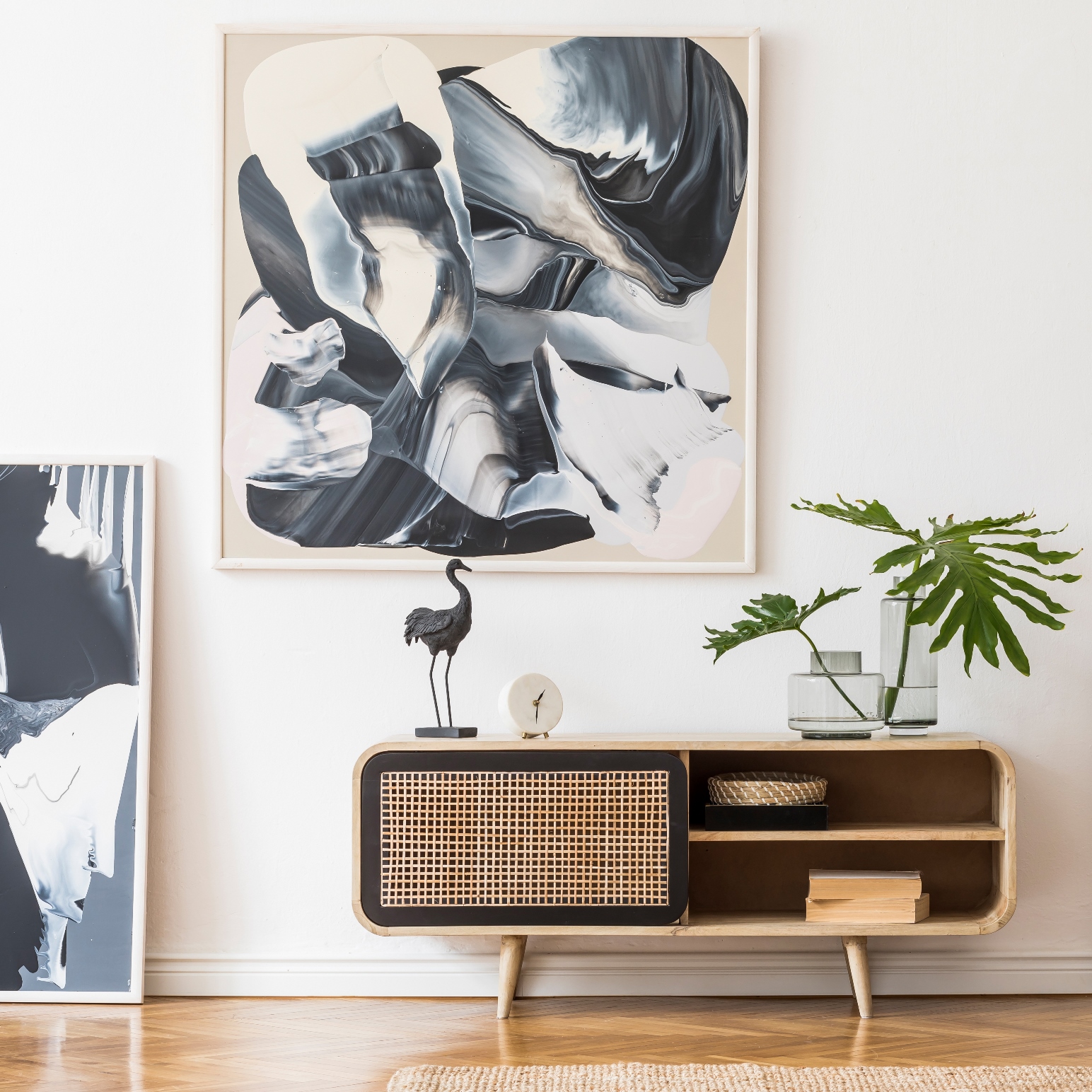
Buying a home when you own valuable art involves a different set of priorities. A dramatic wall of windows may look spectacular in a listing, but what will direct sunlight do to a painting displayed nearby? An expansive open-plan living room offers plenty of wall space, but does it provide the right lighting and environmental conditions for delicate works?
Whether a collection consists of paintings, photography, sculptures, limited editions, or pieces acquired over many years, the home effectively becomes part living space and part private gallery. The best property is therefore not simply the one with enough walls. It is the one that allows art to be displayed beautifully while making its long-term care easier.
Natural Light Is Beautiful, but Control Matters More
Natural light is usually considered an advantage in residential real estate. For an art collector, however, the question is not simply how much light enters a room, but how easily that light can be managed.
Large windows can make paintings and sculpture look spectacular during certain hours, but continuous direct sunlight may be unsuitable for sensitive works. A home with blinds, shades, curtains, UV-conscious glazing, or other methods of controlling exposure provides much greater flexibility.
Orientation matters as well. Before deciding where an important work will hang, observe how sunlight moves through the room during the day rather than judging the space during a single viewing.
This does not mean collectors need dark interiors. Indirect daylight can create beautiful viewing conditions. The goal is to have control, allowing the home to remain bright while giving individual works appropriate placement.
Large Walls Need the Right Architecture Around Them
Wall space becomes surprisingly valuable once an art collection starts growing. Yet, total square footage does not tell the entire story.
A large wall interrupted by switches, thermostats, vents, built-in shelving, or multiple doorways may offer less usable display space than a smaller uninterrupted surface. Ceiling height can influence the scale of work that feels appropriate, while long sightlines can give major pieces room to be appreciated from a distance.
Luxury condos can be particularly interesting because they often combine expansive glazing with clean contemporary interiors. Buyers exploring One88 Bellevue condos for sale can see an example of a modern Bellevue building characterized by floor-to-ceiling glass and upscale interiors, the kind of environment where collectors would want to think deliberately about the relationship between views, available walls, and art placement.
For a serious collection, it can be useful to mentally place existing works during a property viewing rather than assuming suitable locations will appear later.
Climate Control Becomes More Than a Comfort Feature
Most buyers evaluate heating and cooling according to personal comfort and energy costs. Art owners have another reason to pay attention: the indoor environment surrounding the collection.
Large fluctuations in temperature and humidity can be undesirable for many materials. Paint, canvas, paper, wood, textiles, and other components can respond differently to environmental changes, making stable indoor conditions particularly valuable.
A dependable HVAC system therefore deserves closer attention. Collectors with especially sensitive or significant works may also want professional advice about monitoring humidity and creating suitable conditions for particular pieces.
This is another reason basements, garages, attics, and other seemingly convenient storage locations should not automatically become art-storage areas. A space that is perfectly acceptable for household belongings may experience environmental conditions that make it inappropriate for valuable works.
Lighting Should Work After the Sun Goes Down
A collection deserves to look good at night, as well as during daylight hours.
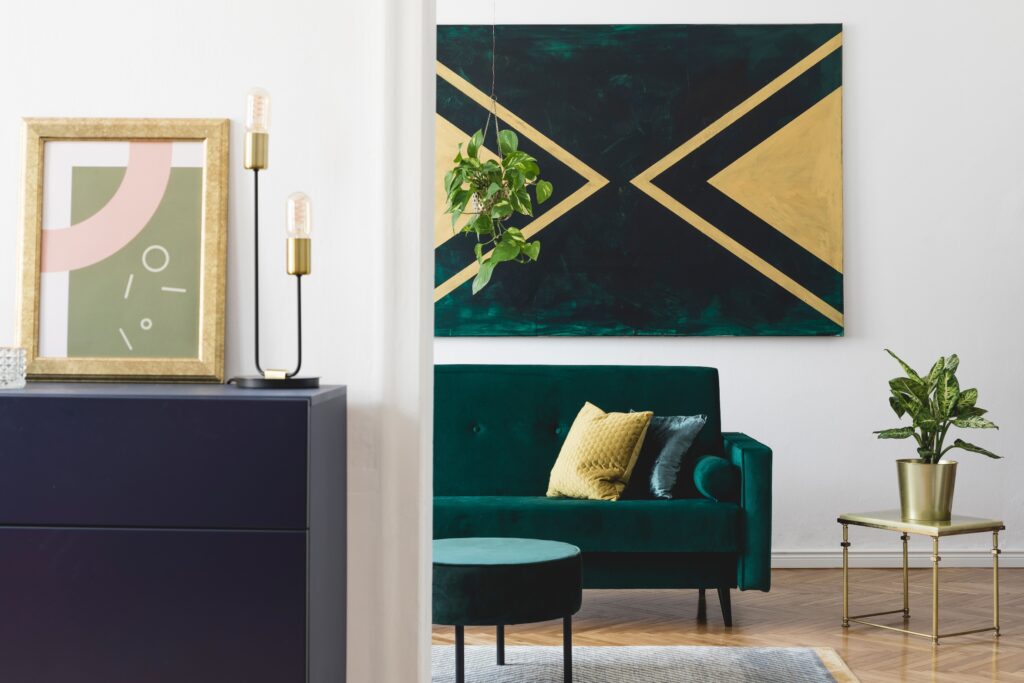
One central ceiling fixture rarely provides enough flexibility. Layered lighting allows a room to perform several functions while giving individual artworks the attention they deserve. Adjustable ceiling fixtures, track lighting, wall lighting, and carefully positioned lamps can all contribute.
Flexibility becomes especially important as a collection changes. A small painting may eventually be replaced by a much larger work, or several pieces may be rearranged after a new acquisition. Adjustable lighting prevents every change from becoming an electrical project.
Color rendering deserves consideration too. Lighting can significantly influence how colors appear, so a beautiful painting under inappropriate artificial light may look noticeably different from the way the artist intended.
The ideal system illuminates the work effectively without making the home feel like a commercial exhibition space.