

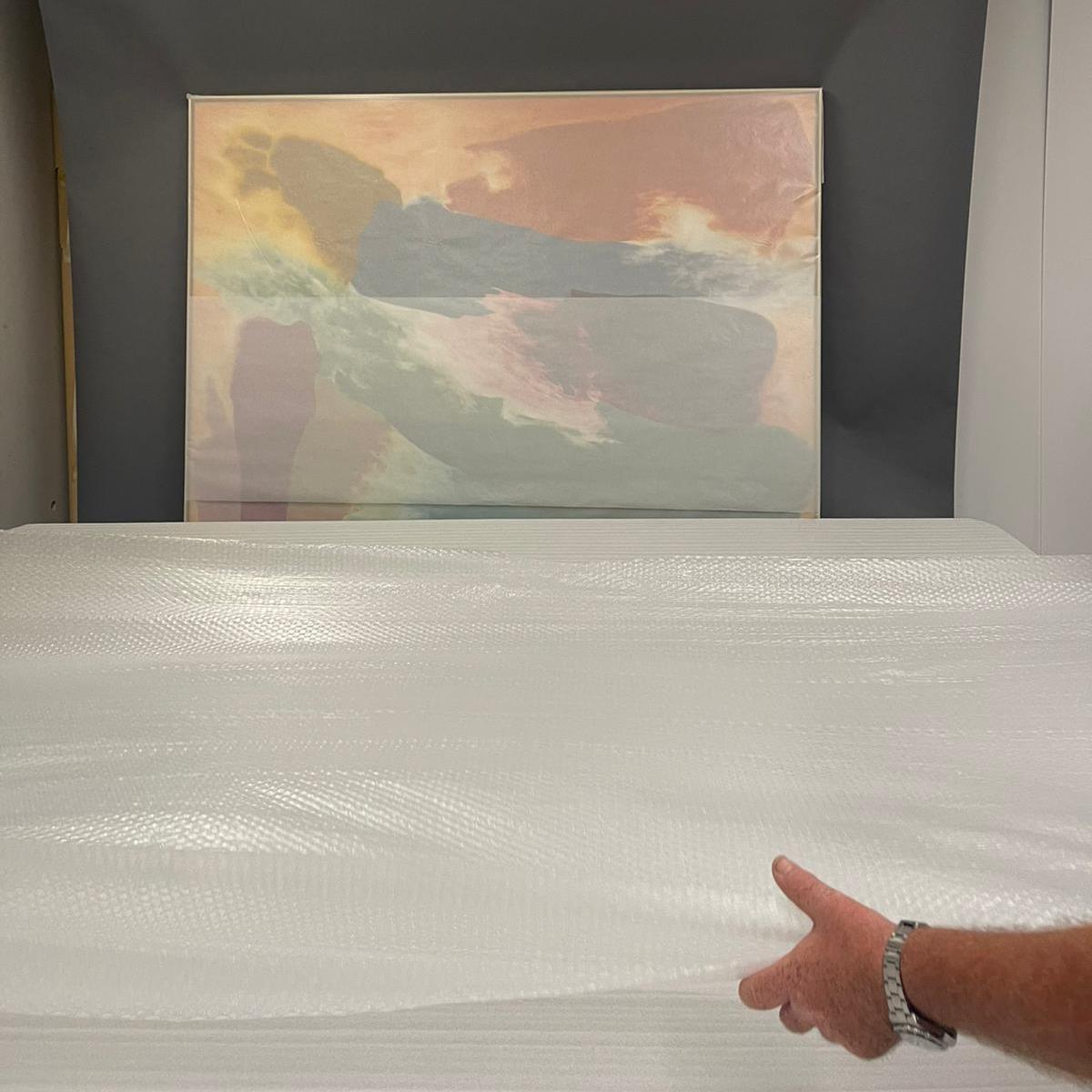
When shipping a canvas painting, you must take care of surface protection first. Professional art shippers take all types of precautions to exclude the risk of scratches, scuffs, and pressure marks on the paint layer. Yet, moisture control is another vital security dimension. If the artwork is excessively packaged or if packing materials are improperly selected, moisture accumulation may be as damaging as physical impact. Use expert tips outlined below to balance surface protection and breathability when packing your art for transportation.
Shipping a Canvas Painting: Addressing Sensitivity
Those who deal with canvas paintings know that this type of art is a flexible structure composed of multiple reactive layers. Fabric support, ground, paint, and sometimes varnish contract and expand at their own rates, resulting in multiple risks of canvas instability. Besides, when shipping a canvas painting over a long distance, it may move between different environments, experiencing temperature and humidity changes.
If some amount of moisture is trapped during packing, these changes can cause unwanted condensation and weaken interlayer adhesion. That’s why both comprehensive surface protection and wisely organized moisture control are vital at the packing stage.
Suitable Surface Isolation Materials for Canvases
The rule of thumb is to apply non-adhesive, breathable interleaving layers to isolate the canvas’s surface from other packaging materials. The museum-grade standard is glassine or archival tissue paper; both options are breathable and come with zero risks for the delicate paint surface. They allow limited air exchange and prevent moisture buildup inside the packaging during storage and transportation.
Moisture Control without Artwork Sealing
Some shippers use complete vapor barriers inside the packaging containers and crates to enhance climate control during long-term shipping or cross-border transportation. However, this option is not universally suitable for all kinds of art, as fully sealing a canvas may trigger moisture accumulation. Humidity control with desiccants or additional monitoring of conditions inside the container helps ensure the absence of harmful condensation.
Thus, if your shipment is brief and domestic, it’s safer to opt for a breathable packing system. You can use surface isolation and then apply padding that allows gradual air exchange. This way, your packaging factors in the need for environmental adaptation instead of blocking all environmental factors and creating a fully insulated environment inside the shipping container. The second option, though it seems to be a more robust protective approach, can accelerate internal decay processes and harm the canvas painting.