

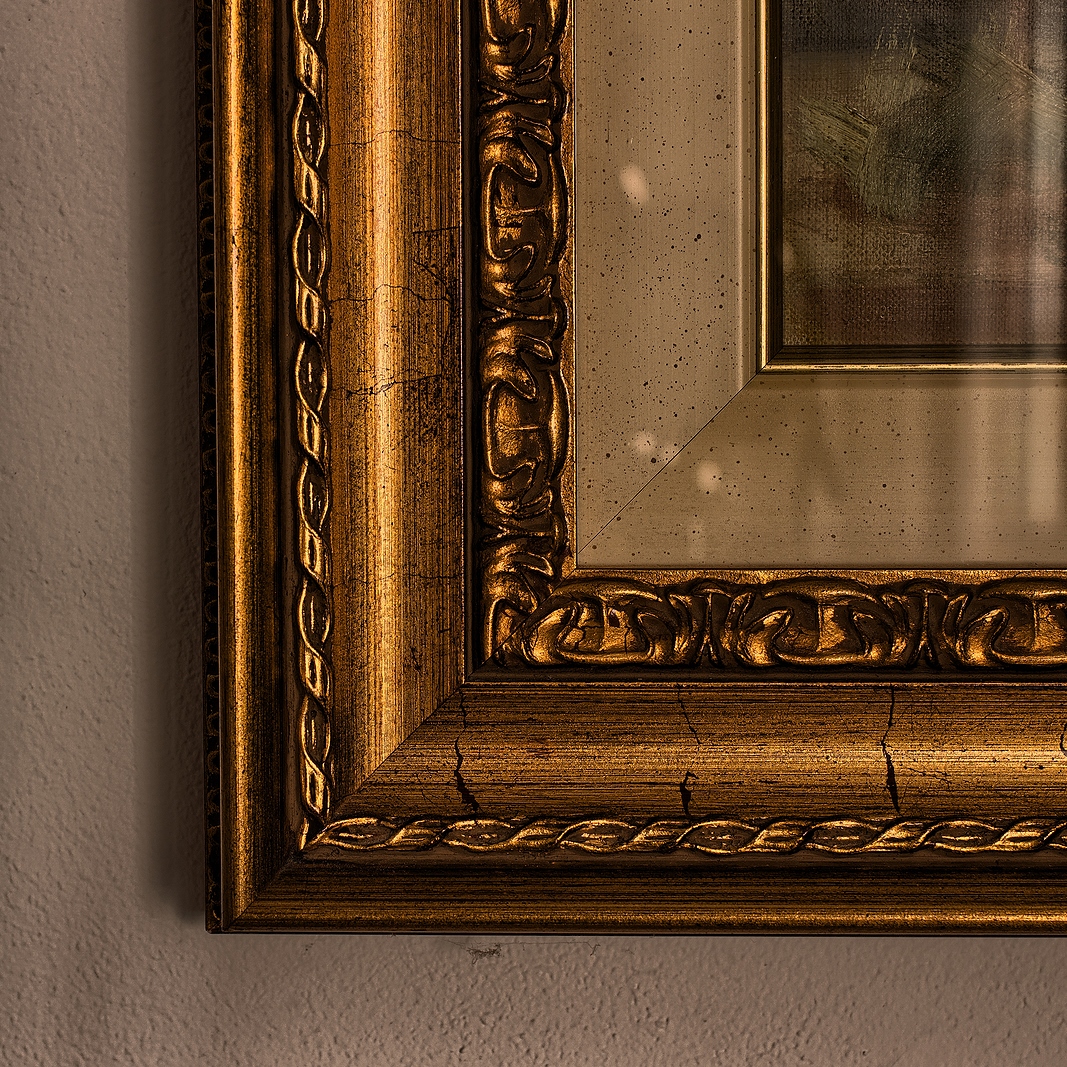
A statistical fact: most cases of damage to framed paintings relate to corner damage, resulting from accidental drops and edge impacts. That’s why corner protection matters a lot when you’re packing a painting for shipping. This article explores why corners fail first and offers workable packing tips to maximize the protection of your art in transit.
Why Are Corners Vulnerable to Damage?
The risk of corner damage comes from the nuances of framed art’s structure and reaction to stress. Boxes are often tilted, stacked, or slid during transportation, even if they come with “Fragile” labels, and the force resulting from external impact typically concentrates at the edges and corners. If the painting is framed, stress transfers into the frame’s joints, with cascading damage resulting from impact absorption. For this reason, corner protection is one of the key stages of packing a painting for shipping, designed to ensure that the most fragile point is properly secured.
Choose Corner Protectors Wisely When Packing a Painting for Shipping
While the use of corner protectors as such reduces the risk to your painting, the choice of this packing element also makes a difference. Not all corner guards are made equal, and their material and geometry can make or break your risk prevention efforts. For instance, folded cardboard protectors offer the smallest protection because they don’t absorb impact well. They are only effective against abrasion to the frame.
Rigid foam corner protectors do the job much better due to more efficient energy dispersal. They are the top preferred choice for light and mid-weight artwork. The highest level of impact absorption is attainable via custom-cut EPE and Ethafoam blocks, which work well even with heavy paintings. They redistribute impact before it reaches the frame, thus keeping the art object secure.
The Principle of Floating Corners
Art handlers never tape corner guards directly onto the painting’s surface. You should always have a layer of non-adhesive, acid-free covering for the painting, such as glassine paper or archival tissue paper, before placing corner protectors. Besides, the corners should never be in direct contact with the shipping box; instead, the artwork should be suspended inside it using corner supports, thus creating a buffer on all sides. Such an arrangement guarantees that corner blocks will be the first to compress, absorbing the external force and preventing direct damage.
This way, the process of packing a painting is less about wrapping and more about the anticipation of possible failure points. Make sure to take proper care of isolating and cushioning corners, and your shipment is sure to go smoothly.