

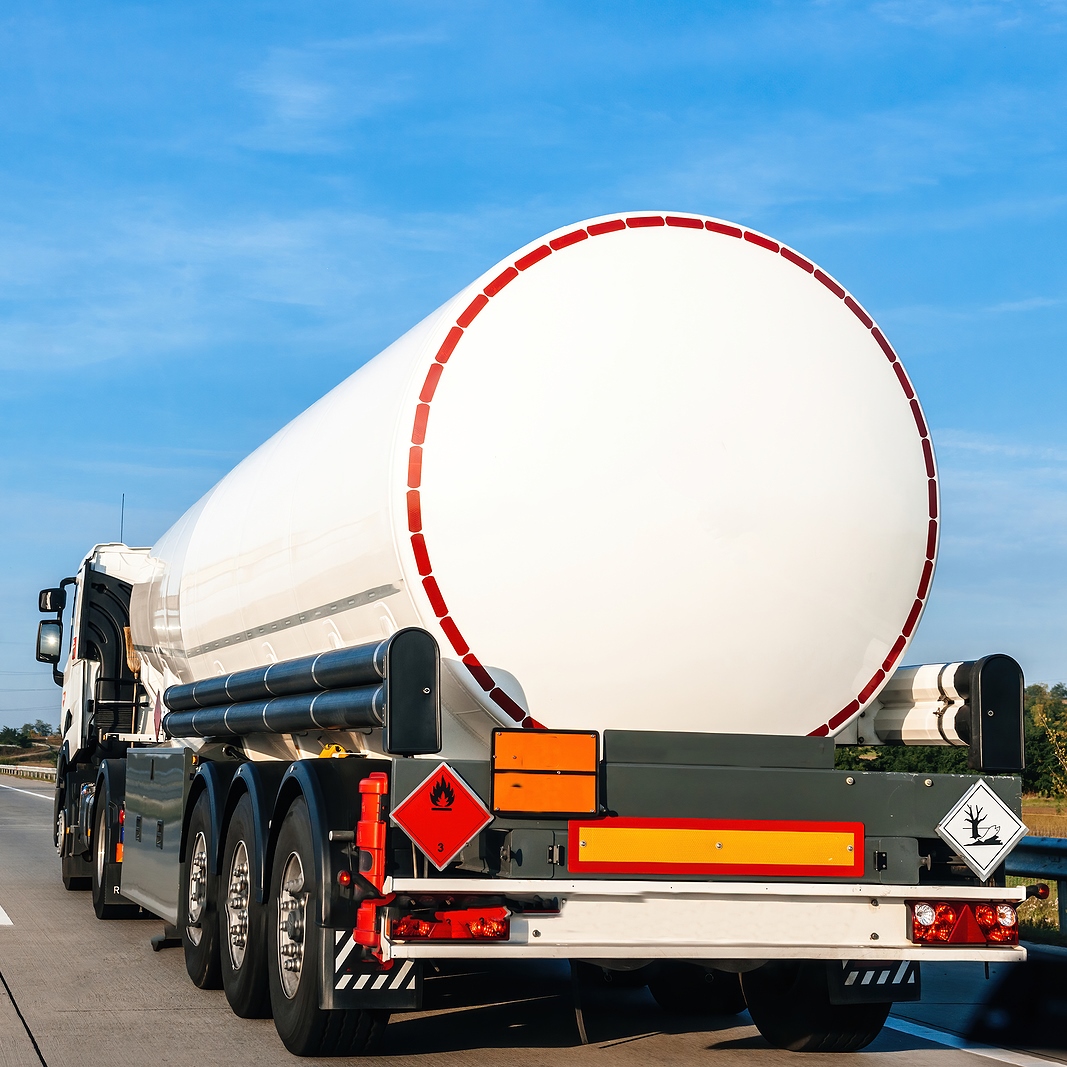
For essential businesses, there is no such thing as a "slow day." Whether it’s an emergency response team, a utility crew fixing a downed line, or a logistics firm moving life-saving gear, every minute a truck sits idle is a minute wasted. We’ve reached a point in 2026 where downtime isn't just an annoyance—it’s a genuine risk to the community. This is exactly why on-demand fuel delivery has gone from a "cool idea" to the actual backbone of operational resilience.
To keep up with the pace, more organizations are ditching the old gas station run and adopting a mobile fleet fueling program. The logic is dead simple: why force your drivers to hunt for a station that can actually fit a massive rig? By leaning into mobile refueling services, these businesses are cutting out the fluff and making sure their teams are road-ready the second a call comes in.
Reliability Isn't a Metric—It’s the Mission
In the world of essential services, "fast" doesn't mean much if you aren't "reliable." Think about a utility crew trying to restore power after a massive storm. They can't afford to be stuck three trucks deep at a retail pump. Traditional fueling just introduces too many variables—traffic jams, credit card glitches, or the classic "out of order" sign on the pump.
On-demand delivery kills those headaches. By refueling the fleet at the yard while the drivers are off the clock, you guarantee that every engine is topped off and ready for action the moment the shift starts. It’s a "set it and forget it" system that supports faster dispatch and keeps the focus where it belongs: on the service, not the fuel gauge.
Scaling without the Infrastructure Nightmare
As cities grow, the pressure on these fleets grows with them. But here’s the catch: scaling a fleet usually means a massive logistical headache. How do you fuel 50 new trucks without building your own private, million-dollar gas station? Mobile delivery is the "cheat code" here because it’s flexible. It scales with you, whether you’re adding five trucks or fifty, and you don’t have to hire extra staff just to manage "gas runs."
For companies operating across state lines, this is even more critical. In rural areas where gas stations are few and far between, mobile fueling saves you from those "deadhead" miles—driving miles out of your way just to find a pump. In the middle of a city, it keeps heavy commercial traffic out of tight retail corners, making the streets a little safer for everyone else.
Policy, Preparedness, and the Community
It’s not just business owners making the switch; local governments are pushing for it too. In states like Florida or Texas, where extreme weather is just part of the job description, state policies are favoring these mobile models. It’s about disaster readiness—ensuring utility and emergency fleets have fuel even when the local grid or the supply chain is a mess.
The Big Picture for 2026
As we look at the rest of 2026, "business as usual" fueling just doesn't cut it. High-performance fleets are moving away from the pump and toward a model that prioritizes uptime above everything else.
Industry leaders like Rhino Fuel are the ones making this happen, showing essential businesses how to align their fueling with state policies and modern demands. By bringing the fuel to the fleet, they’re making sure the services we all count on stay powered up, no matter what.