

The museum transport vs commercial art shipping dilemma is common among art owners who don’t represent institutional entities but still want a high level of protection for their collections in transit. This guide decodes the key differences between both service types, explaining their use cases, equipment, and staffing to help you make an informed decision without paying extra or compromising safety.
Museum Transport vs Commercial Art Shipping: Differences & Similarities
Both services involve moving artwork from one place to another, but they are built around different levels of risk tolerance. Museum transportation is designed to ensure that an object arrives in exactly the condition it left the departure point, with thorough documentation accompanying it at every step. Commercial art shipping focuses on safe, efficient, and affordable transportation at scale. That’s why they have different use cases, equipment, and staffing that an art owner should understand.
Use Cases
Museum-grade shipping is undertaken for loan agreements between institutions, touring exhibitions, high-value private collections, and other art objects requiring elevated security under an insurer, lender, or indemnity program’s terms.
Commercial art shipments are arranged for gallery sales and consignments, art fair logistics, and routine artwork deliveries from an artist’s studio to a client’s premises. They are also preferable for studio relocations, auction house purchase deliveries, and interior design installations.
Staffing
Registrars manage paperwork and loan terms, while highly trained art handlers handle the artwork’s packing and rigging. Couriers with a conservator background or members of the collection’s staff may accompany the art object throughout its journey. Structural engineers may be invited for larger installations or architectural pieces.
Commercial art shipping companies also work exclusively with experienced art handlers and drivers, but they rarely engage a conservator. Coordinators manage the shipment’s scheduling and condition reporting.
Equipment
Climate-controlled, air-ride trucks with lift gates, alarm systems, and GPS trackers are standard equipment for museum-grade shipments. Objects travel in custom-built crates, often equipped with data loggers.
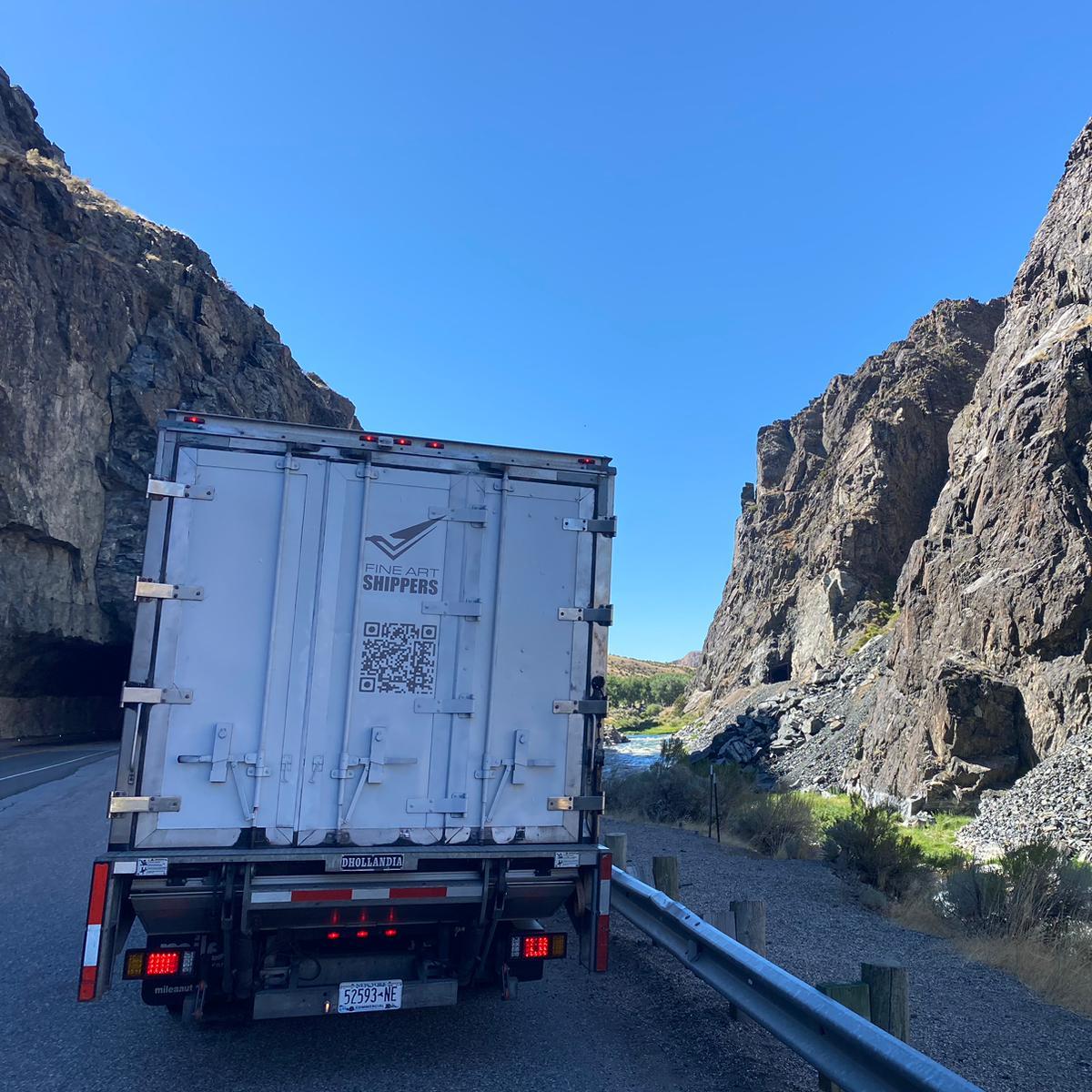
Commercial shippers also use specialized equipment, including enclosed box trucks, often with air-ride suspension, though not always with active climate control systems. Packaging strategies range from soft wrapping for non-fragile art objects to custom crating for delicate, long-distance deliveries.
Now that you understand the museum transport vs commercial art shipping nuances, you’re better positioned to choose the service you need for each case. Ask yourself whether the artwork is valuable and rare enough to require a dedicated, museum-grade transportation effort. Inquire with your counterparty about documentation requirements. Each of these decision-making criteria will help determine the final choice.