

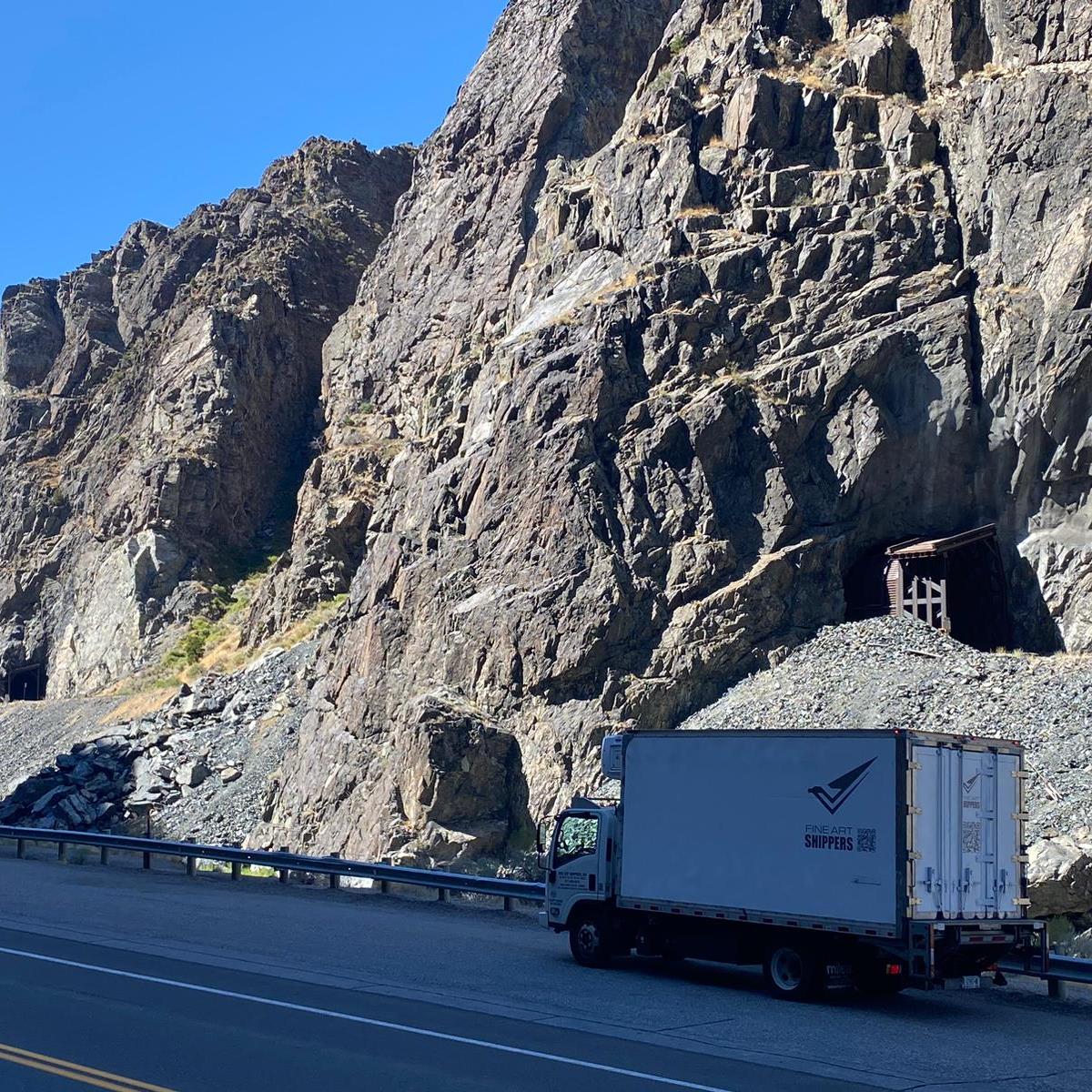
Safety is everything in art transportation. Every art object, no matter how small and low-risk-looking, is an item with unique, irreplaceable cultural value. That’s why museum-quality art transport is the common standard for safety-conscious art owners. Yet, only a few understand what this concept means and how such vehicles should be equipped. There is also little clarity about when museum-grade shipping safety is a must and when it can be avoided.
If you’re also at a loss when evaluating your art transportation needs, here is a detailed description of this transportation mode.
The Difference of Museum-Grade Art Shuttles
The main feature that sets museum-grade art shuttles apart from regular fleet is the conservation-first handling philosophy built into equipment and transportation. Museum-grade transport has built-in climate control systems that reduce temperature and RH swings to prevent artwork expansion, contraction, cracking, mold development, and corrosion. Besides, it guarantees low vibration and shock to reduce cumulative vibration fatigue and avoid acute risk events. Museum-grade shuttles also often come with contaminant control systems that minimize the art objects’ exposure to dust, soot, airborne pollutants, and off-gassing materials. Light control is at the heart of museum-grade shipping as well.
Equipment in Museum-Grade Art Shuttles
The essence of safe art transportation is in the immobilization and stability of art objects throughout transit. That’s why museum-grade art shuttles have high-quality immobilization and cushioning systems, microclimate controls, and custom equipment for specialty crate immobilization.
The vehicle itself should have an advanced air-ride suspension system to reduce vibration on the road. Such vehicles are also equipped with liftgates and loading control tools, such as low-angle ramps and dock plates, to ensure smoothness of artwork loading and transition. Another common industry practice is to equip art trucks with e-track systems or load bars to secure crates without direct pressure on sensitive areas.
A safety-conscious art owner can also check the vehicle for the presence of material handling equipment, such as padded dollies and pallet jacks. The latter can be used only when the art crate’s design allows; in all other cases, crates are moved on dedicated skids. A good-to-have extra is a set of protective staging supplies, such as clean moving blankets and barrier materials.
Needs That Museum-Quality Art Transport Serves
This description suggests that museum-quality art transport is a tightly controlled logistics option with robust risk management measures. It is specifically designed to move cultural property with minimal mechanical shock and environmental fluctuations. Experts using museum-grade art shuttles take proper care of the chain of custody to guarantee conservation-grade protection at every step.