

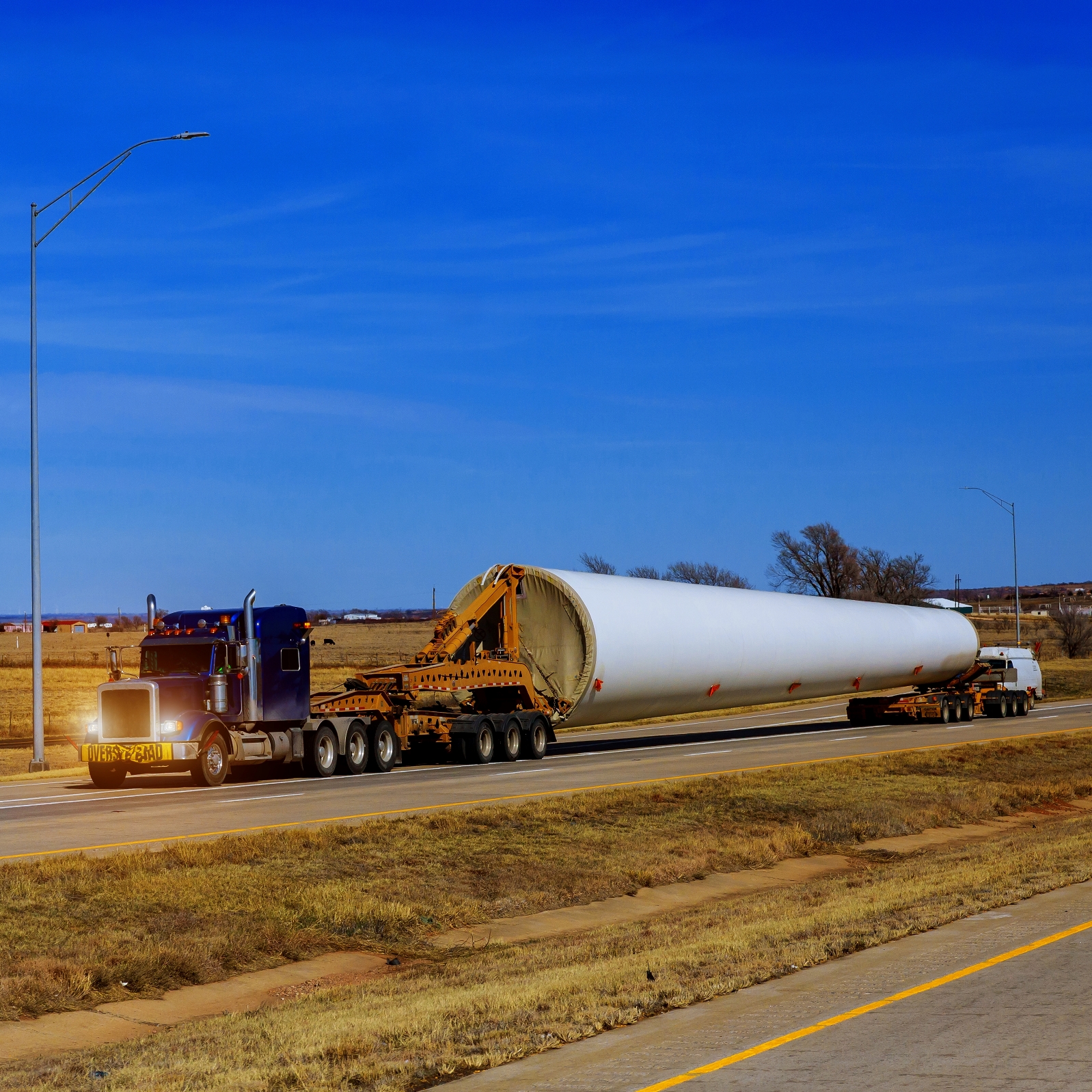
If you think hauling heavy freight is just about buying a massive 4-axle truck and finding a guy who knows how to float gears, you are going to go bankrupt within six months. Seriously. The industry has seen dozens of hotshot companies fold. Why? Because they treated an oversize load like it was just a slightly heavier dry van. It’s a completely different universe.
The driving? That’s the easy part. The guy holding the steering wheel is just finishing the job. The actual blood, sweat, and profit margins are won or lost weeks before the trailer is ever hooked up. Most outsiders have absolutely no idea how rigged the system feels when you are moving 150,000 pounds of steel down a public highway. You aren’t just fighting traffic. You are fighting a massive, uncoordinated bureaucracy that actively wants to penalize you. Every single state border in this country acts like a brick wall. The DOT regulations change the exact second your tires cross a county line, and they do not care if you didn’t get the memo.
The Paperwork Trap That Kills Profit Margins
Mechanical failures are bad, but permit failures are an absolute nightmare. You might have a perfectly legal setup in Ohio. You cross into Pennsylvania? Suddenly, your axle weight distribution is considered a felony, your running hours are illegal, and you are parked at a scale house while a state trooper writes a ticket that wipes out your entire profit for the week.
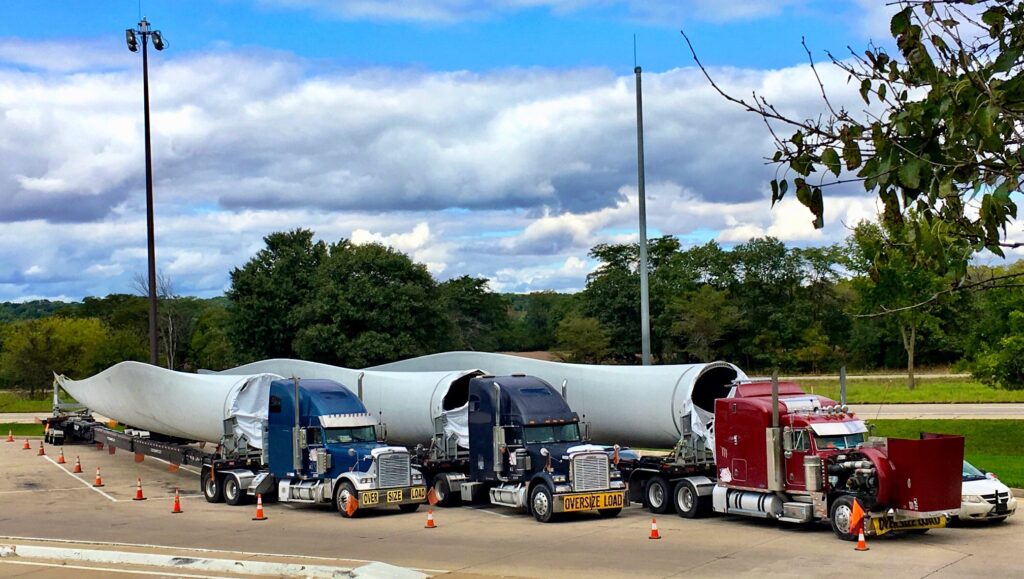
Trying to manage this process manually can be extremely inefficient. You call a state office. You sit on hold for forty-five minutes listening to static. You finally get a clerk who tells you your fax didn't go through. That’s lost money. If your truck is sitting, you are bleeding cash. The guys hauling the massive wind turbine blades or the pre-cast concrete? They stopped playing phone tag years ago. You have to outsource the headache. You lock in a professional oversize permit service and let them fight with the state agencies. It gets the legal clearance sorted before your driver even puts his boots on in the morning.
Because if you roll up to an inspection station and your permit says your load is exactly 12 feet wide, but a flapping tarp makes it 12 feet and one inch? You are dead. The scale master will shut you down on the spot. They don’t care about your deadline. They don't care that your customer is screaming. Park the truck. Hand over the keys.
The Tape Measure Is Your Only Religion
Even when the paperwork is flawless, the road will still try to break you. Standard logistics theory is useless here. You need pure paranoia. Don't eyeball anything. Don't trust the shipper's spec sheet. Shippers lie. They guess. If they tell you a transformer weighs 80,000 pounds, assume it's 90,000 until you weigh it yourself on a certified scale. Loads settle during transit. Chains adjust. Get a laser measure. Check the width, the height, the overhang. Twice. If you are off by a fraction of an inch, the permit you just paid for is completely void.
Then there’s the iron itself. Hauling these extreme weights tears equipment to shreds. A blown hydraulic line on a regular flatbed is a mild annoyance. A blown line when you are hauling an excavator up a steep mountain grade? That’s a catastrophe that shuts down an interstate and gets your company logo on the evening news. You have to over-maintain everything. If a tire looks even slightly worn, you throw it in the trash. Don't risk it to save three hundred bucks. A highway blowout will cost you ten grand in towing, cleanup, and DOT fines.
Routes Fail. Escorts Don't Show Up. Plan Accordingly
You also have to assume your route is going to fail. Bridges get downgraded overnight. A local municipality decides to close a lane for pothole repair at 2 AM. If you don’t have a Plan B and a Plan C already mapped out and pre-cleared for your exact dimensions, your driver is going to be stuck trying to back a 100-foot setup down a two-lane county road. That’s exactly how you shear the roof off a cab or destroy public property.
Have you ever tried explaining to a furious customer why their crane crew—which costs thousands of dollars an hour—is standing around doing nothing? It’s usually because you hit a sudden weather curfew you didn't account for. Rain, fog, high winds—any of these can legally ground an oversized load depending on the specific state mandate. You can't just push through the storm like a regular freight hauler. You sit. You wait. And you pay your driver and your escort vehicles to sit and wait with you.
Speaking of escorts, pilot cars are another essential component of the process. A pole car up front, a chase car out back, and half the time you need local cops to block intersections. Police escorts typically require advance planning and cannot be effectively arranged on the morning of a move. You lock them down days in advance, and you pray they actually show up on time. Because if your pole car gets a flat tire on the way to the yard, your multi-million dollar haul is grounded until you find a replacement.
This entire business is about mitigating disaster before it happens. You wake up, assume the infrastructure and the state laws are conspiring against you, and you prepare accordingly. The companies that actually survive and grow aren't lucky. They are paranoid, data-driven, and obsessed with the details. They secure their permits early, they measure everything themselves, and they maintain their trucks like aircraft. Don’t treat heavy haul like a game. Respect the sheer weight of what you are moving, respect the red tape, and get your logistics totally sorted before you ever touch the ignition.