

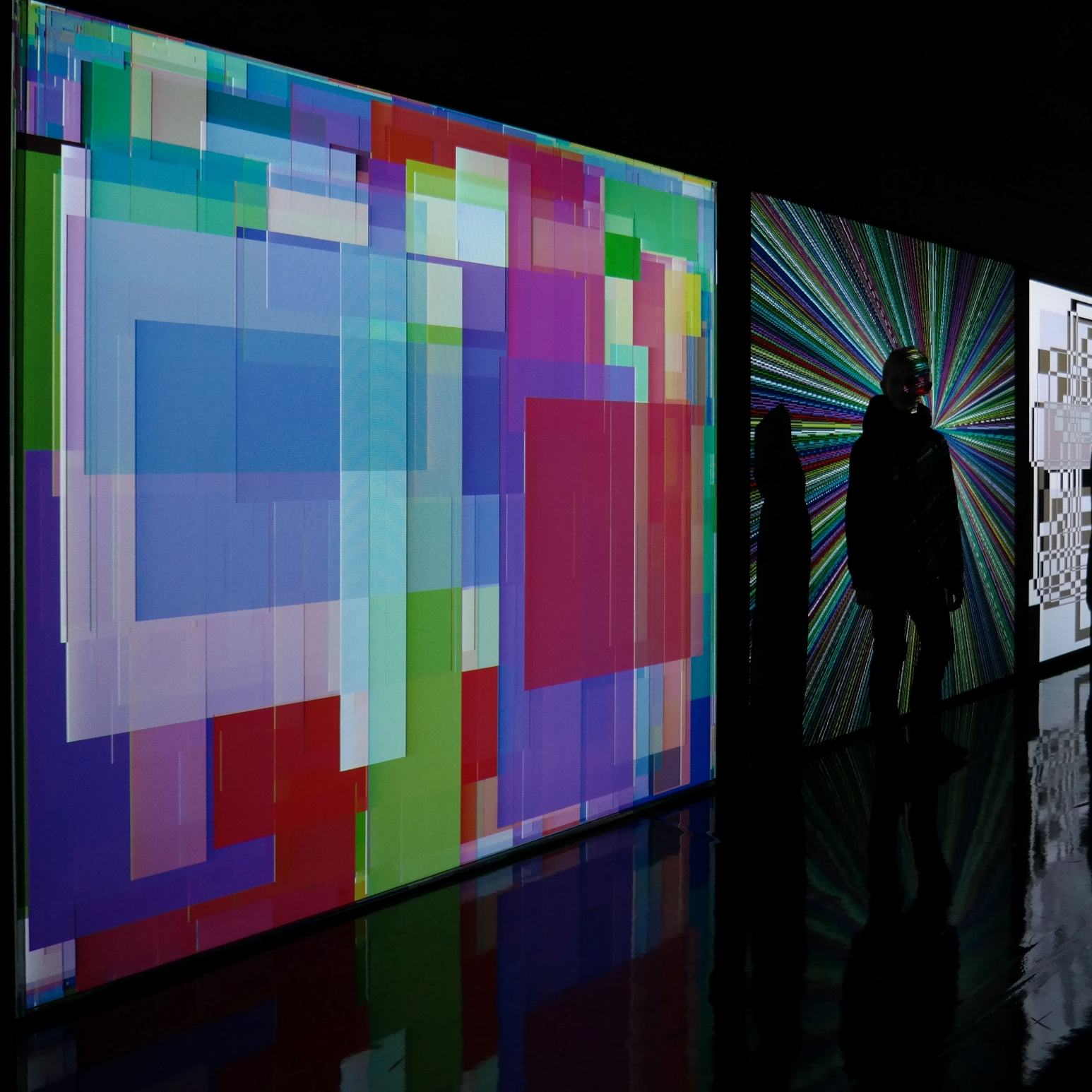
Planning an art event feels like juggling a dozen spinning plates. You've got artwork to curate, venues to book, catering to arrange, and somewhere in all that chaos, you need to think about how people will actually experience your exhibition. That's where the media wall question comes up.
Should you invest time and budget into creating one? The short answer is... well, it depends. But let's dig into this a bit.
What Actually Makes a Media Wall Worth It?
Picture walking into an art gallery and immediately being drawn to a large, illuminated display showcasing the evening's featured artists. That's the kind of first impression a well-designed media wall creates. It's not just about looking fancy (though that doesn't hurt). These displays serve as digital storytellers for your event.
The thing is, people expect certain production values these days. A static poster board might have worked fine ten years ago, but visitors now anticipate something more engaging. They want context, background stories, maybe even interactive elements that help them connect with the artwork on display.
The Real Costs to Consider
Here's where it gets tricky. Building effective media walls isn't exactly cheap, and it's not just about the upfront costs either.
You're looking at hardware expenses, content creation time, technical setup, and potentially hiring someone who actually knows what they're doing with all the wiring and software. Then, there's the ongoing maintenance during your event. Technology has this funny habit of acting up at the worst possible moments.
But here's what's interesting: many event organizers find that the investment pays off in ways they didn't initially expect. Visitors spend more time engaging with the content, they share photos on social media (free marketing, anyone?), and sponsors love having their logos displayed on something that actually gets attention.
When Media Walls Make Perfect Sense
Some events are practically begging for digital displays. If you're showcasing contemporary digital art, running a multimedia exhibition, or hosting an event where you need to display changing information throughout the day, then yes, a media wall becomes almost essential.
Ever noticed how people gravitate toward screens? There's something magnetic about moving images and changing content that static displays just can't match. For art events featuring video installations or interactive pieces, having complementary digital displays creates a cohesive experience.
The other scenario where these really shine is when you're dealing with limited wall space but lots of content to share. Instead of cramming everything into tiny print that nobody reads anyway, you can cycle through different information, artist profiles, and even live social media feeds.
The Alternative Approach
Not every art event needs a full media wall setup. Sometimes, a few strategically placed smaller screens or even well-designed traditional displays work just fine.
The key is being honest about your event's actual needs versus what might look impressive. If your budget is tight and your exhibition focuses on traditional paintings or sculptures that speak for themselves, putting money toward better lighting or improved signage might serve you better.
Making the Decision
To be honest, the worthiness of a media wall comes down to three main factors: your audience's expectations, your budget reality, and how the technology enhances rather than distracts from your actual artwork.
If you do decide to go for it, working with experienced suppliers makes all the difference. The last thing you want is to invest in something that looks great in theory but becomes a technical headache during your event.
The truth is, a well-executed media wall can transform how visitors experience your art exhibition. But a poorly planned one? That's just an expensive distraction, taking attention away from what really matters: the art itself.