

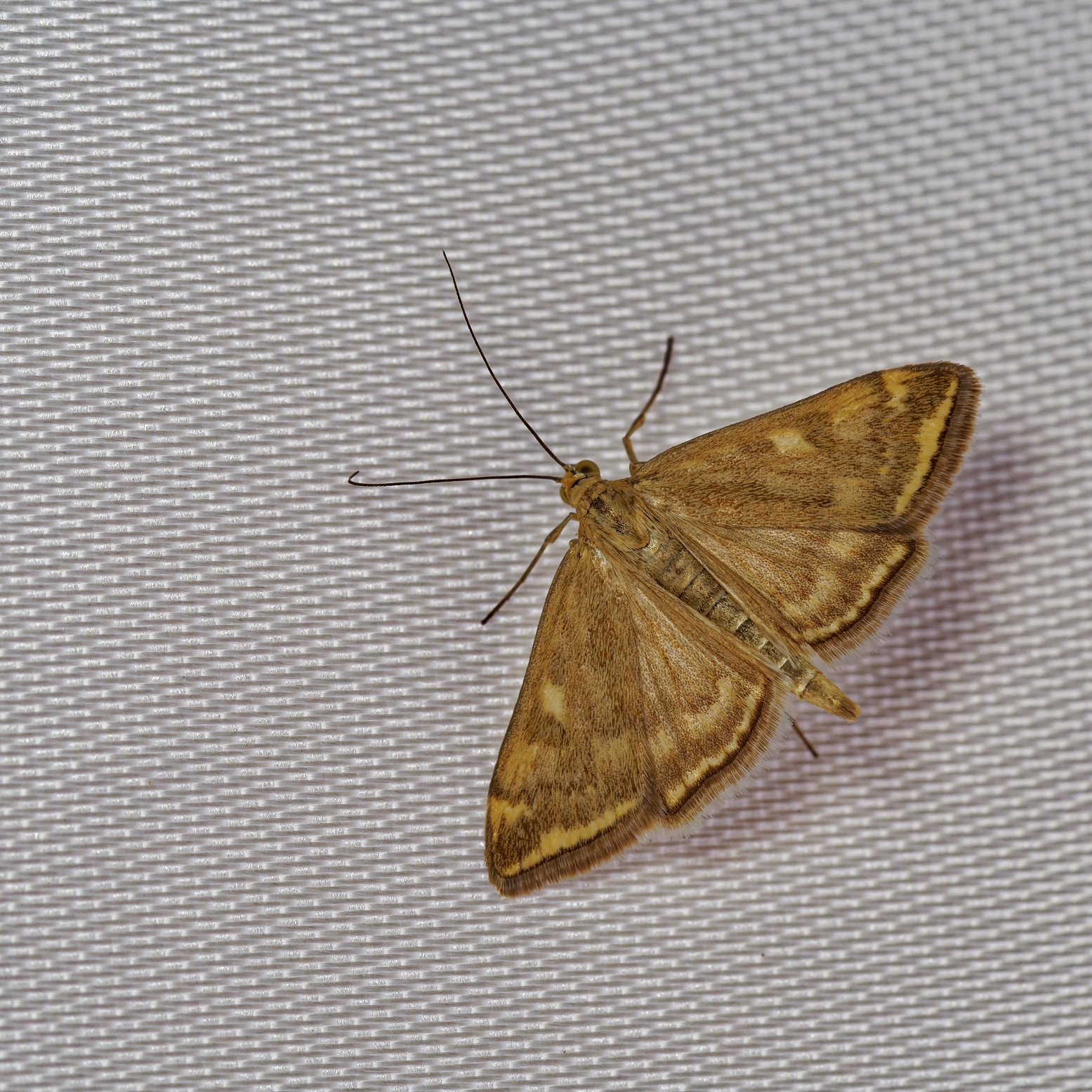
Insect damage to artwork is a highly unpleasant discovery upon opening a crate. Seeing a tapestry with grazed pile or a gilded frame shedding fine powder is every art owner’s nightmare. Once these signs appear, the pest infestation may already have been developing for months. Read this guide to understand what causes insect infestations and how to prevent them.
What Is Causing Insect Damage to Artwork?
Most insect damage to art is caused by larvae. Adult clothes moths do not eat textiles; their main task is to reproduce and find suitable places to lay their eggs. Once the larvae emerge, they begin feeding on susceptible materials, and the damage can continue for months before becoming visible.
Insects are attracted to several types of material found in artworks. Webbing and case-bearing clothes moths, as well as carpet beetles, target keratin and other protein-based materials, which may be present in wool, silk, feathers, animal glue, fur, and hide. Silverfish and booklice can damage paper, book cloth, and materials containing starch or other organic binders. Wood-boring beetles, including furniture beetles and powderpost beetles, can affect wooden panels, stretchers, frames, and polychrome sculpture. They may also attack wooden crates, meaning improperly prepared crate materials can become a potential source of infestation.
Where Does Infestation Enter the Package?
Things to look out for include untreated timber in crates and pallets. For international shipments, the professional art shipping industry follows ISPM 15 requirements for regulated wood packaging materials. Depending on the treatment, compliant wood packaging is heat-treated or fumigated and carries the appropriate ISPM 15 mark.
Incoming objects from private residences, attics, and non-climate-controlled storage should also be inspected for pests before entering a collection or storage facility. In addition, a storage or packing facility can become a source of contamination if housekeeping, loading docks, or other areas are not properly maintained.
Prevention That Works
With the risk of insect damage to artwork well understood in the professional art shipping and conservation industries, experts recommend several preventive measures:
- Using ISPM 15-compliant or engineered-panel crating materials.
- Packing artwork with clean, inert materials and avoiding materials that may provide a food source for pests.
- Quarantining and inspecting incoming artwork before introducing it to a larger collection.
- Running an integrated pest management program with dated blunder traps and species-specific pheromone traps in art storage.
- Maintaining stable environmental conditions and keeping relative humidity below 60% where appropriate.
These precautions can help reduce the risk of pest infestation. However, if you spot signs of an active infestation, isolate the affected object from other artworks and contact a professional conservator for assessment and treatment.