

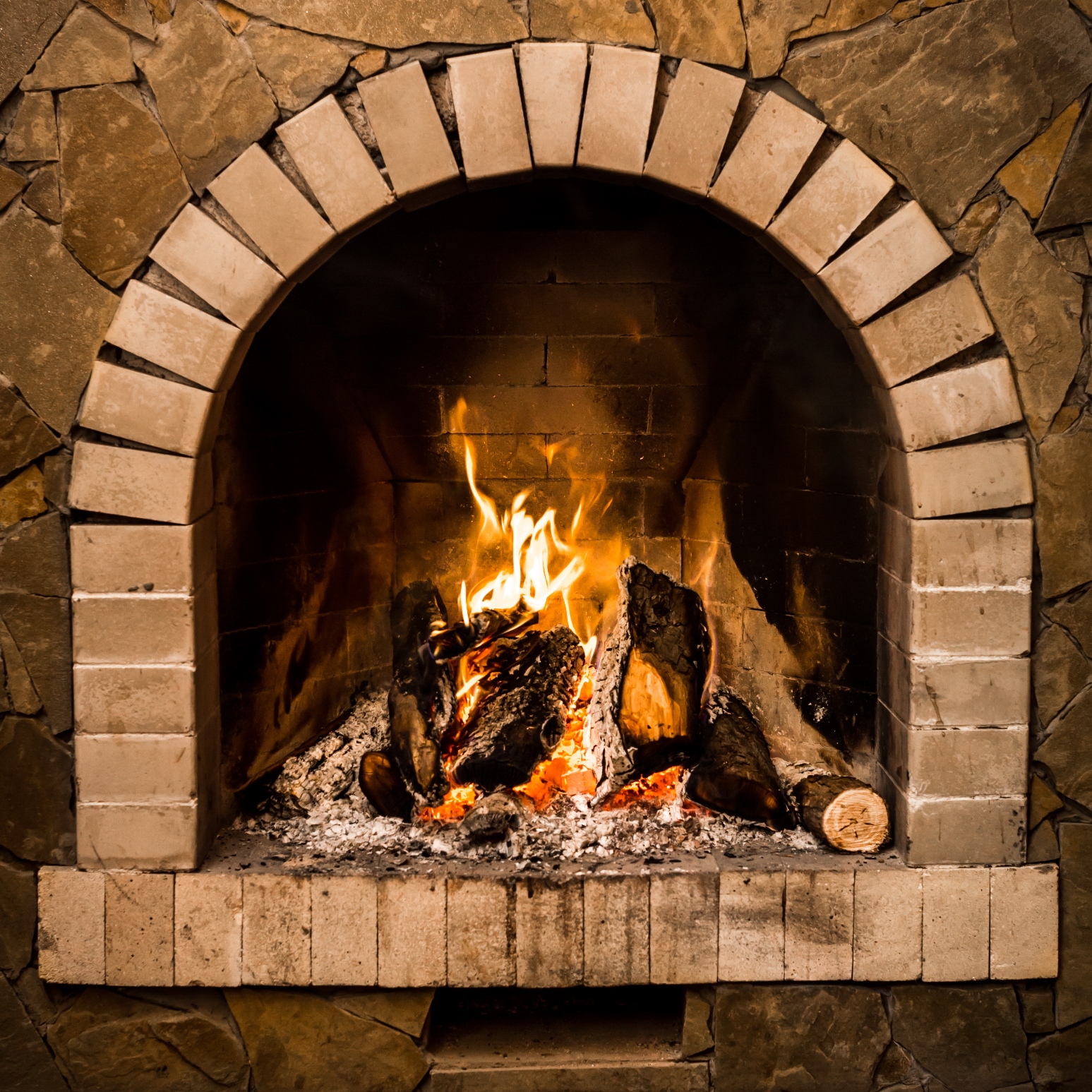
There is a particular kind of frustration that comes with a fireplace that looks wrong. It pulls your attention, which is exactly what a focal point should do, and then lets you down. In a room where everything else has been thought through carefully, a dated or neglected hearth becomes the thing your eye keeps returning to for the wrong reasons.
The good news is that most tired fireplaces do not need to be replaced. They need to be addressed in the right places, in the right order. Here is how to approach it.
Figure Out What Is Actually Wrong First
This sounds obvious, but most people skip it. They decide the fireplace looks bad and jump to solutions without being specific about the problem.
Is it the brick? Old brick that has absorbed decades of soot and smoke often looks dark and grimy in a way that makes a room feel heavy. Sometimes, the brick itself is fine, but the color or texture is working against the rest of the interior.
Is it the doors? Brass doors from the 1980s are probably the single most common reason an otherwise fixable fireplace looks dated. They carry a strong period signature that clashes with most contemporary interiors.
Is it the surround? Tile, stone, or wood surrounds from a previous decade often have details that feel immediately out of step with how the rest of the room has evolved.
Or is it the firebox interior? Cracked refractory panels and a damaged damper are functional problems, not just aesthetic ones, and they need to be sorted before any cosmetic work begins.
Get specific about which of these is actually the problem. Frequently, it is more than one, but knowing the priority helps you sequence the work and spend the money in the right places.
Brick: Cleaning, Limewash, or Paint
For brick that is stained or aesthetically at odds with the room, you have three options that stop well short of replacement.
Cleaning with appropriate brick cleaner removes surface deposits and brightens brick that has been darkened over time. If the brick itself is in good shape and the color works for the space, this is often all that is needed. It does not change the fundamental character of the surface.
Limewash creates a soft, semi-translucent finish that allows some natural variation in the brick to show through. It works well in spaces with an organic or slightly rustic aesthetic and tends to look better over time rather than worse. It is also more forgiving to apply than standard paint.
Paint gives you the most complete color transformation and the cleanest result. It is the right choice when the goal is to have the fireplace integrate quietly into the room rather than assert itself. The preparation matters: prime properly, pay attention to the mortar joints, and use a product formulated for masonry surfaces that will be exposed to heat. The fireplace transformation options designed specifically for this purpose produce more reliable results than adapting standard interior paint for conditions it was not designed for.
Doors: The Highest-Impact Single Change
If there is one thing you can do that will change how a fireplace looks more than anything else for the least disruption, it is replacing the doors.
Outdated doors, particularly brass-framed ones with smoked glass, are immediately recognizable as period pieces. Swapping them for something cleaner, matte black steel frames, minimal flat-front glass, a simpler profile, produces a result that feels disproportionately significant relative to the work involved. It is a contained change that typically takes a few hours and does not require touching the surround or the structure underneath.
Measure the opening carefully before purchasing. Door sizing is not standardized in the way you might hope, and a door that is slightly off in its dimensions creates fitting problems that are more difficult to solve after the fact than before.
Surround: Targeted Updates Rather Than Full Replacement
Replacing an entire surround is a significant project. Updating specific elements within it is usually possible and considerably less disruptive.
Dated tile facing can be painted with appropriate tile paint or re-tiled over the existing surface where the substrate is sound. This avoids the demolition required for a full retile.
A wood mantel in good structural condition can be stripped, refinished, or painted to shift its aesthetic substantially. The same Victorian mantel reads very differently in its original stripped pine versus painted in a deep tone. The structure stays the same. The effect changes considerably.
Cast plaster or stone surrounds can be cleaned, repaired, and either left or painted. Something that previously looked institutional can become a refined architectural element with the right finish and color.
Sort the Functional Issues First
This is the most important sequencing point and the one most often ignored.
Before spending money on paint, new doors, or a refinished mantel, get the fireplace inspected by a chimney professional. Cracked refractory panels, a damper that does not seal, or any sign of flue deterioration all need to be addressed before cosmetic work begins. Painting over a structural problem does not fix it. It usually makes it more expensive to address later because you have to undo the cosmetic work to get to what is underneath.
An inspection is not expensive relative to any of the cosmetic work being considered. It tells you clearly what the fireplace needs functionally and gives you a sound basis for deciding what to invest in aesthetically.
Once you have a clean structural bill of health, work from the inside out. Firebox interior first, then doors, then the brick or tile facing, then the surround and mantel. Each stage creates a foundation for the next without the risk of damaging completed work.
It Is Usually Less Than You Think
The assumption that fixing a tired fireplace means gutting it and starting over is wrong often enough to be worth challenging directly. Most of what makes a fireplace look dated is concentrated in a few specific elements, and most of those elements can be updated without touching the structure underneath.
The decisions that matter are identifying the right problem, choosing the right approach for each element, and not starting the cosmetic work before the functional condition has been confirmed. Get those three things right, and a fireplace that has been dragging a room down for years can become the thing the room is organized around, which is what it was always supposed to be.