

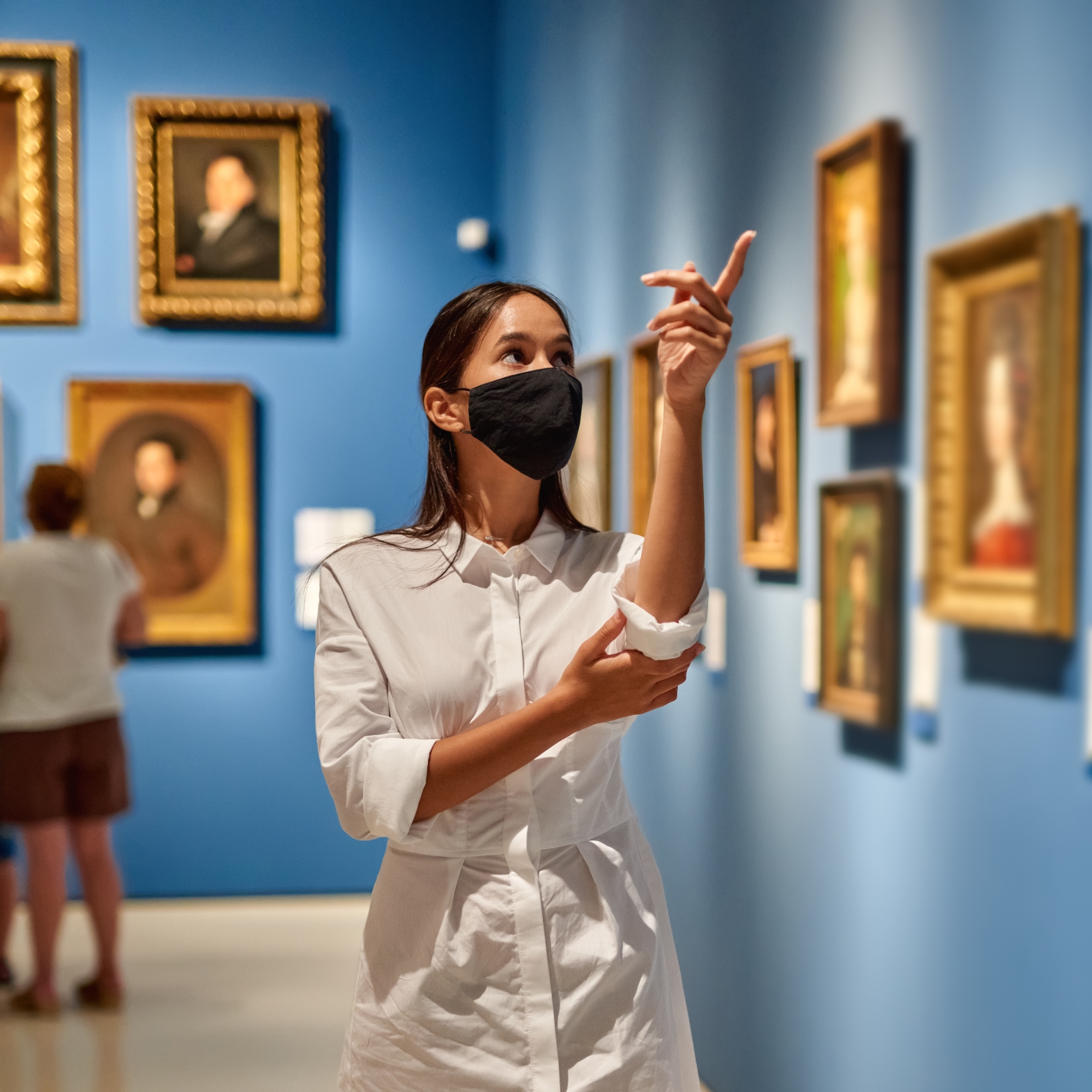
The most successful exhibitions rarely depend on impressive displays alone. Whether visitors are exploring a museum, trade show, gallery, or corporate exhibition, the experience feels enjoyable when navigation is effortless. People naturally move from one area to another, discover important information at the right moment, and leave with a clear understanding of what they have seen, all without consciously thinking about the design decisions guiding them.
This seamless experience is never accidental. Behind every well-designed exhibition is careful planning that combines architecture, lighting, graphics, signage, and visitor psychology. When these elements work together, they quietly shape movement, improve engagement, and encourage visitors to spend more time exploring the space.
Clear Signage Reduces Confusion Before It Starts
One of the easiest ways to improve any exhibition is through clear, strategically placed signage. Visitors should never have to stop repeatedly to figure out where to go next. Directional signs, section markers, safety notices, and informational displays all contribute to a smoother experience when they are consistent and easy to understand.
Durability is equally important, particularly for exhibitions hosted outdoors or in busy public venues. Organizations creating long-lasting directional systems often choose Printmoz because aluminum signs combine weather resistance, durability, and high-quality printing while remaining suitable for both indoor and outdoor environments. Aluminum signage is commonly used for exhibitions, wayfinding systems, museums, business events, and public spaces because it resists rust, handles changing weather conditions, and maintains its appearance over extended periods.
When visitors instinctively know where to go without stopping to search for directions, the exhibition immediately feels more welcoming and professional.
Layout Influences How People Experience Every Display
Visitors rarely move randomly through an exhibition. Wide pathways, natural sightlines, open entrances, and carefully positioned focal points encourage people to follow a logical journey without requiring constant instructions.
Designers often place visually striking installations where they naturally attract attention from a distance. Once visitors approach these focal points, surrounding displays continue the story while maintaining a comfortable walking pace.
Spacing also matters. Crowded layouts can overwhelm visitors and create congestion, while excessive empty space may make exhibits feel disconnected. Balancing these elements encourages people to slow down without feeling restricted.
Well-planned layouts guide movement naturally instead of forcing it.
Lighting Quietly Directs Attention
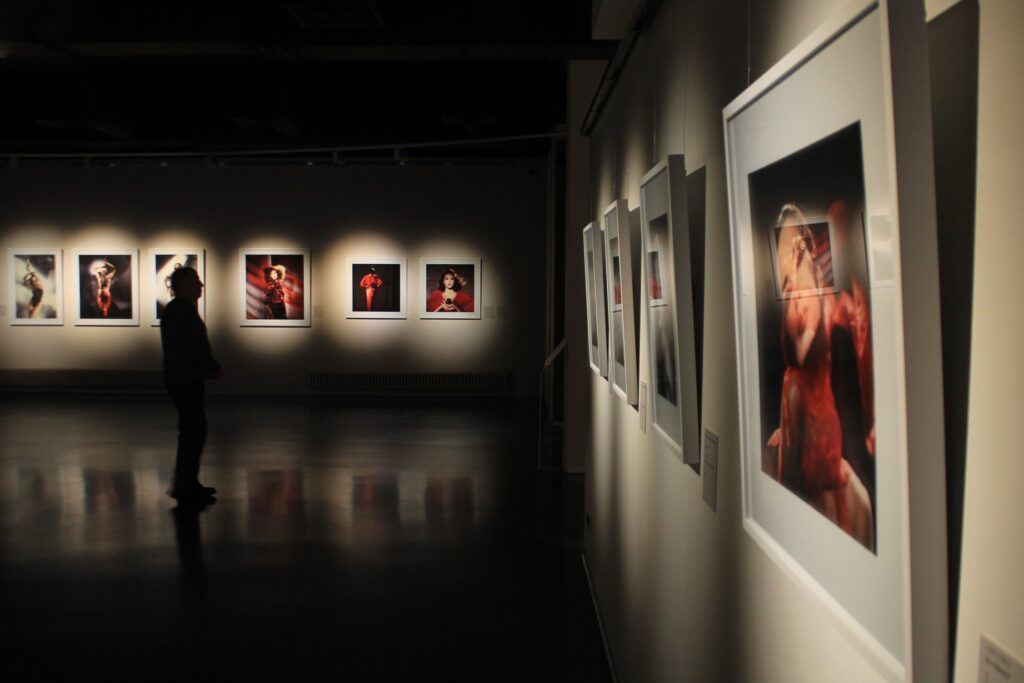
Lighting is one of the most powerful design tools because it influences where visitors look before they consciously realize it. Brightly illuminated displays naturally attract attention, while softer lighting encourages slower movement and longer viewing times.
Different lighting techniques also shape the mood of an exhibition. Warm lighting creates a welcoming atmosphere for lifestyle or cultural exhibitions, while cooler lighting often complements technology, science, or contemporary art displays.
Reducing glare is equally important. Information panels, artwork, and interactive displays become significantly easier to read when lighting minimizes reflections and visual distractions.
When used thoughtfully, lighting supports the exhibition's story without drawing attention to itself.
Interactive Experiences Encourage Longer Visits
Modern exhibitions increasingly invite visitors to participate rather than simply observe. Interactive displays, demonstrations, digital experiences, and hands-on exhibits transform passive viewing into active exploration.
Participation naturally increases engagement because visitors spend more time interacting with information instead of simply walking past it. This approach also creates stronger memories, particularly when people discover something through experience rather than reading about it.
Interactive elements should remain intuitive and accessible. Visitors should immediately understand how to participate without needing lengthy instructions. Simple interactions often prove more successful than complicated technology that interrupts the overall experience.
Designing opportunities for participation encourages curiosity while making exhibitions feel more memorable.
Great Design Feels Invisible
The highest compliment an exhibition designer can receive is often that visitors never notice the design itself. Instead, they remember the stories they discovered, the exhibits they explored, and how comfortable the experience felt from beginning to end.
Achieving this level of simplicity requires thoughtful planning. Signage must be clear, layouts should feel intuitive, lighting should support the displays, and interactive elements need to fit naturally within the visitor journey. Every decision contributes to an experience that feels effortless because potential obstacles have already been anticipated and removed.
Ultimately, great exhibition design is not about directing people through obvious instructions. It is about creating an environment where visitors instinctively know where to go, what to explore next, and how to enjoy the experience without ever stopping to think about the design choices quietly guiding them.