

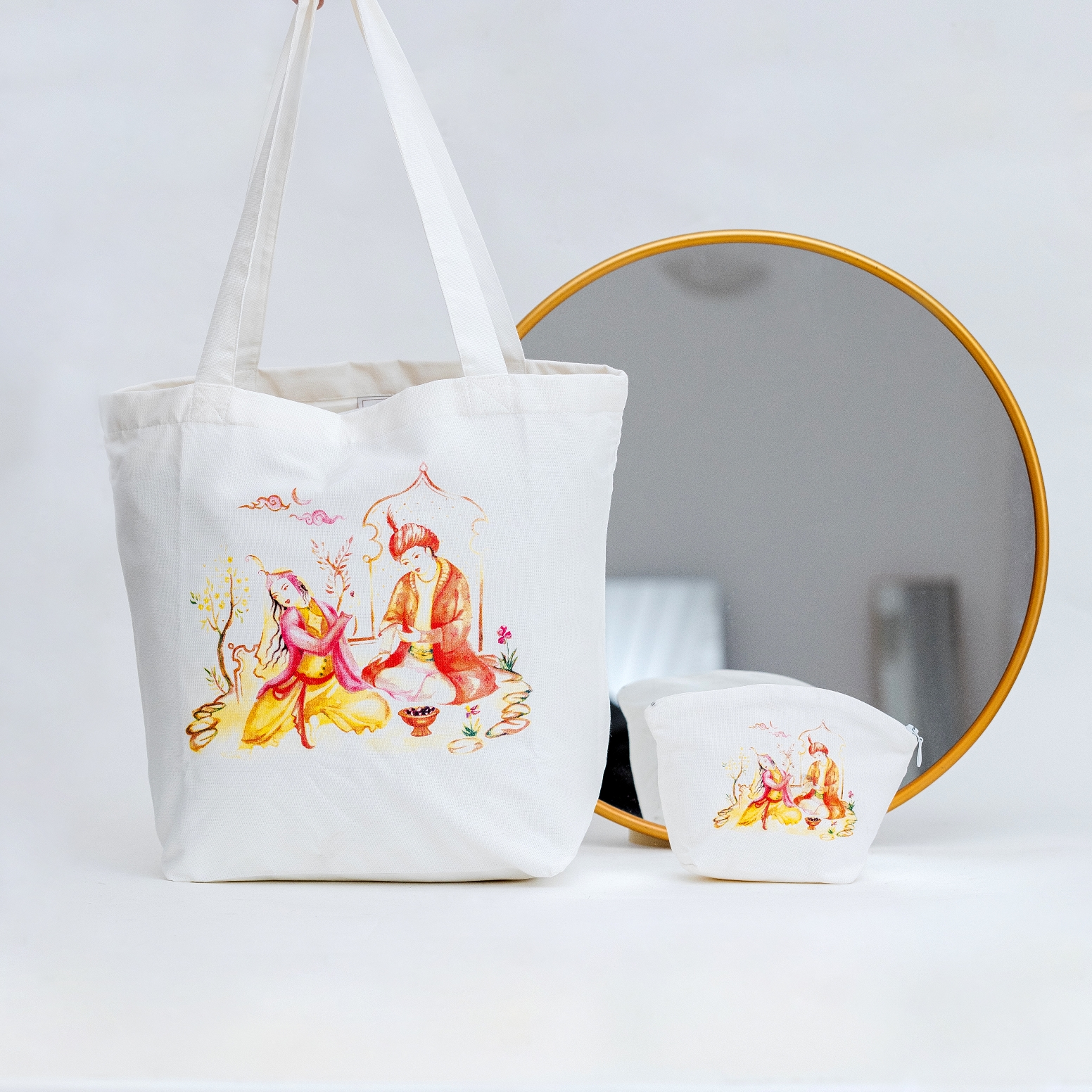
For many artists, earning a reliable income from original work alone can be challenging. Paintings, illustrations, sculptures, and other one-of-a-kind pieces often require significant time to create, which naturally limits how many can be sold. Custom products offer another option by allowing artists to turn existing designs into practical, repeatable items that appeal to a wider audience.
Making Artwork More Accessible
Original art can command a high price, but not every admirer is in a position to purchase it. Products such as tote bags, prints, notebooks, mugs, stickers, and clothing give customers a more affordable way to support an artist and enjoy their work.
This can help artists reach people who might never buy a large canvas or commissioned piece. A customer may be drawn to an illustration but prefer to own it on an item they can use every day. By offering products at several price points, artists can make their creative style available to more buyers without reducing the value of their original work.
Earning More From Existing Designs
One of the biggest advantages of custom merchandise is that it allows an artist to earn repeatedly from artwork that has already been completed. A single design can be adapted for different products, colorways, sizes, or collections.
The adaptation is where most of the work sits, and it is worth doing in a deliberate order. Start with whichever product has the tightest constraints, because a design that survives the strictest process will drop into looser ones without much rework. Screen printing on fabric is usually the limiting case: line weights thicken, fine gradients band, and the color count is capped, so an illustration built at 300 dpi for paper often has to be simplified before it will hold. Working out those limits first means checking a printer's actual templates rather than guessing, and most publish them openly. Tote Bags Now is one, and its dimensions and color limits are typical enough to design against even if the final order goes elsewhere. Once a design clears that bar, the print, card, and phone case versions follow quickly, which is what makes an existing portfolio worth revisiting rather than constantly producing new pieces from scratch.
Building a Recognizable Brand
Custom products can also strengthen an artist’s identity. Consistent colors, themes, characters, typography, and packaging can make merchandise instantly recognizable. Over time, buyers may begin to associate a particular look or message with the artist behind it.
Products can act as portable advertising, too. Someone carrying a boldly designed bag or wearing an illustrated shirt may introduce the artwork to potential customers in everyday settings. Adding a website address, social media handle, or small branded tag can make it easier for interested people to find the artist online.
Selling Through Multiple Channels
Artists can offer custom products in several places, including their own websites, online marketplaces, social media shops, exhibitions, craft fairs, and local independent stores. Selling through a mix of digital and physical channels can create more opportunities to reach customers.
Limited collections can work particularly well at seasonal events or exhibitions. Artists can also create exclusive products for specific audiences, collaborate with other creatives, or offer personalized items at a higher price.
Starting With a Focused Range
It is usually best to begin with a small, carefully selected product range. Artists can test a few popular designs, monitor sales, and collect customer feedback before expanding. This reduces financial risk and helps identify which products have the strongest demand.
Custom products are not a replacement for original art. Instead, they can complement an artist’s main practice, provide more consistent revenue, and help build a larger community around their creative work.