

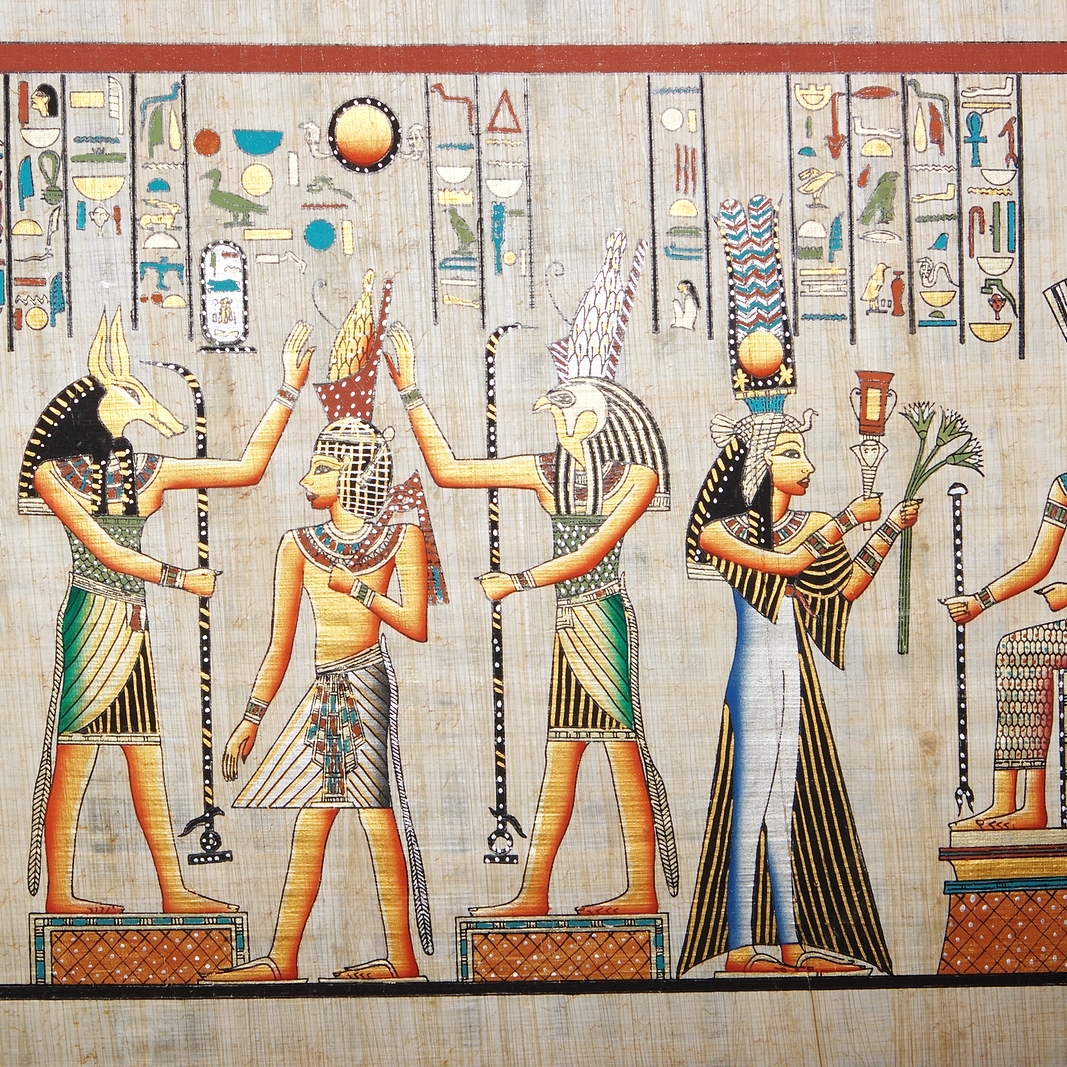
The fragile items shipping industry is very vast, covering a variety of delicate art objects. From ancient artifacts to delicate antique sculptures made of marble, all pieces of cultural heritage require extra care during transportation. Here is a guide to shipping fragile art using the example of ancient Egyptian papyri as a case illustration.
From Excavation to Exhibition: The Case of Egyptian Artifact Shipping
The transportation of ancient artifacts is one of the most demanding niches in the art logistics industry. An illustrative case is the ancient Egyptian civilization’s cultural legacy. Ancient papyri, wooden funerary elements, and inscribed pottery are not simply fragile; they represent unique, irreplaceable art objects highly sensitive to environmental factors. That’s why moving them safely from the excavation site to museums and exhibitions requires strict adherence to museum-grade packing, handling, and shipping standards.
Risk Mitigation in Fragile Items Shipping
At the heart of risk management lies the proper understanding of archeological materials’ fragility. Egyptian papyri are composed of layered plant fibers that have been degrading for centuries. Such artifacts won’t survive even slight, short-term fluctuations in temperature and humidity, which will quickly cause their cracking, delamination, and ink loss. Ancient woodware also degrades under the environmental impact, with warping and splitting happening quickly because of centuries-old desiccation processes.
Even seemingly solid artwork, such as stone and ceramic objects, may degrade quickly because of internal microfractures unseen by the human eye but causing irreparable damage if the artifact sustains vibration or improper load distribution.
Strategic Tips for Safe Heritage Shipping
Fragile items shipping professionals implement several expert strategies to mitigate the risk of damage to ancient Egyptian artifacts. First, they always perform a thorough conservation assessment before planning the shipping process. They evaluate structural weaknesses of each object and assess the surface to identify custom packing solutions for maximum safety.
Second, art shippers use microclimate enclosures in the packaging process. This way, they achieve an unprecedented level of climate control and protect papyri, woodware, and other ancient artifacts from environmental effects. Microclimatic stabilization is achieved using acid-free mounts, buffered backing boards, and inert polyester films that comply with museum-grade packing standards. As a result, ancient art travels under stable temperature and relative humidity.
Coupled with advanced shock, vibration, and structural protection measures, these tactics work perfectly to ensure the safety and stability of ancient items in transit. We at Fine Art Shippers always adhere to the industry protocol when shipping fragile antiques, thus guaranteeing 360-degree safety controls for your precious assets.