

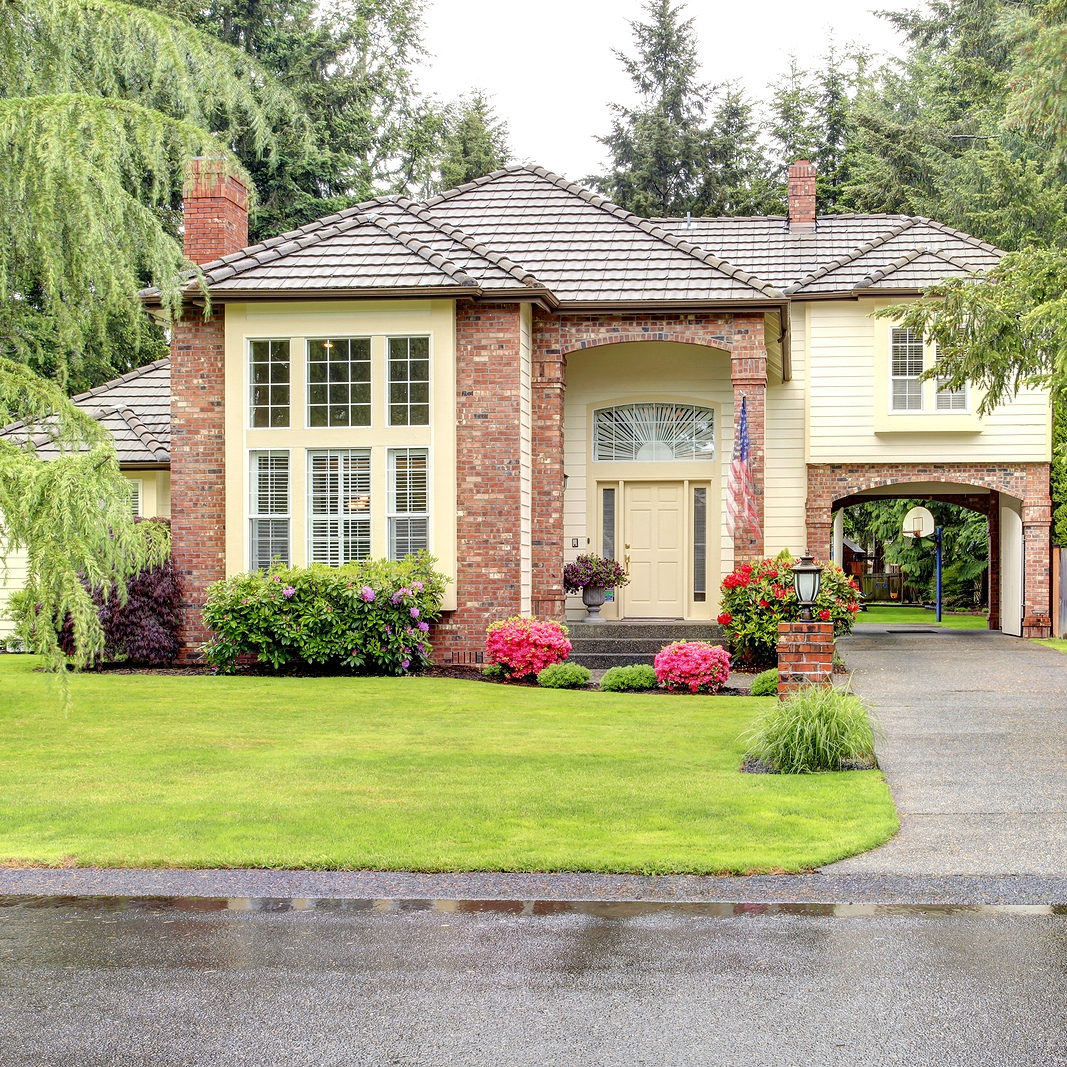
When embarking on a comprehensive interior design project, homeowners often dive straight into the exciting phases of selecting color palettes, arranging bespoke furniture, and curating lighting fixtures. However, the most breathtaking living room or gourmet kitchen can quickly deteriorate if the home's outer shell is compromised. A truly flawless interior requires a highly secure exterior envelope to protect it from the elements. Before you invest a significant amount of capital into exotic hardwood flooring, custom cabinetry, or imported wallpapers, it is often a critical prerequisite to consult a siding repair company to ensure your home's exterior defenses are completely watertight and structurally sound. Ignoring the exterior can lead to rapid moisture intrusion, thermal instability, and foundational shifts, which will silently destroy even the most meticulously planned and executed interior spaces.
The Invisible Foundation of Aesthetic Success
Interior design is not merely about decorating a space; it is about creating a holistic, functional environment that promotes well-being and stands the test of time. To achieve this longevity, the physical structure housing these aesthetics must perform optimally. The concept of the "building envelope" – the physical separator between the unconditioned and conditioned environment of a building – is just as crucial to an interior designer as it is to an architect.
When the building envelope fails, the interior environment becomes impossible to control. High-end textiles, fine art, and delicate antiques require stable environments. If an undetected exterior vulnerability allows the outside climate to dictate indoor conditions, your carefully curated interior will suffer from accelerated wear and tear. Therefore, true interior design excellence begins long before the first swatch of paint is selected; it begins with an uncompromising assessment of the property's exterior integrity.
How Exterior Breaches Destroy Interior Aesthetics
Understanding exactly how exterior neglect impacts interior design helps homeowners prioritize their renovation budgets effectively. The elements can wreak havoc on interior finishes in several distinct ways, transforming a dream space into a logistical nightmare.
Hardwood Flooring and Ambient Humidity
One of the most highly sought-after features in modern interior design is wide-plank hardwood flooring. Whether you prefer the rustic charm of reclaimed oak or the sleek finish of Brazilian cherry, wood is an organic material that constantly reacts to its environment. When exterior siding fails to block ambient moisture, indoor humidity levels can spike dramatically.
This excess moisture is absorbed by the hardwood, leading to "cupping" (where the edges of the planks rise higher than the center) or "crowning" (where the center swells higher than the edges). Over time, persistent moisture intrusion from poorly sealed walls or weeping foundations can cause the wood to buckle entirely, requiring a total and expensive replacement. Controlling indoor humidity through a sealed exterior is the only way to preserve the flat, flawless aesthetic of premium flooring.
Wall Coverings, Paint, and Plaster
The walls are the canvas upon which the entire room's design is built. Today's design trends often feature intricate wall treatments, including textured plasters, matte-finish luxury paints, and delicate, hand-painted wallpapers. Unfortunately, walls are also the first interior elements to show signs of exterior failure.
When water slowly seeps through compromised exterior cladding or flashing, it becomes trapped behind the drywall. This manifests inside as unsightly yellow or brown water stains, bubbling or blistering paint, and peeling wallpaper. Even worse, this damp, dark environment is the perfect breeding ground for mold and mildew. Mold not only poses a severe health hazard to occupants but also creates a musty odor that instantly ruins the ambiance of any beautifully designed room, regardless of the visual aesthetics.
4 Key Exterior Elements to Inspect Before Remodeling
To ensure your interior investments are fully protected, a comprehensive exterior audit is necessary. Before finalizing your interior design budget, allocate resources to inspect and potentially upgrade the following critical areas:
- The Siding and Cladding: This is your home's primary armor against wind, rain, and snow. Look for cracks, warping, rot, or missing panels. Ensuring the siding is in pristine condition stops moisture at the very first barrier, keeping your interior walls dry and structurally sound.
- Roof and Flashing Integrity: A leaking roof will eventually destroy ceilings, attic insulation, and upper-level drywall. Pay special attention to the flashing around chimneys, vents, and skylights, as these penetrations are the most common points of water entry.
- Windows and Fenestration: Windows are the bridge between the exterior and interior. Drafty, single-pane, or poorly sealed windows allow for thermal transfer and water leaks. Upgrading to energy-efficient glazing not only protects the interior from UV fading but also drastically improves the room's energy performance.
- Foundation and Drainage: Poor exterior drainage can lead to water pooling around the foundation, which eventually causes basement flooding and structural shifting. This shifting can lead to cracked interior plaster and drywall, ruining the seamless look of your walls.
The Role of the Building Envelope in Comfort and Ambiance
A successful interior design project addresses how a space feels just as much as how it looks. Thermal comfort is a massive component of that feeling. You can purchase the most luxurious, deep-seated velvet sofa on the market, but if it is placed next to a drafty wall or a poorly insulated exterior barrier, no one will want to sit there during the winter months.
Thermal Comfort and Spatial Planning
Interior designers often struggle with layout constraints dictated by poor thermal regulation. If the exterior walls lack proper insulation or wind-blocking capabilities, homeowners are forced to pull furniture away from the edges of the room to avoid drafts. This significantly limits spatial planning options and can make a room feel cramped or disjointed. By securing the exterior, the entire interior square footage becomes usable, comfortable space, allowing for optimal furniture placement and flow.
Blurring the Lines: Indoor-Outdoor Design Trends
Modern interior design is increasingly focused on the concept of "Biophilic Design" – an approach that seeks to connect building occupants more closely to nature. This often involves creating seamless transitions between indoor living areas and outdoor patios, decks, or gardens.
To execute this trend successfully, the exterior of the home must be treated with the same design reverence as the interior. The materials used on the exterior siding should visually complement the interior color palette to create a cohesive aesthetic journey from the driveway to the living room. Large, sliding glass doors or retractable walls only work if the exterior structure can support the engineering required to house them safely. The design language must speak fluently across the threshold, making exterior maintenance and aesthetic upkeep an integral part of the interior design master plan.