

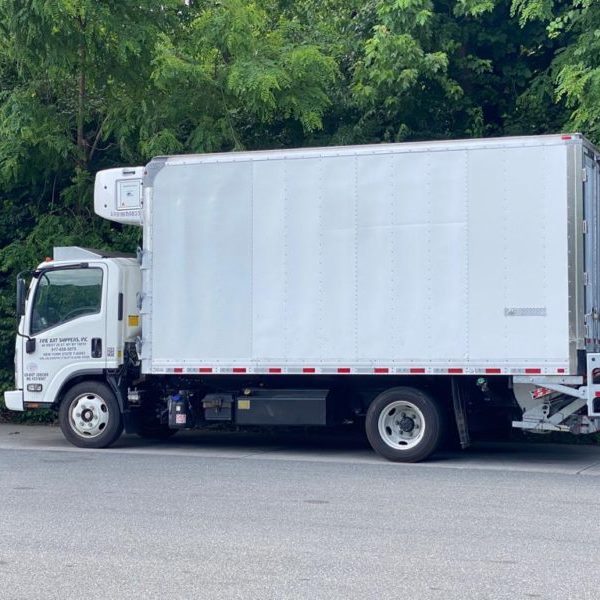
At the heart of secure art transport services lies the concept of rigorous climate control. The impact of external factors is often unnoticeable, but it triggers irreversible changes with far-reaching risks. Thus, every art transit happens in a carefully engineered microclimate created for art objects in line with their unique characteristics.
The Physics of Climate Risks
Preparation of art for transportation starts with a careful assessment of physical forces at play. Most art objects are composite structures with layers of canvas, ground, paint, wood, metal, or paper included in the creative artifact. Each element comes with its own hygroscopic and thermal properties that require attention and proper treatment. That’s why art shippers focus on RH as the main risk source, with packaging and shipping strategies planned with moisture exchange considerations in mind. Next comes the temperature element, which is a direct stressor for art and a catalyst of RH-related damage. Mechanical forces are also included in the safety equation, as vibration and shock are unavoidable in any transportation mode.
Passive Climate Control in Secure Art Transport Services
The commonly used approach in art shipping is the setup of passive buffering for artwork. It involves the use of hygroscopic materials that naturally absorb or release moisture depending on the dynamic RH changes in a sealed container. These systems are called passive because they require no power, produce no mechanical vibration, and have no failure modes. However, their capacity is limited to moderate fluctuation leveling. They can’t drive the container’s RH to a target value if the environment significantly deviates from the norm.
Active Climate Control Systems
When the degree of climate control offered by passive systems is insufficient, the provider of secure art transport services should consider active climate control setups. These are used for the most sensitive objects, long-distance transits, and transportation procedures conducted in extreme climate conditions (e.g., cold areas or high-humidity zones). Active climate control equipment represents powered conditioning, with refrigeration, dehumidification, heating, and humidification tools working in tandem to keep the internal microclimate at the target level regardless of external conditions.
When art travels by land, these climate control conditions are typically built into the design of an art truck. Such art shuttles usually have HVAC systems and climate tracking. If art travels by air, it is shipped in specialized climate containers, commonly referred to as passive or active Unit Load Devices (ULDs). They offer a stable microclimate in a sealed container, maintained throughout the entire transportation cycle.
This way, art shipping never takes place without proper regard to climate control. Environmental control engineering is the basis of safe transportation, especially in multi-leg or international shipments involving multiple parties.