

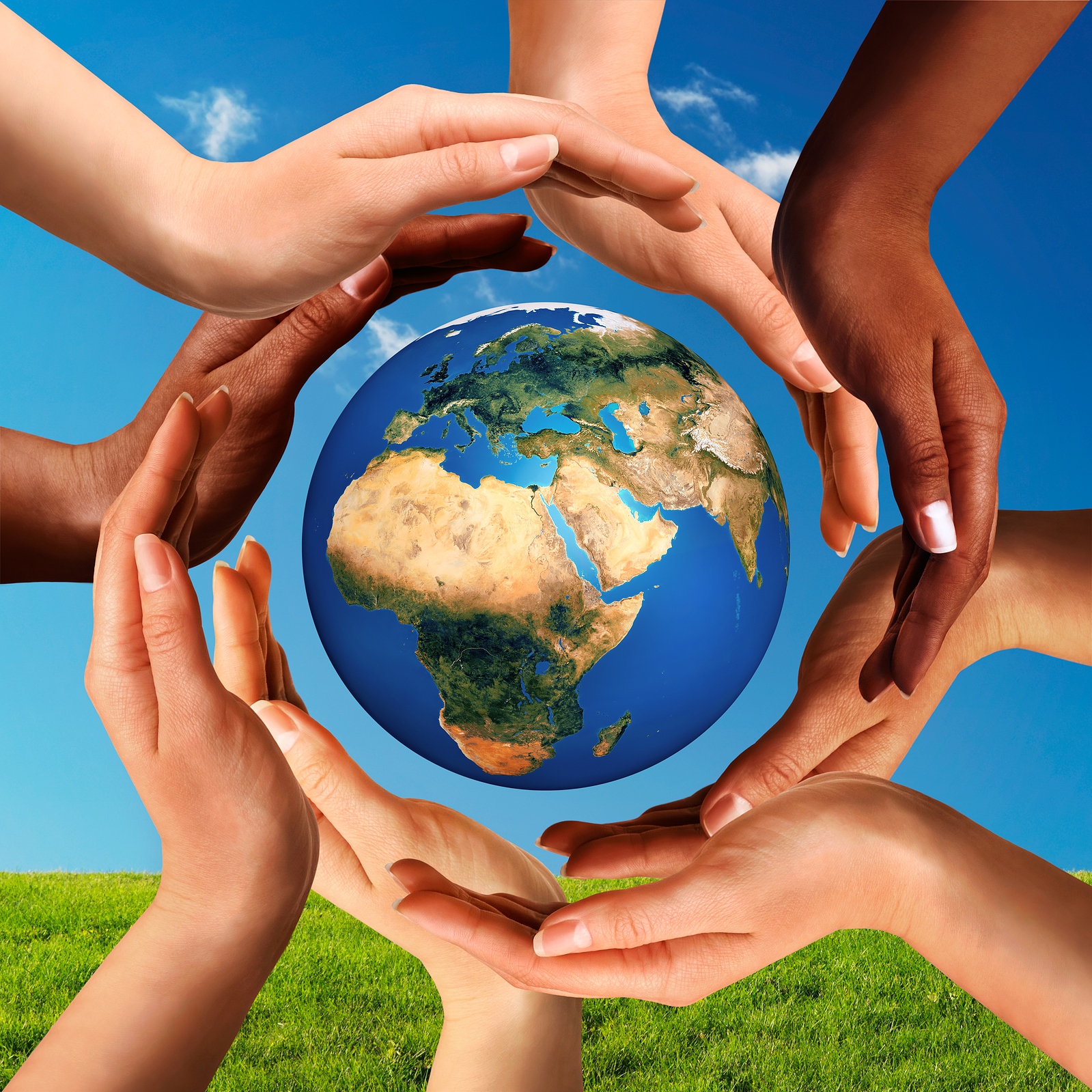
Culture is the invisible thread that connects people across generations. It shapes how we speak, celebrate, eat, dress, and understand the world. From ancient civilizations to modern digital societies, culture has always evolved alongside technology, trade, and migration. Today, in an era defined by global connectivity, cultural exchange happens faster than ever before. A traveler in Tokyo can livestream a festival to friends in London, while a student in Lahore can learn traditional dance from instructors in Rio de Janeiro.
This blending of local identity and global influence is redefining what culture means in the 21st century.
The Roots of Culture: Tradition and Heritage
At its core, culture reflects shared values, beliefs, customs, and artistic expressions. Ancient civilizations like the Indus Valley Civilization, Ancient Egypt, and Ancient Greece laid the foundations of architecture, governance, art, and philosophy that continue to influence modern societies.
Cultural heritage is often preserved through language, rituals, music, and storytelling. Festivals such as Diwali, Christmas, Eid, and Lunar New Year are more than celebrations—they are expressions of collective memory. Food traditions, too, carry history within recipes passed down through families. A simple dish can tell stories of migration, colonization, or trade routes that once connected distant lands.
While traditions provide stability and identity, culture is never static. It adapts to changing environments, political shifts, and technological advancements.
Globalization and Cultural Exchange
Globalization has accelerated cultural interaction. The rise of international tourism, global trade, and digital media has made cross-cultural exchange common. Music genres blend styles from multiple continents. Fashion designers incorporate indigenous patterns into contemporary collections. International film industries draw inspiration from global narratives.
For example, Korean pop culture has reached audiences worldwide through bands and dramas produced in Seoul, while Hollywood films influence storytelling trends across Asia and Europe. Social media platforms enable creators from small communities to reach global audiences instantly.
However, globalization also raises concerns about cultural homogenization—the fear that dominant cultures may overshadow local traditions. Preserving cultural identity while embracing global influence is one of the defining challenges of our time.
Technology as a Cultural Bridge
Technology plays a pivotal role in shaping modern culture. Smartphones, social platforms, and streaming services allow people to share experiences instantly. Virtual museum tours, online concerts, and international webinars make cultural participation more accessible.
Travelers, digital nomads, and students studying abroad often rely on tools that help them stay connected while exploring new cultures. Solutions like esim online services allow seamless connectivity across countries without changing physical SIM cards, making it easier to navigate foreign environments, translate languages, and share cultural experiences in real time.
This digital connectivity not only enhances convenience but also deepens cultural understanding. A traveler can research local customs before arriving, avoid misunderstandings, and engage more respectfully with communities.
Urban Culture and Cultural Hubs
Major cities act as cultural melting pots. Places like New York City, Paris, and Tokyo are known for their vibrant arts scenes, diverse populations, and historical landmarks. These urban centers bring together people from different backgrounds, creating hybrid cultures that blend traditions in innovative ways.
Street art, fusion cuisine, and multicultural festivals often originate in cities where diversity thrives. Cultural neighborhoods—such as Chinatowns, Little Italys, and immigrant districts—preserve heritage while adapting to new environments.
Urban culture also influences global trends. A fashion style born in one neighborhood can become an international phenomenon within weeks, thanks to digital sharing.
Language and Cultural Identity
Language is one of the strongest pillars of culture. It carries humor, idioms, and worldviews that cannot always be translated directly. When languages disappear, unique perspectives on life risk vanishing as well.
Efforts to preserve endangered languages have gained momentum, supported by digital tools and educational initiatives. Online platforms now offer courses in indigenous languages, helping younger generations reconnect with ancestral roots.
At the same time, global languages such as English, Spanish, and Mandarin facilitate cross-cultural communication. The challenge lies in balancing global communication with the protection of linguistic diversity.
Art, Music, and Cultural Expression
Art is a universal language that transcends borders. From Renaissance paintings in Florence to contemporary installations in Berlin, artistic expression reflects the spirit of its time. Institutions like UNESCO work to protect world heritage sites and intangible cultural traditions.
Music, in particular, demonstrates how culture evolves. Jazz emerged from African American communities and later influenced global genres. Hip-hop began as a local movement and became a worldwide cultural force. Digital streaming platforms now allow artists from small towns to reach international audiences, reshaping the global music landscape.
Similarly, film and literature offer windows into diverse societies. Watching foreign films or reading translated novels builds empathy and understanding, bridging cultural gaps.
Cultural Tourism and Responsible Exploration
Travel has long been a pathway to cultural discovery. Visiting historical landmarks, attending local festivals, and tasting regional cuisine provide immersive experiences. Iconic landmarks, such as the Eiffel Tower or the Great Wall of China, attract millions of visitors each year.
Yet, cultural tourism must be approached responsibly. Over-tourism can strain local resources and disrupt traditional ways of life. Travelers are increasingly encouraged to support local businesses, respect customs, and minimize environmental impact.
Digital tools assist in planning sustainable trips, understanding local etiquette, and maintaining communication abroad. As connectivity improves, travelers can make informed decisions that benefit host communities.
The Future of Culture in a Digital Age
Looking ahead, culture will continue to evolve alongside technology. Virtual reality may allow people to experience distant cultural festivals without leaving home. Artificial intelligence could help preserve endangered languages or recreate historical environments for educational purposes.
However, the heart of culture will remain human connection. Despite digital advances, shared meals, face-to-face conversations, and communal celebrations retain their emotional power.
The challenge for modern society is not choosing between tradition and innovation but integrating both. Cultural heritage must be protected while remaining open to change. Digital tools should enhance understanding, not replace authentic interaction.
Conclusion
Culture defines who we are and how we relate to others. It connects past, present, and future through shared experiences and evolving traditions. In a globally connected world, technology serves as both a catalyst and a bridge, enabling deeper cross-cultural engagement.
From ancient civilizations to modern smart cities, culture continues to adapt and flourish. As we explore new places, learn new languages, and interact across borders, we participate in an ongoing story of human creativity and resilience. By embracing both heritage and innovation, we ensure that culture remains vibrant, diverse, and meaningful for generations to come.