

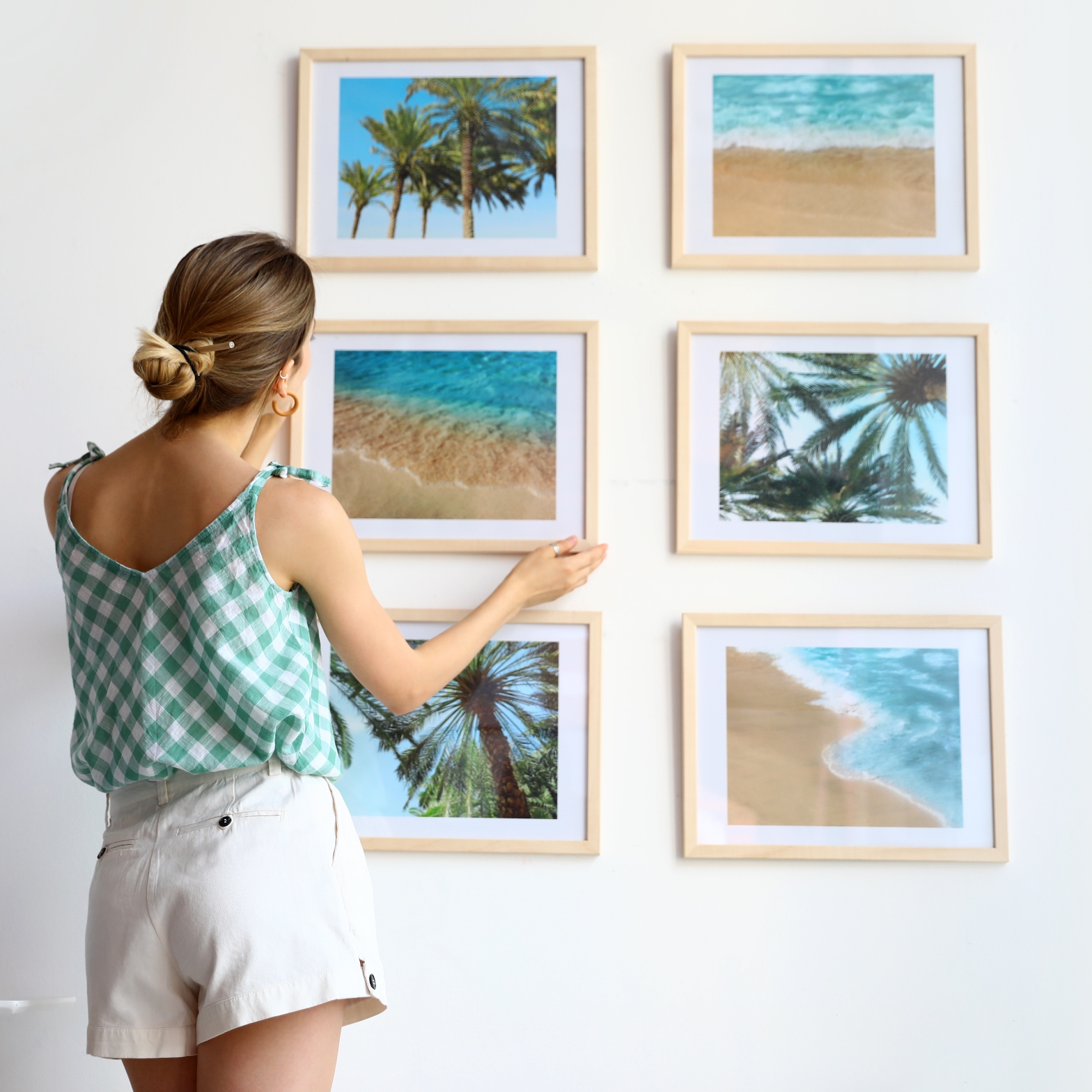
Artwork rarely exists in isolation. The wall behind it, the lighting around it, and the amount of space surrounding it all influence how the piece is perceived.
That matters both at home and in galleries. A strong work can lose impact if it is crowded by furniture or competing decoration, while a modest piece can become much more striking when the setting gives it room to breathe.
Creating the right environment is therefore less about making the room impressive and more about supporting the art. The best spaces direct attention without feeling forced.
Wall Color Changes the Way Art Is Read
The color behind a piece can alter contrast, mood, and even the apparent intensity of the artwork itself.
White remains popular because it is neutral, but it is not always the most interesting choice. A darker or more saturated wall can help certain works feel more grounded, especially when the artwork contains lighter tones or strong graphic shapes.
Someone exploring wall treatments through https://paintedpaper.com/ might consider blue as a backdrop because it can range from quiet and atmospheric to bold and dramatic, depending on the shade.
The important thing is to test the relationship rather than choosing the wall color separately from the art.
Lighting Should Reveal, Not Overpower
Lighting is one of the most important parts of displaying art well.
Too little light can flatten detail, while overly harsh lighting may create glare or make the work feel disconnected from the rest of the room.
Directional lighting can help focus attention without illuminating the entire space equally.
At home, adjustable lamps or ceiling spots offer flexibility if artwork changes over time. In galleries, more controlled systems make it easier to light each piece according to size, surface, and material.
Natural light can be beautiful, but it should be managed carefully, especially for works that may be sensitive to prolonged exposure.
The goal is clarity rather than spectacle.
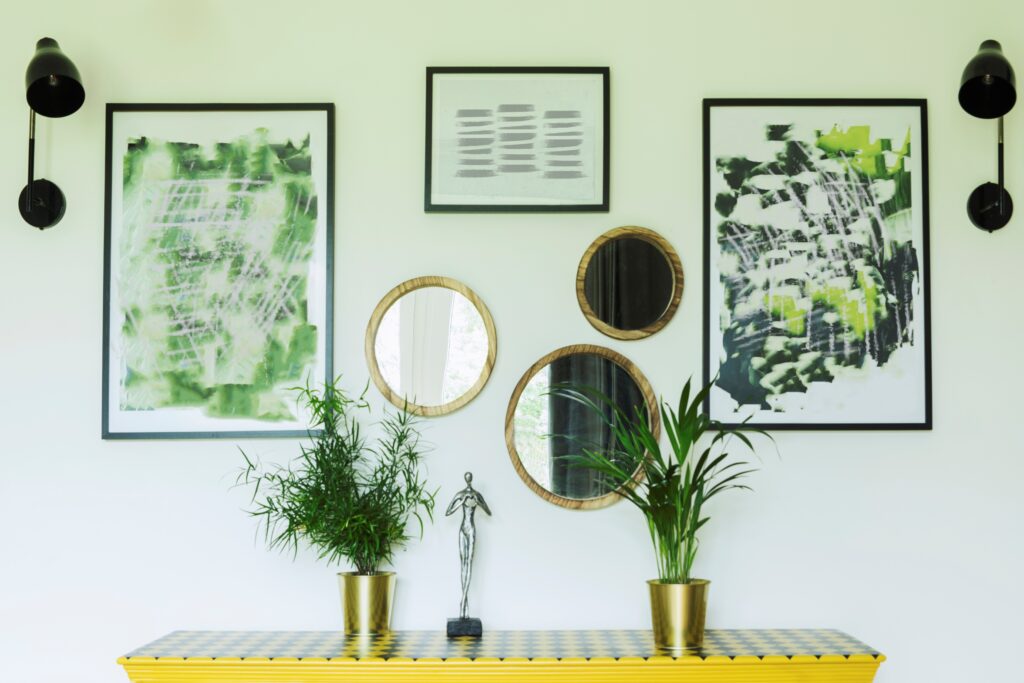
Give Each Piece Enough Space
Crowding can weaken even strong artwork.
When too many pieces are placed close together without a clear structure, the eye has difficulty deciding where to focus. That can make an expensive collection feel less considered.
Spacing creates hierarchy.
A large work may need an entire wall, while smaller pieces can be grouped more closely if there is a clear relationship between them.
Negative space is part of the display.
Leaving areas empty gives each piece a stronger presence and makes the room feel calmer.
This applies equally to galleries and homes. The instinct to fill every available wall usually creates more visual noise than impact.
Think About the Viewing Distance
Art needs to be seen from the right distance.
A large painting can feel overwhelming in a narrow hallway, while a small detailed work may disappear across a large living room.
The room should therefore shape the placement.
Consider where people naturally stand, sit, or move through the space. A piece above a sofa is viewed differently from one at the end of a corridor or beside a staircase.
Height matters too.
Artwork is often hung too high, which disconnects it from the furniture and from the viewer. Keeping the visual center closer to normal eye level usually creates a more natural relationship.
Let Furniture Support the Art
Furniture should frame the artwork rather than compete with it.
A console table beneath a large piece can create visual balance, while a simple bench in a gallery may encourage people to spend more time looking.
The strongest combinations usually share some connection in scale, color, or material without becoming overly coordinated.
If the art is bold, quieter furniture can help.
If the artwork is minimal, a more textured or sculptural piece of furniture may add enough contrast to make the whole arrangement feel intentional.
The aim is not to match everything. It is to create a relationship where each element strengthens the others.
Change the Setting When the Art Changes
A room should not become permanently fixed around one arrangement.
Artwork may move, collections grow, and personal taste changes over time. The best spaces are flexible enough to adapt without requiring a full redesign.
That might mean changing a wall color, adjusting lighting, or simply moving one piece to a different room.
Rotating artwork can also make familiar pieces feel new again.
A work seen every day eventually becomes part of the background. Moving it to another location changes the viewing distance, surrounding colors, and relationship with other objects.
That small shift can completely alter how the piece is experienced.