

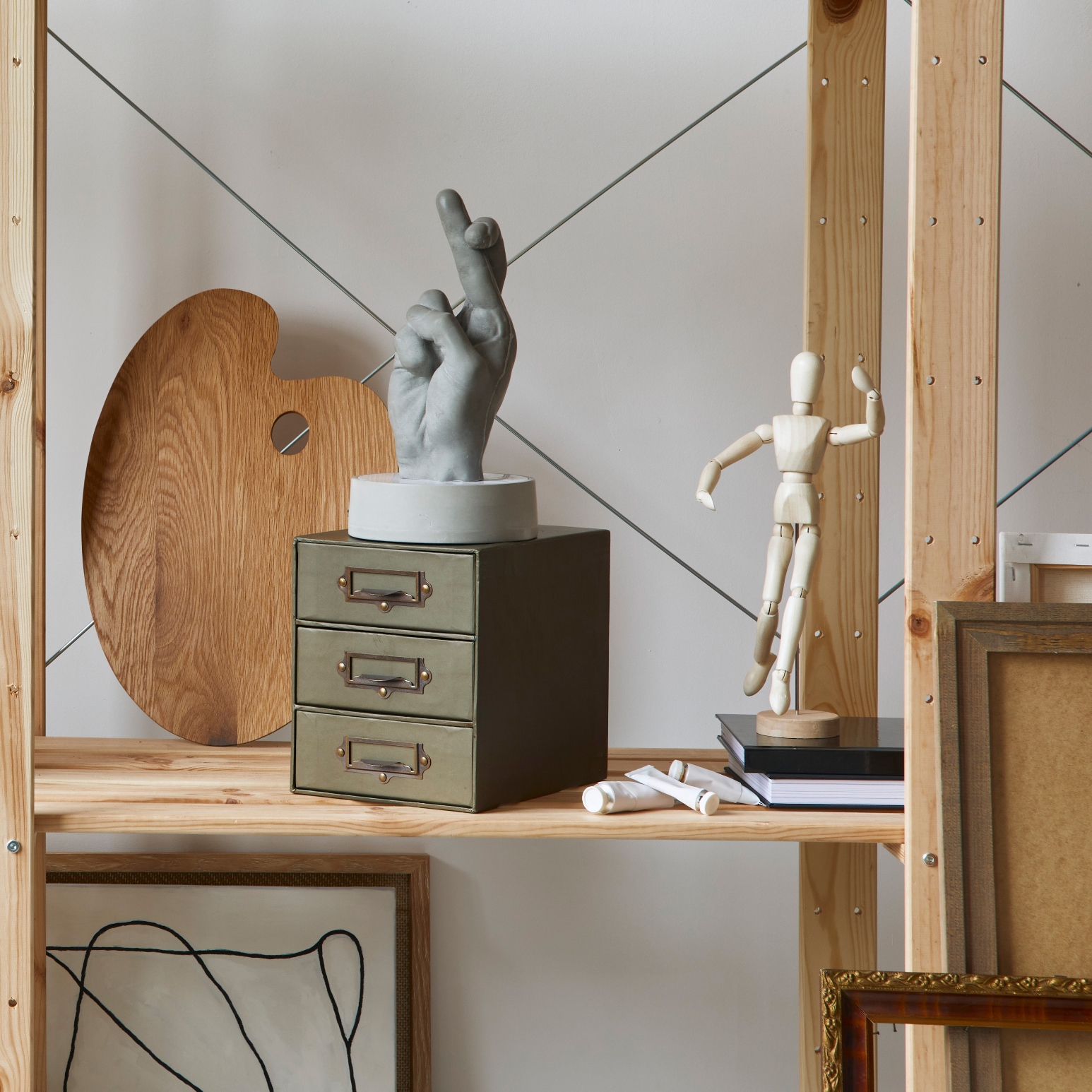
When art collectors think about art vault storage, in most cases, they imagine one large, cool, and secure room. In reality, a well-run storage facility looks more like a hospital with several wards. An oil painting, a vintage photograph, and a bronze sculpture have different vulnerabilities and require distinct storage conditions for long-term preservation. Let’s explore art-specific vault needs.
The Golden Rule: Stability First
Before considering the individual materials your artwork is made of, make sure your storage vault provider can maintain stable internal conditions. Regardless of the material and artwork type, abrupt and significant changes in temperature and relative humidity can cause damage over time. Thus, stability should be your number one priority.
Art Vault Storage for Paintings
The microclimate of painting storage is geared toward protecting the layers and support. That’s why commonly recommended storage conditions are moderate, stable relative humidity of around 45–55% and temperatures of approximately 64–70°F. Framed works can hang on sliding mesh tracks, which helps prevent contact and allows air to circulate around them.
Paper-Based Art: Safe Storage Principles
Paper-based art storage prioritizes protection from light, pollutants, and excessive humidity. Paper can yellow and weaken under prolonged exposure to light, while high humidity increases the risk of mold. Vaults store these artworks in darkness, typically in flat files or archival boxes lined with acid-free materials. Stable, moderately dry conditions help reduce the risk of mold and other moisture-related damage.
Photographs: Cold Storage Needs
Photographs can degrade chemically, with some color prints and film particularly vulnerable to fading and other forms of deterioration. Dyes can fade even in darkness, while cooler storage can slow some chemical reactions. That’s why specialized facilities may offer dedicated cold or cool, low-humidity storage for sensitive photography collections.
Safe Storage for Textiles
Tapestries, costumes, and quilts can distort under their own weight if they hang for a long time. Vault storage of such art objects is usually arranged in a flat or rolled form on padded tubes. The objects can be interleaved with acid-free tissue when rolled. Textiles may attract moths and carpet beetles, so robust pest management is essential.
Do Sculptures Need a Vault?
Stone and ceramic sculptures can tolerate a relatively wide range of environmental conditions, but their main vulnerabilities in storage are tipping, impact, and inadequate support. They are typically stored on padded pallets or custom mounts. Metal works may require lower relative humidity to reduce the risk of corrosion.
To choose the right art vault storage, evaluate the provider and ask how they monitor and report environmental conditions in their vaults. It’s also vital to check whether they can provide suitable conditions for particularly sensitive pieces.