

A troubling pattern that many art shipping and storage experts note is that art owners, along with investing tons of money in their art collections, neglect the basics of safe storage. Acquiring a precious art object is only the beginning of your lifetime journey of care, attention to detail, and conservation-grade storage. Let’s take a closer look at art storage mistakes collectors make and discuss safe alternatives.
Top 3 Art Storage Mistakes Collectors Make Every Day
An art object that has survived centuries can become exposed to discreet but irreversible damage in improper storage conditions. Here are the top 3 art storage mistakes collectors make without even realizing it.
#1 Ignoring Climate Control
If we had to advise on one core storage rule, we would definitely choose climate control. The stability of environmental conditions, such as temperature and humidity, is at the heart of art conservation. Therefore, you should always keep the temperature within the 60–70°F range, with not more than 5°F fluctuations within a 24-hour period. The golden standard for humidity is 45-55%.
#2 Storage in Inappropriate Spaces
Many art owners choose empty attics or basements to store art out of display. However, these places are the worst possible choices for art storage, even under the conditions of its proper packaging. Basements are prone to flooding and have higher dampness compared to the general home space, increasing the risk of mold development in art. Attics are subject to extreme temperature swings, which cause micro-fractures and stress in the artwork’s compositional materials. Thus, each of these spaces is unable to offer a climate-controlled environment for art storage, unless you’re ready to invest heavily in specialized equipment.
#3 Storing Artwork without Proper Support
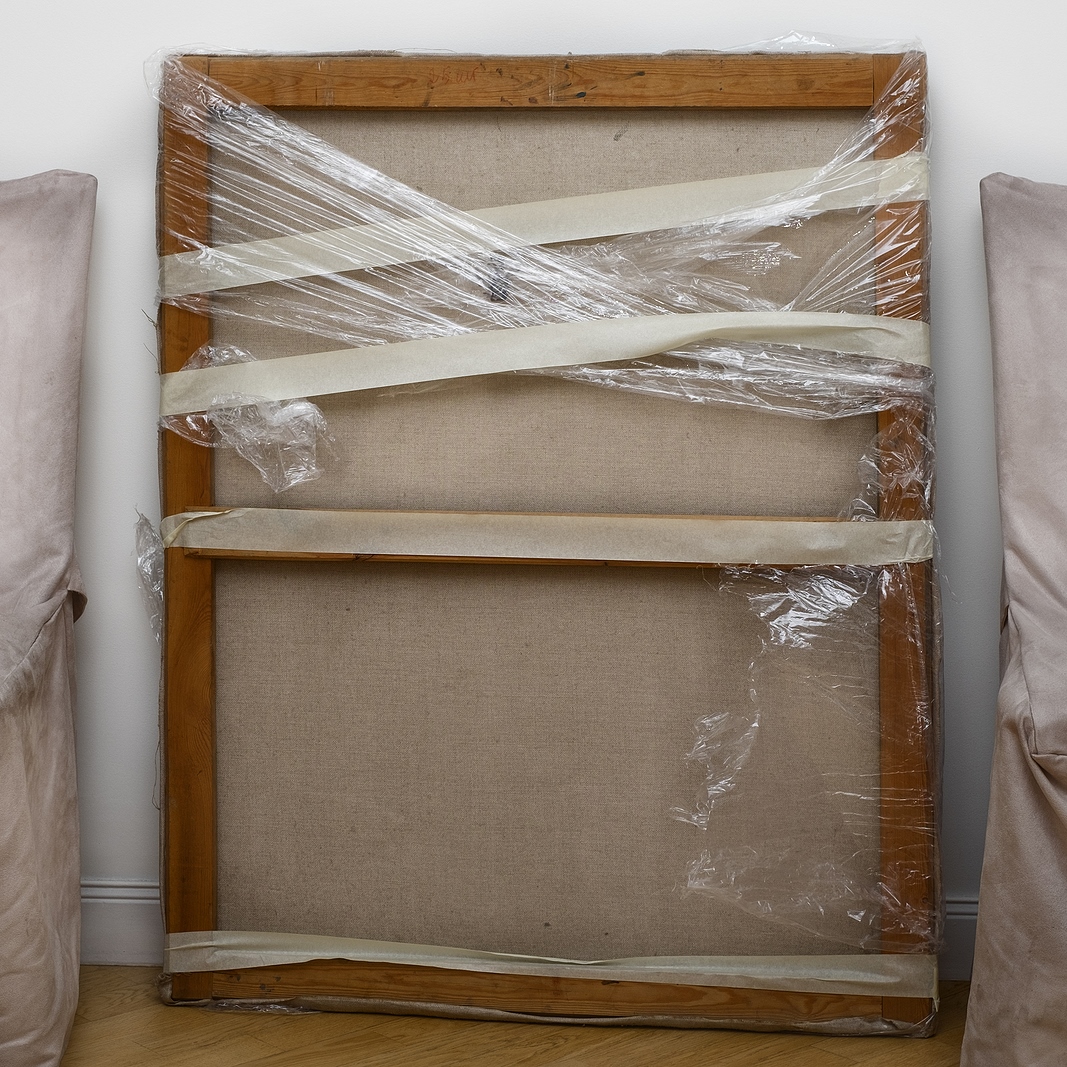
Physical positioning of art during storage also matters a lot to its integrity. The gravest mistake an art owner can make is leaning an unprotected framed painting against a bare wall, no matter how short-term it is. The nature of damage comes from the pressure that the canvas corner experiences under its own weight, which leads to canvas denting or the distortion of the canvas material.
Avoid Damage by Using Professional Guidance
Neglecting any of the risks discussed above may expose your new acquisition to avoidable damage. That’s why your wise decision is to consult experts before organizing a DIY storage space or choosing the location of artwork display. Your conservation mindset and safety-first approach to art management are your investment in the art assets’ integrity and longevity for generations.