

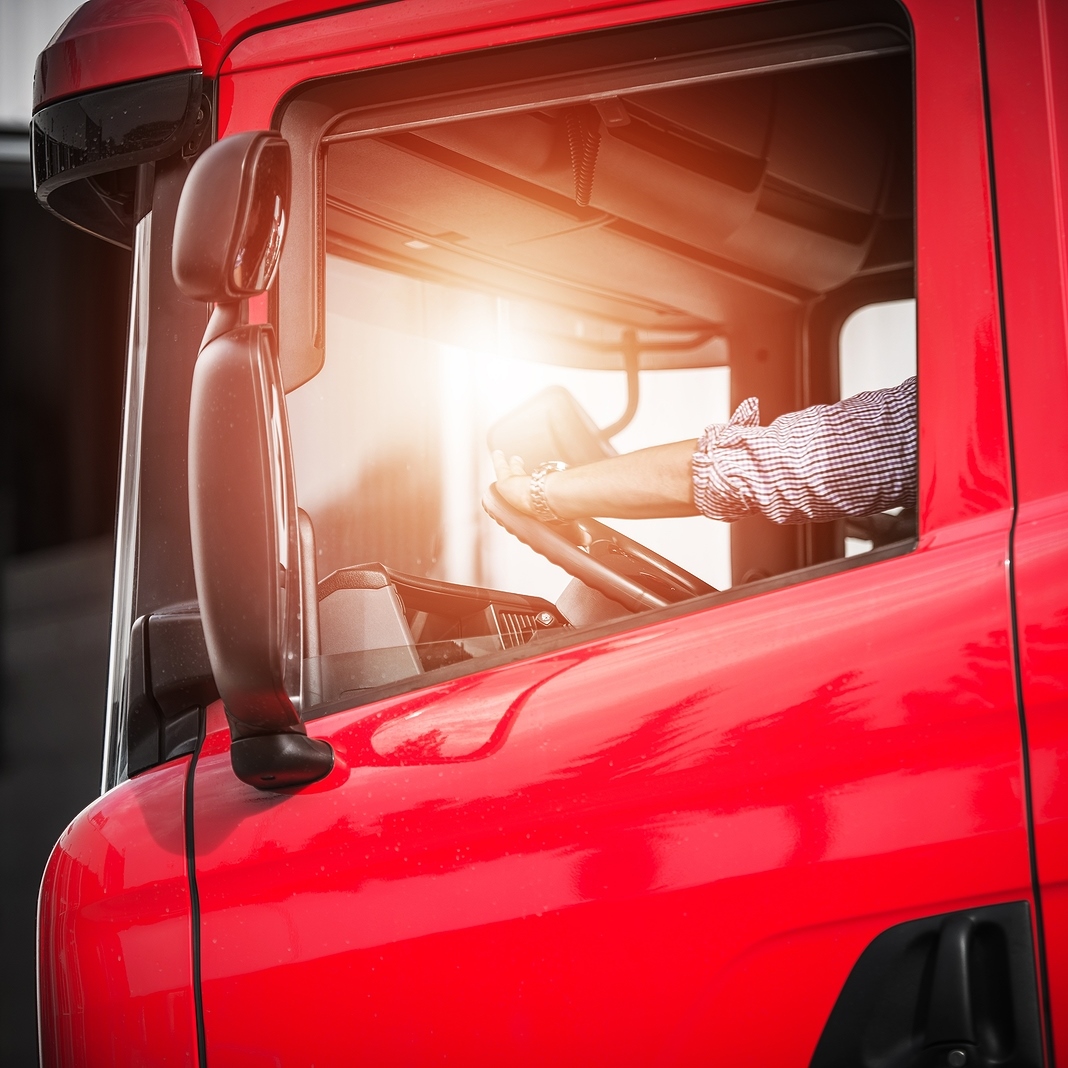
Professional transportation is the lifeblood of the global economy, moving essential goods and passengers across vast distances every day. Operating heavy machinery on public roads requires a level of skill that goes far beyond standard driving abilities. This specialization ensures that the highest safety standards are met by every operator.
The process of becoming a professional driver involves rigorous training and testing to prove competency in various conditions. Drivers must master the physics of large vehicles while navigating through complex urban and rural environments. This dedication to excellence is a hallmark of the industry and a vital part of community safety.
To maintain order on the highways, the government has established specific standards for those seeking to enter the field. Obtaining a commercial driver's license requires a commitment to ongoing education and health. This system ensures that only qualified individuals handle the largest and most complex machines on the road today.
Understanding Class A Requirements
Class A represents the top tier of professional driving and allows for the operation of the heaviest vehicle combinations. This classification is primarily focused on tractor-trailers where the towed unit has a gross weight exceeding ten thousand pounds. It is the gold standard for long-haul logistics and heavy transport.
Drivers in this category must master the art of coupling and uncoupling trailers while managing the unique dynamics of a pivot point. The increased length and weight of these rigs require a high degree of situational awareness during turns and backing maneuvers. This skill set is essential for the movement of massive freight.
Training for this class involves learning about air brake systems and the specific laws governing interstate commerce and weight limits. It is a demanding path that offers significant opportunities for those who can handle the responsibility. Mastering these heavy-duty combinations is the first step toward a successful career.
Class B and Single Vehicle Operations
Class B is designed for operators of large single vehicles that do not involve the complexity of heavy towing. This classification covers a wide range of essential machines, including large straight trucks, city buses, and specialized delivery vehicles. These operators play a vital role in local commerce and public transit systems.
While these vehicles are large, they do not have the same pivot points as tractor-trailers, making them slightly easier to maneuver in traffic. However, they still require specialized knowledge of air brakes and height clearances to avoid accidents on urban streets. Safety remains the primary concern for every professional driver today.
This category is often the choice for those who prefer to stay within a local region rather than traveling across several states. It provides a stable and rewarding career path with a focus on community service and local logistics. Class B drivers ensure that our cities stay moving and well supplied.
Class C and Specialized Small Transport
Class C covers specialized small transport vehicles that fall outside the heavier weight categories but still require professional oversight. This classification is often required for drivers who transport hazardous materials or operate vehicles designed to carry sixteen or more passengers. It is a vital and serious part of the transit system.
The focus in this category is often on the specific nature of the cargo or the safety of the passengers on board. Drivers must undergo additional background checks and training to handle sensitive materials or vulnerable groups like students. This oversight ensures that the highest level of security is maintained.
While the vehicles may be smaller, the legal and professional responsibilities of the operator are just as significant as those in higher classes. Following the rules and maintaining a clean record is essential for anyone working in this field. Class C provides the necessary bridge for specialized and safe transport.
The Role of Endorsements
Endorsements are additional certifications that can be added to a professional license to increase its versatility and value. These specialized markings allow a driver to operate specific types of equipment like tank vehicles, doubles, or triples. They represent a higher level of training and expertise in the field.
For example, the hazardous materials endorsement requires a thorough background check and a specialized knowledge test to ensure the driver is prepared. School bus endorsements also demand a high level of scrutiny to protect the children being transported daily. Each addition opens new doors for professional growth and success.
By gathering multiple endorsements, a driver can adapt to the changing needs of the market and secure more profitable opportunities. It shows a commitment to lifelong learning and a desire to be the most capable professional on the road. Endorsements are the key to a very diverse career.
Maintaining Compliance and Safety Standards
Remaining eligible to operate a large vehicle requires a constant commitment to physical health and legal compliance over the long term. Drivers must pass regular medical examinations to ensure they are fit to handle the physical demands of the job. This oversight protects both the operator and the public.
Background checks are also conducted periodically to verify that the driver maintains a clean record and follows all safety regulations. Any serious traffic violations or legal issues can result in the temporary or permanent loss of professional credentials. Consistency is the foundation of a successful and very safe career.
The goal of these strict standards is to ensure that our highways remain a safe environment for every single family and traveler. By following the rules and staying healthy, professional drivers provide a valuable service that keeps our world moving. Maintaining a commercial driver's license is a badge of honor and responsibility.