

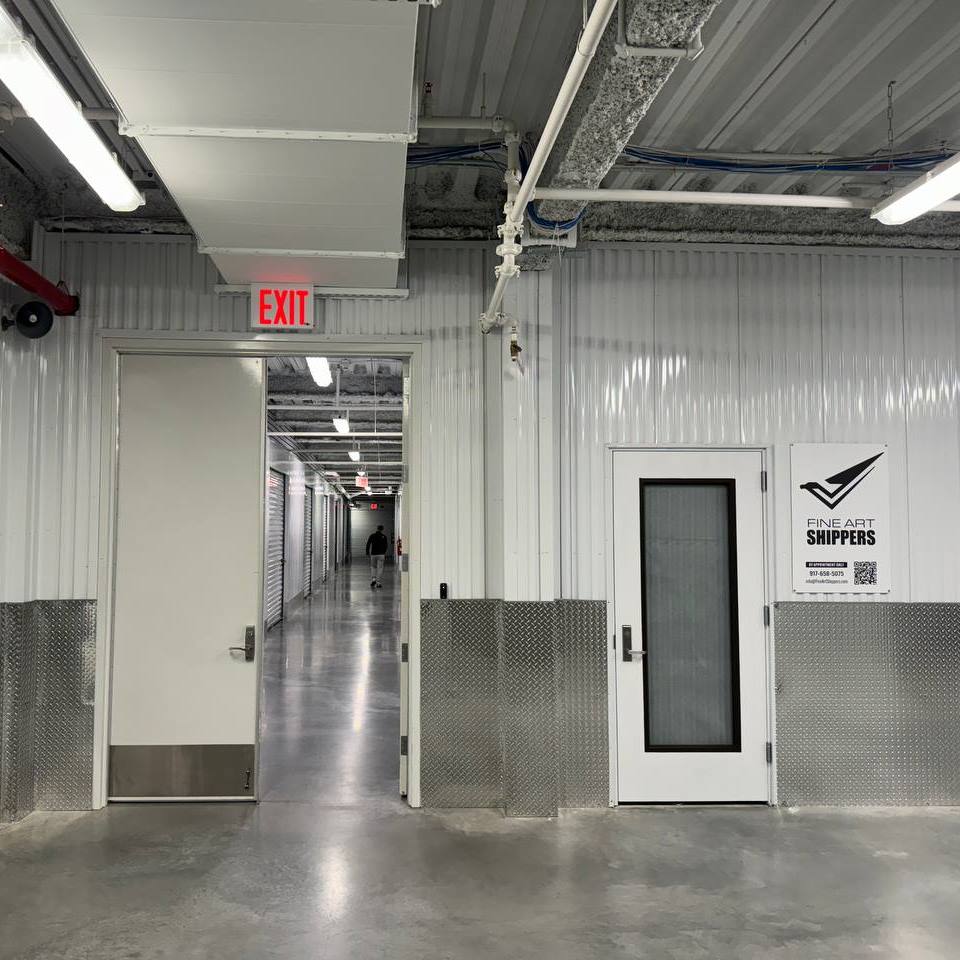
While many imagine an art storage facility as a conservation and asset preservation place, its role expands far beyond long-term art custody. Many art owners and specialized carriers rely on fine art storage solutions as collection management hubs. This way, they organize inventory control and efficient cataloguing while preserving access to art objects and facilitating their viewing by interested buyers. Read on to learn about the role of art storage in collection management.
Inventory Control
Effective inventory control is at the heart of fine art storage. Such facilities use a combination of digital asset management systems, object-level tracking technology, and robust documentation protocols to guarantee tight control over each art item in storage. Barcode systems and RFID are often used for quick object retrieval. Integrated collection management software also ensures real-time tracking for every art item, with automated alerts on location changes and synchronization of object-specific documents.
Access and Viewing Infrastructure
Storage facilities also operate as controlled presentation environments, where private viewing rooms are organized for potential buyers. These rooms replicate gallery-grade conditions with neutral wall finishes and often adjustable light to optimize the viewing experience and present the art object in the best light. Climate control systems guarantee stable temperature and humidity inside viewing rooms, ensuring that sensitive artwork is not subject to hazardous impacts. This way, storage facilities evolve into providers of related services, including confidential art transactions, advisory reviews, and pre-sale inspections.
Fine Art Storage as Support for Lending and Circulation of Art
Finally, art storage can also act as a place favoring curatorial access for art research and valuation. Museums and art foundations assign experts who can visit storage spaces and study artwork for provenance research purposes. Professionals get access to historical condition reports and can complete safe examinations of artwork using specialized equipment, tables, and instruments.
Storage facilities are often used as a place of safe, controlled unpacking of art arriving from a distant location under the supervision of trained art handlers. This service is popular among art owners cautious about their own ability to stabilize the artwork in a new environment or wishing to have an intermediary present during unpacking for insurance purposes.
Each of these purposes aligns with the broadening role of art storage facilities in the global fine art logistics industry. Acting as logistical intermediaries, art storage takes on more responsibilities for the management and supervision of art, offering a safe environment for a variety of related activities.