

When individuals embark on the journey of relocating to a brand-new home, redesigning their living spaces, or coordinating complex residential logistics, they frequently overlook one of the most vital components of the property: the plumbing system.
A household's water supply, drainage networks, and fixture layouts play a critical and foundational role in daily operations. Just as strategic IT consulting optimizes enterprise digital infrastructure, meticulous planning ensures that plumbing systems handle every household transition, architectural upgrade, and logistical challenge seamlessly. Without proper foresight, simple oversights can quickly transform into costly emergencies.
Plumbing Considerations During Home Moving and Relocation
Moving day is universally recognized as one of life's most stressful events, and encountering unexpected plumbing issues can easily throw an entire moving schedule into complete disarray. When transitioning between properties, homeowners often focus entirely on packing boxes, coordinating removalists, and updating utility bills, leaving the plumbing infrastructure entirely uninspected until it is too late.
Thorough pre-move inspections are essential. Homeowners or prospective buyers should meticulously check shut-off valves, water meters, and drainage lines before unpacking a single box. A seized main water shut-off valve can become catastrophic in the event of an emergency leak.
Furthermore, appliance hookups require absolute precision. Major appliances such as washing machines, refrigerators with ice makers, and dishwashers demand expert disconnection and reconnection. Improperly secured supply hoses or worn-out rubber gaskets frequently lead to sudden flooding, ruining newly placed flooring and belongings within minutes. Taking the time to evaluate these elements prior to settling in prevents unnecessary turmoil.
Integrating Plumbing into Modern Interior Design and Architecture
Historically, interior design standards dictated that all plumbing elements—pipes, valves, and traps—must remain entirely concealed behind drywall or cabinetry. However, modern architectural and interior design trends have radically shifted this perspective. Contemporary homes increasingly embrace exposed copper piping, statement-making fixtures, and minimalist layouts that expertly blend raw form with high-performance function.
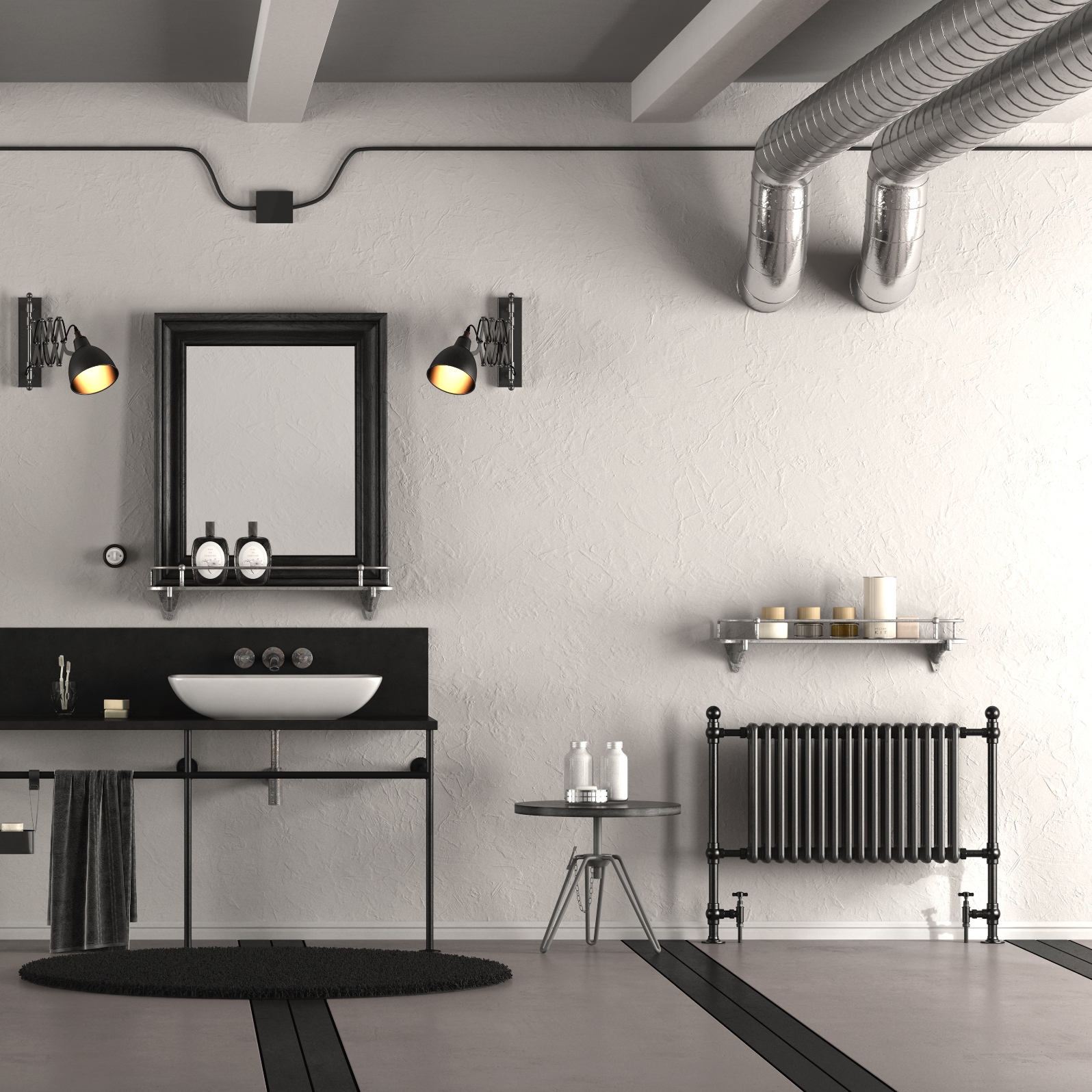
For instance, industrial-style interior design often features exposed matte black or brushed brass pipes, turning functional water lines into striking visual art that adds a raw, modern, and edgy character to kitchens and bathrooms. Conversely, minimalist designs lean heavily toward concealed plumbing paired with sleek, wall-mounted taps and spouts, creating exceptionally clean lines and seamless, unbroken surfaces that promote tranquility and ease of cleaning.
Meanwhile, classic luxury styles utilize grand, freestanding bathtubs and sculptural statement vanities as sophisticated focal points that command attention. By treating plumbing fixtures as active design elements rather than hidden necessities, designers can achieve a harmonious balance between aesthetic appeal and structural practicality.
Logistics and Supply Chain Management in Plumbing Renovations
Coordinating a major bathroom, laundry, or kitchen renovation requires rigorous logistical oversight and supply chain discipline. Much like managing complex enterprise IT systems and deployment timelines, timing the procurement and delivery of specialty pipes, custom fixtures, designer tapware, and specialized valves is critical to preventing devastating and costly delays on-site.
A successful plumbing renovation relies on several core logistical pillars:
- Early Procurement: Homeowners and project managers must source long-lead specialty items weeks or even months in advance to avoid project bottlenecks caused by global shipping delays or stock shortages.
- Sequencing Trades: Coordinating various contractors—including licensed plumbers, electricians, plasterers, and tilers—requires a strict, logical sequence. A plumber must rough in the valves before the walls are closed, while tilers must finish waterproofing before the final fixtures are mounted.
- Temporary Infrastructure: Ensuring that temporary water access and functional sanitation remain available throughout major home overhauls is vital for maintaining livability during extended construction periods.
When logistics fail, project budgets balloon, deadlines stretch out indefinitely, and the entire renovation experience becomes unnecessarily frustrating.
Long-Term Maintenance and Professional Expertise
Ultimately, a home's plumbing infrastructure requires ongoing attention long after the moving boxes are unpacked and the renovations are finished. Seasonal changes, particularly winter drops in temperature or intense summer demand, place fluctuating stress on pipes, hot water systems, and drainage networks. Establishing proactive habits—such as clearing drain guards, monitoring water heater pressure relief valves, and insulating exposed pipes—guards against unexpected failures.
However, there is a clear boundary where do-it-yourself efforts must end, and professional intervention must begin. Recurring slow drains, unexplained spikes in water bills, rumbling hot water tanks, or any work involving gas lines demand certified expertise. For expert advice and professional assistance, individuals in Melbourne, Australia, can always rely on the experienced team at Endpoint Plumbing to keep their systems running smoothly through every phase of the home journey. By combining thoughtful moving strategies, innovative interior design, disciplined logistical planning, and professional plumbing maintenance, homeowners can ensure their living spaces remain safe, efficient, and comfortable for years to come.