

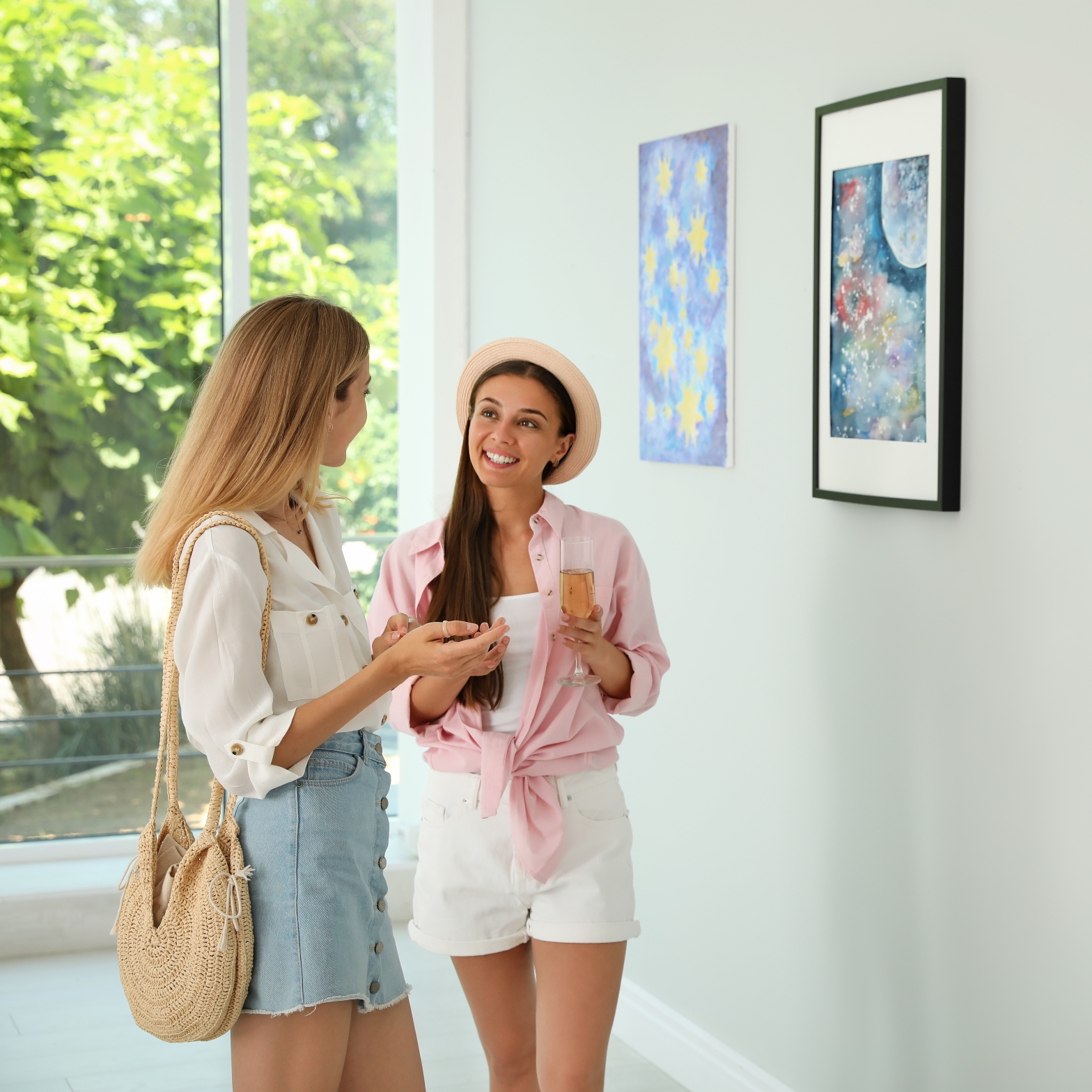
Artwork can completely change the character of a room.
A blank wall can suddenly become a focal point. A quiet corner can feel more interesting. Even a fairly ordinary space can gain some personality when the right painting, photograph, or sculpture is introduced.
But choosing the artwork is only part of the process.
Where and how it is installed can make just as much difference. A piece that looks perfect in a gallery might need a completely different approach in a busy office, restaurant, or home.
Every Space Has Its Own Requirements
There is no single formula for installing artwork.
A large painting may work beautifully above a sofa, while a collection of smaller prints could suit a hallway better. A sculpture needs enough surrounding space to be appreciated, whereas wall art can sometimes work in tighter areas.
The room itself also matters.
Before installing anything, it helps to look at the wall, available space, lighting, and furniture. What is directly below the artwork? Will people walk past it regularly? Is there enough room to view it comfortably?
These may sound like small questions. They are not.
Homes Need a Personal Touch
Artwork in a home is usually chosen for personal reasons.
Maybe it is a family photograph. Perhaps it is a painting picked up during a holiday. Sometimes, it is simply something that caught the owner's eye.
Because of this, installation should complement the way the room is actually used.
A large piece above a dining table can create a strong focal point, while smaller artwork may work better along a staircase or in a bedroom. Height is also worth considering. Artwork that is positioned too high can feel disconnected from the rest of the room.
There is no need to follow a rigid rule if the space suggests something different.
The goal is for it to feel natural.
Offices Benefit from Thoughtful Placement
Artwork can also influence the atmosphere of a workplace.
A reception area, for example, is often the first part of a business that visitors see. A carefully chosen piece can make an otherwise plain entrance feel more welcoming.
Meeting rooms may benefit from something understated, while larger open areas can accommodate bigger artwork or several pieces displayed together.
Businesses should also think about practicality. Artwork installed in a busy walkway needs to be secure. Pieces placed near desks or equipment should not interfere with everyday activity. Nobody wants an impressive painting becoming an obstacle every time someone walks through the room.
Retail and Service Businesses Have Different Needs
Shops, salons, and other customer-facing businesses often use artwork to reinforce the personality of their space.
Consider a barber shop. The furniture, mirrors, lighting, and wall decorations all contribute to the overall experience. Vintage photographs might suit one business, while contemporary prints could work better somewhere with a modern interior.
Even a small detail can change the feel of the room.
For businesses offering local barber services in Cardiff, for example, carefully selected artwork can help create an environment that feels relaxed and distinctive without taking attention away from the service itself.
The artwork becomes part of the surroundings rather than an afterthought.
Galleries Require Precision
Gallery installations are usually more demanding.
Several pieces may need to be displayed together, which means spacing and alignment become particularly important. One frame positioned slightly higher than the others can make an entire arrangement look uneven.
Lighting also needs attention. Different works can require different levels of illumination, and reflective glass can create unwanted glare. The positioning of each piece may therefore need to be considered alongside the lighting already present in the room.
There is often little room for guesswork.
Heavy Artwork Needs the Right Support
One of the most practical considerations is weight.
Not every wall can safely support every type of artwork. A heavy frame may require stronger fixings, while certain walls may need specialist installation methods.
This is especially relevant for large paintings, mirrors, and sculptures.
Trying to save a little time by using an unsuitable fixing can create a much bigger problem later. At best, the artwork could sit incorrectly. At worst, it could fall and become damaged.
Proper preparation is worth it.
Lighting Can Change Everything
Natural and artificial light can have a surprisingly strong effect on artwork.
A painting placed opposite a bright window may suffer from reflections, making certain details difficult to see. Strong sunlight can also be a concern for some materials over long periods.
Before deciding on the final position, look at how the room changes throughout the day.
Morning light can be very different from afternoon light. That simple observation can prevent an otherwise attractive installation from becoming frustrating.
Think About the Whole Space
Good artwork installation is not just about getting something securely onto a wall. It is about understanding the space around it.
The best position may depend on furniture, movement, lighting, wall structure, and the purpose of the room. A family home, office, hotel, gallery, and customer-facing business will all have different priorities.
Taking those differences seriously makes the final result feel considered rather than accidental. And that is really the practical side of installing artwork. The technical work matters, certainly, but so does understanding how people interact with the space. When both are handled properly, the artwork does more than fill an empty wall. It becomes part of the room.