

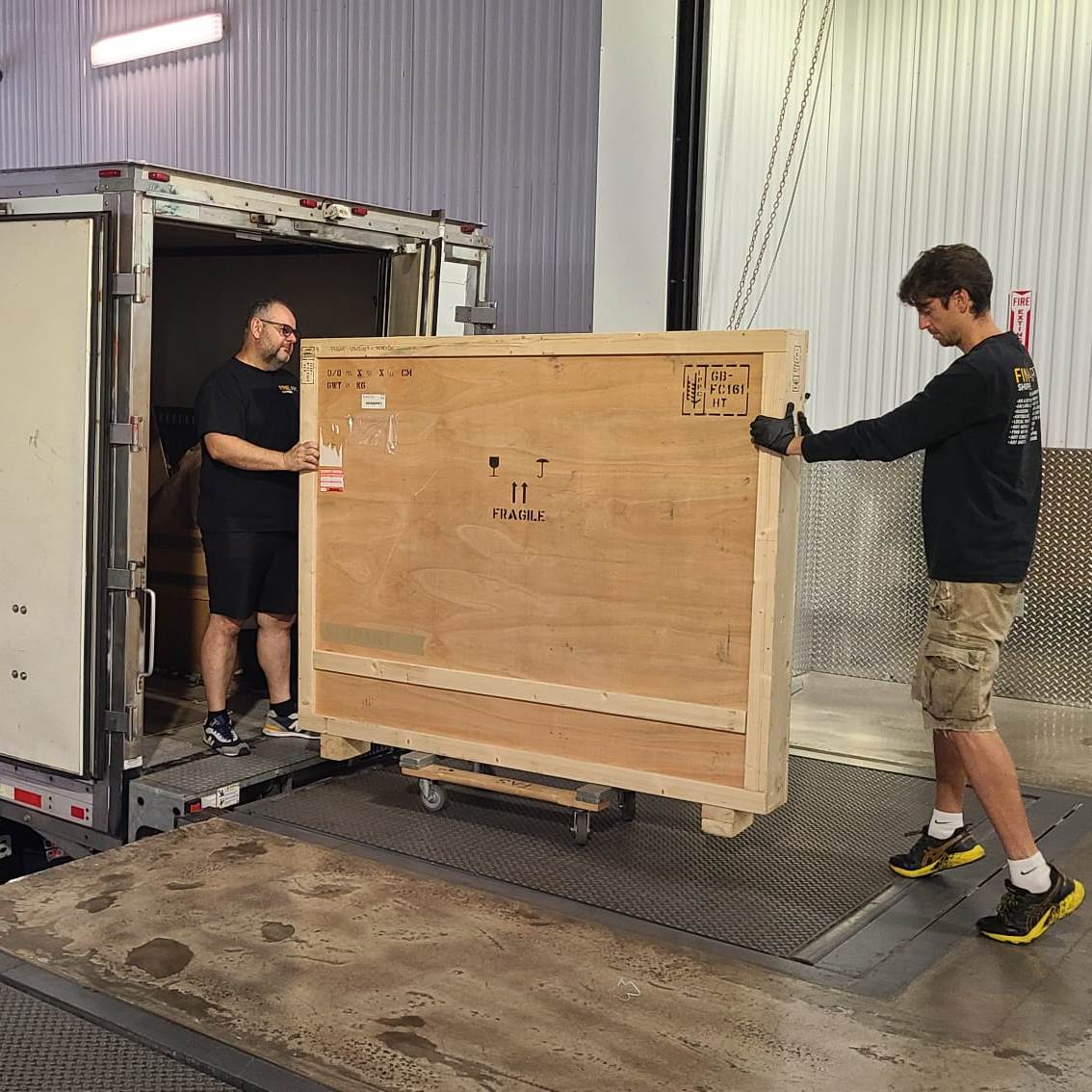
Museums operate huge art collections and face the need to ensure continuous movement of art without safety sacrifices. Art objects arrive and leave after temporary exhibitions; museums exchange artwork with other art institutions. These complex art logistics require safe, professional solutions that mostly relate to choosing the right museum art transport. Let’s take a look at several cases to illustrate how transportation is adjusted for museum shipments of different types.
Matching Museum Art Transport to Artwork Type
Effective museum logistics rely on comprehensive art crating, professional handling protocols, and carefully chosen vehicle equipment. The shipping strategy is developed in line with the artwork’s physical and chemical vulnerabilities, age, condition, and dimensions. In this regard, one can think of museum art transport as an extension of preventive conservation efforts.
Case #1: Shipping an Old Master
Old Master paintings are vulnerable to vibration, humidity fluctuations, puncture, and surface abrasion. They may also suffer from a temperature shock under the slightest microclimate deviations. That’s why museums take care of custom crating, with shock-absorbing foam and vibration-dampening mounts included in crate design. Microclimate enclosures are used for high-value artwork shipping, with precision climate control and air-ride suspension in the vehicle. Museum transport may also have interior wall track systems that guarantee locking and stabilization of the crates during transportation.
Case #2: Shipping an Egyptian Mummy
Mummies are prone to biological degradation, mold growth, structural breakage, and desiccation risks during transportation. That’s why vehicles in which they are shipped must have robust climate control systems, HEPA air filters for contamination prevention, low-light or dark interiors for minimal UV exposure, and shock and tilt sensors that can help carriers detect handling anomalies early.
Case #3: Shipping an Antique Statue
Things are slightly different with antique statue transportation. Shipping risks unique to this art type include torsional stress, weight shifts, and surface chipping. That’s why vehicles should have heavy-duty load-rated floors and anchor points to ensure safe sculpture relocation. They must be equipped with hydraulic lift gates or crane interfaces that allow vertical loading. Air ride suspension is also vital for sculpture safety.
As you can see, there is no universal museum transportation vehicle since different art objects require different safety precautions. While some treat art transportation as a fixed concept with a standard list of equipment requirements, the reality is far from that. Museum shipping is less a logistics effort than a conservation-grade process targeting the preservation of the global art legacy.