

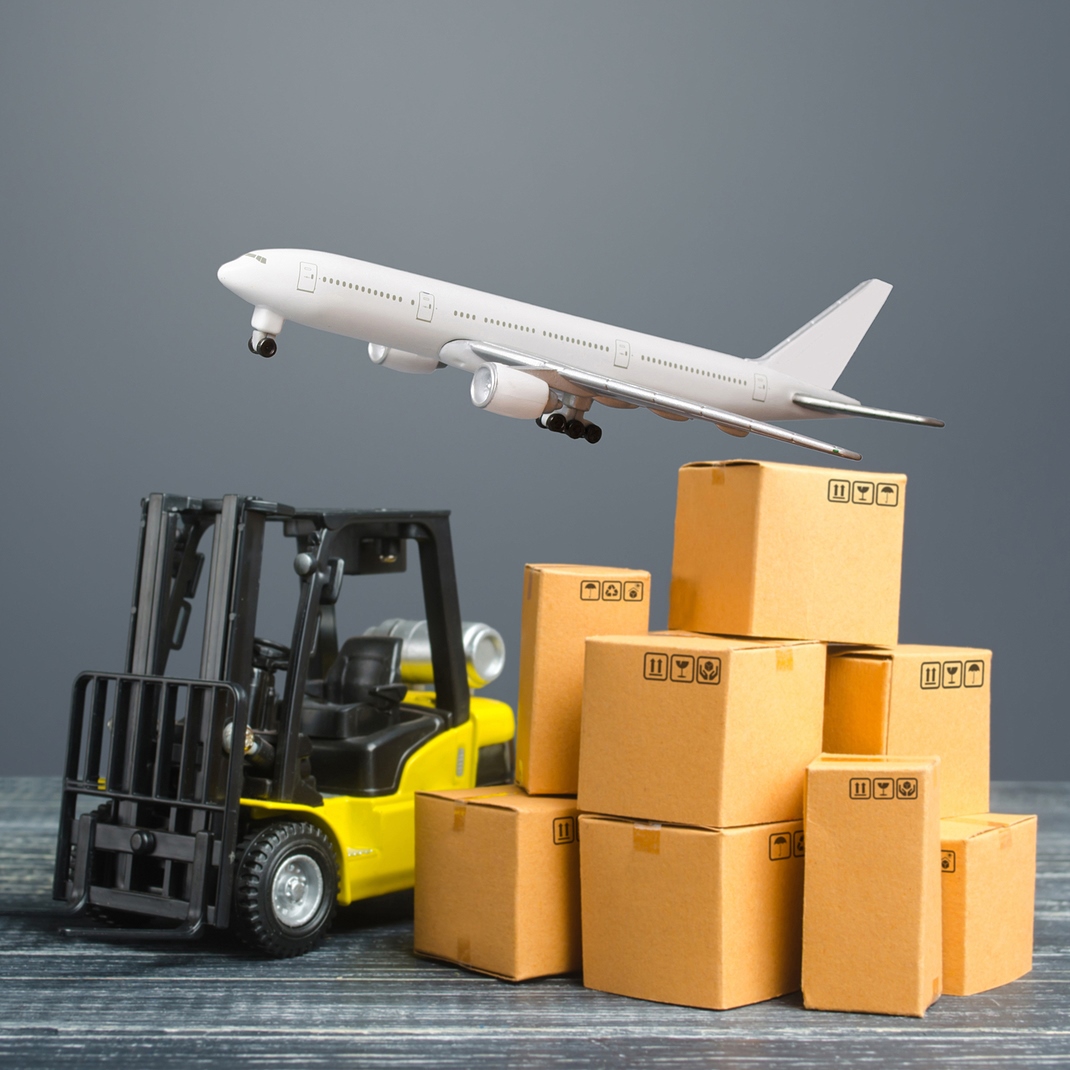
Freight transportation is a core part of modern commerce. Manufacturers need raw materials to arrive on schedule. Retailers need inventory in the right quantities. Distributors need predictable delivery windows. When transportation fails, the problem can affect production, customer service, inventory levels, and cash flow.
Reliability is more than getting a shipment from one location to another. It means creating a transportation process that performs consistently under changing conditions. Businesses need carriers, routes, documentation, tracking systems, and contingency plans that work together.
Why Freight Reliability Matters
A reliable freight network gives businesses greater control over operations. If a shipment arrives late, a factory may have to slow production while waiting for components. A retailer can face empty shelves. A construction project may lose working time because equipment or materials are still in transit.
These problems become more serious when companies operate on tight inventory schedules. Just-in-time purchasing reduces storage costs, but it also leaves less room for transportation failures. A missed pickup or unexpected delay can quickly affect several stages of the supply chain.
Businesses should evaluate freight providers based on more than price. Important factors include:
- Carrier availability and performance
- Transit-time consistency
- Shipment visibility and tracking
- Communication during disruptions
- Documentation and compliance
- Ability to provide alternative transportation
A lower freight rate has limited value if poor execution creates additional costs elsewhere.
Choosing the Right Transportation Method
Different freight requires different transportation strategies. A standard truckload shipment may be ideal for large quantities moving between distribution points. LTL can make more sense for smaller shipments that do not require an entire trailer.
Air freight has a different role. It is useful when speed matters more than transportation cost. High-value products, urgent replacement parts, medical supplies, and time-sensitive goods may justify the higher expense.
Businesses that need this type of service can work with an experienced air freight broker. A broker can coordinate carriers, routing, documentation, and shipment tracking while helping the shipper select an appropriate transportation solution.
The objective is not always to choose the fastest method. It is to find the best balance of speed, cost, capacity, security, and reliability for a particular shipment.
Visibility Is Part of Reliability
A shipment cannot be managed effectively when its location and status are unknown. Tracking technology has therefore become an important part of freight management.
Real-time visibility allows logistics teams to identify problems before they become larger failures. If a truck is delayed, the receiving team can adjust labor schedules. If a shipment misses a connection, another transportation option may be arranged before the delivery deadline is missed.
Visibility also improves communication with customers. Instead of waiting for a delivery failure, businesses can provide accurate updates and manage expectations.
Transportation disruptions remain a significant concern. A 2025 State of Transportation Report found that 44% of respondents expected supply chain shortages to affect transportation, while another 44% identified extreme climate events as a likely disruption.
Reliable transportation does not eliminate these risks. It gives businesses better tools for responding to them.
Freight Planning Requires Flexibility
Transportation networks rarely operate under perfect conditions. Weather, port congestion, equipment shortages, road closures, labor issues, and sudden demand changes can affect planned routes.
Strong freight management accounts for these variables before a shipment moves. A logistics team may identify alternative carriers, secondary routes, different transportation modes, or revised delivery windows.
Multimodal transportation can be useful for complex supply chains. Freight may move by truck before transferring to rail, ocean, or air transportation. Each transfer introduces another coordination point, so documentation and scheduling must remain accurate.
A dependable freight strategy should also define what happens when the original plan fails. Contingency planning reduces reaction time and limits the impact of disruptions.
Protecting Freight During Transit
Transportation reliability also includes cargo condition. A shipment that arrives on time but is damaged is not a successful delivery.
Packaging, loading procedures, equipment selection, and handling requirements all affect cargo safety. Heavy or oversized freight may require specialized equipment. Fragile goods may need additional protection. Temperature-sensitive products may require controlled environments.
Cargo identification can also support warehouse and transportation workflows. Clear labels and organizational markings make it easier for employees to identify equipment, inventory, and shipment groups. For companies using branded uniforms or work gear, custom patches can provide a practical way to identify teams and departments.
The physical movement of freight is only one part of the process. Every handling stage should be considered when designing a transportation plan.
Building a More Dependable Freight Network
Reliable freight transportation starts with realistic planning. Businesses should understand their shipment requirements, establish measurable service expectations, and select transportation modes based on the characteristics of their cargo.
Carrier relationships also matter. A dependable provider should communicate clearly, maintain appropriate capacity, and respond quickly when conditions change. Technology adds another layer by giving logistics teams visibility into shipment progress.
The strongest freight strategies are built for both normal operations and disruption. They combine suitable transportation methods, experienced coordination, cargo protection, tracking, and contingency planning.
For businesses that depend on physical goods moving efficiently, transportation reliability is not simply a logistics concern. It is an operational advantage. Consistent freight performance helps companies maintain production schedules, control inventory, protect customer relationships, and respond faster when supply chain conditions change.